
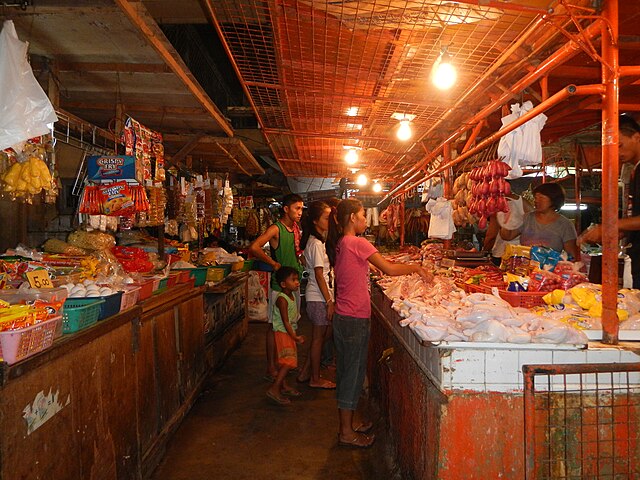
MANILA, Philippines — Filipino consumers will continue to bear the brunt of rising commodity prices after the country’s headline inflation rate climbed to 2.5 percent in November, the Philippine Statistics Authority (PSA) said Thursday.
During a press briefing, Philippine Statistician Claire Dennis Mapa announced that the country’s overall inflation rate rose to 2.5 percent in November, up from 2.3 percent recorded in October.
Mapa also said that from January to November, the average inflation rate in the Philippines stood at 3.2 percent. This is lower than the 4.1 percent inflation recorded in November 2023.
The rise in inflation in November was mainly due to faster price increases in food and non-alcoholic beverages, which went up by 3.4 percent compared to 2.9 percent in October.
Transport costs also contributed, with a smaller yearly decrease of 1.2 percent in November, compared to a 2.1 percent drop in October.
In November, several commodity groups saw slightly higher price increases compared to October. Alcoholic beverages and tobacco rose to 3.1 percent from 3 percent, furnishings and household items increased to 2.7 percent from 2.4 percent, and personal care along with other goods and services went up to 2.9 percent from 2.8 percent.
The PSA likewise noted that some commodity groups saw slower price increases in November. Inflation for clothing and footwear dropped to 2.6 percent from 2.7 percent, housing and utilities fell to 1.9 percent from 2.4 percent, and recreation, sports, and culture decreased to 2.4 percent from 2.6 percent.
Food inflation
The statistics bureau said that although the national food inflation increased to 3.5 percent in November 2024, which is up from 3 percent in October, it was still lower compared to the 5.8 percent. recorded in November 2023.
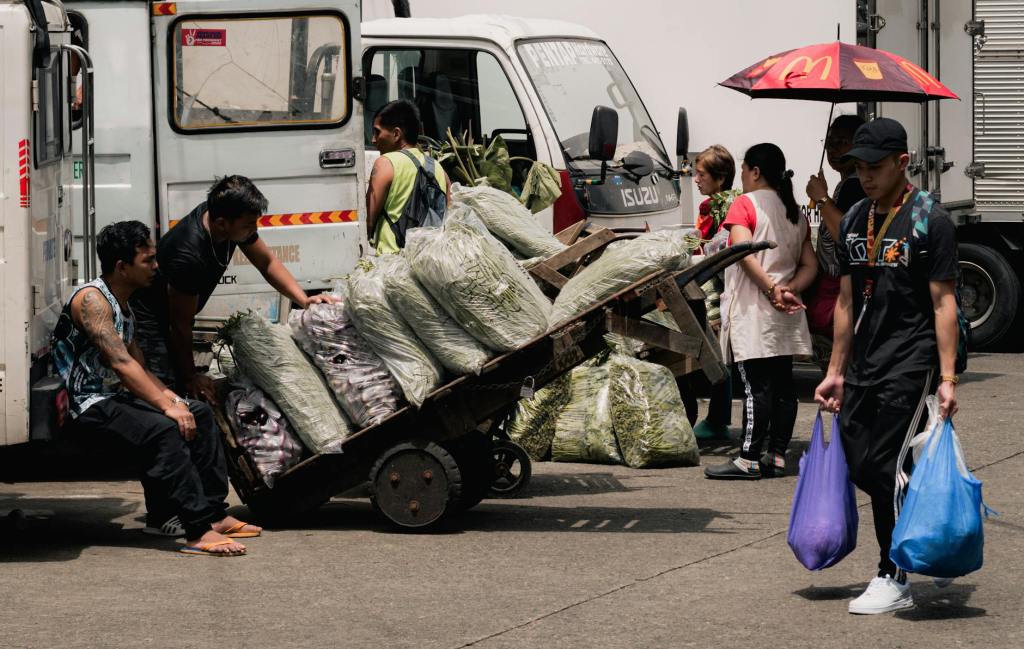
In its December report, food inflation in November rose mainly due to a sharp turnaround in vegetable prices, which increased by 5.9 percent after a 9.2 percent drop in October. Fish and seafood prices also contributed, growing by 0.4 percent after declining by 0.4 percent the previous month.
Meat prices grew faster at 3.9 percent compared to 3.6 percent in October, while oils and fats saw a slight rise of 0.2 percent, recovering from a 0.4 percent decline in the prior month, it said.
Inflation in Metro Manila
Inflation in the National Capital Region (NCR) increased to 2.2 percent in November, up from 1.4 percent in October. This is still significantly lower than the 4.2 percent inflation recorded in November 2023, the PSA said.
The main factor behind the rise according to the agency was the higher price increase in food and non-alcoholic beverages, which grew by 4.3 percent in November compared to 2.2 percent in October. Other contributors included a faster annual increase in housing, utilities, and fuel prices, which rose by 1.5 percent from 1.1 percent the previous month, and a smaller decline in transport costs, which dropped by 1.8 percent compared to a 2.9 percent decrease in October.
For areas outside the NCR (AONCR), its inflation rate remained steady at 2.6 percent in November, unchanged from the rate recorded in October.
Compared to October 2024, five regions in AONCR saw higher inflation rates in November. Region II (Cagayan Valley) had the highest inflation rate at 3.4 percent, while Region XII (SOCCSKSARGEN), Caraga, and the Bangsamoro Autonomous Region in Muslim Mindanao each recorded the lowest inflation rate at 1.7 percent.

 Republika News
Leave a comment