
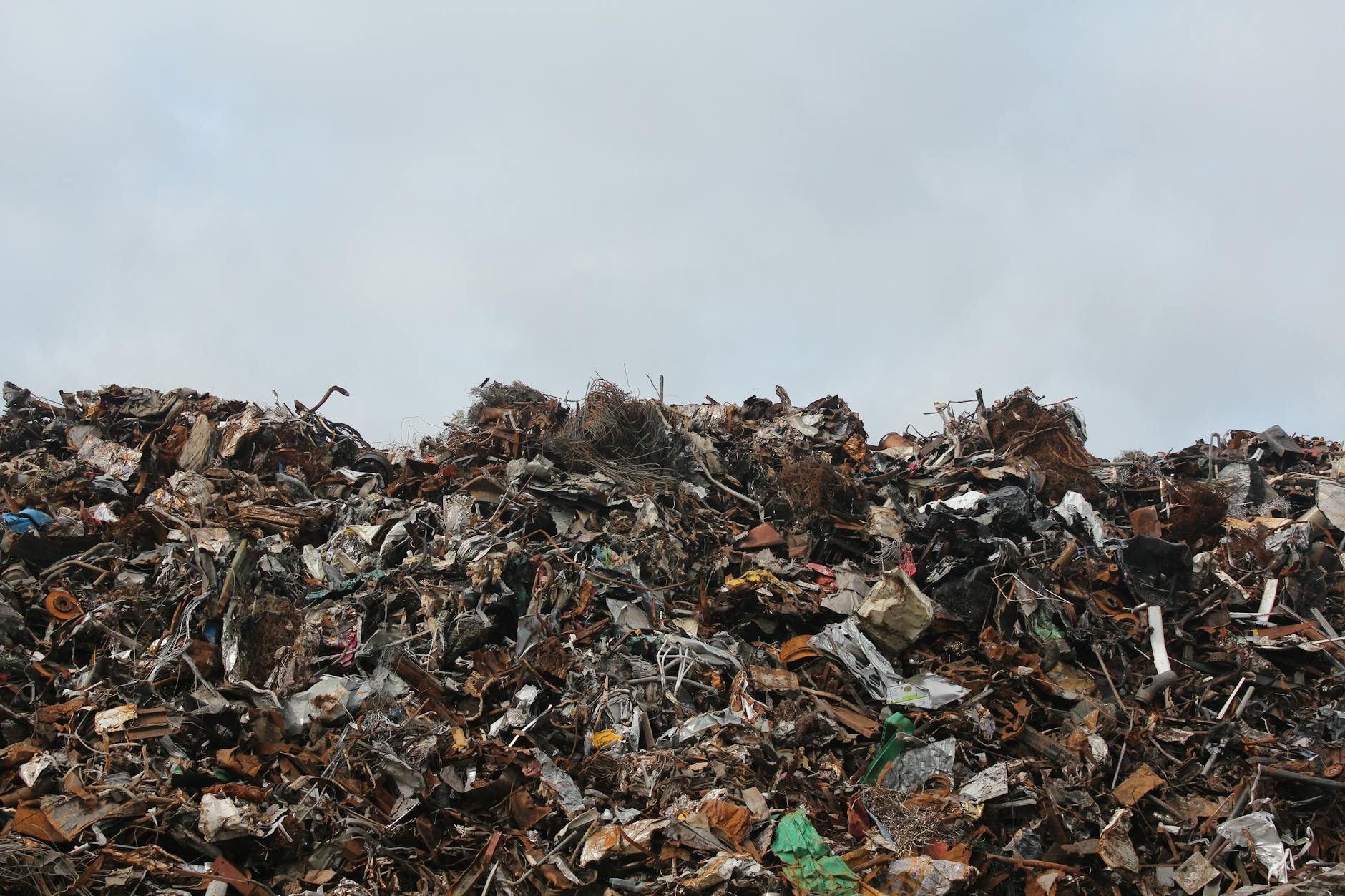
MANILA, Philippines — Senator Loren Legarda has urged the government to take the lead in reducing single-use plastics as the country marks National Zero Waste Month this January.
“I call on all government agencies to take the lead in creating to help find innovative ways to reuse everyday products and reduce waste,” Legarda said in a statement.
National Zero Waste Month, celebrated every January, was established in 2014 under Proclamation No. 760 by the late President Benigno Aquino III. It calls on government agencies to actively support zero-waste initiatives.
The lawmaker said that there is an urgent need for government leadership and community action in addressing the country’s plastic pollution problem.
“The Philippines has been tagged as one of the top ocean polluters worldwide, primarily due to our dependence on single-use plastics,”+said Legarda.
She likewise noted that the country needs to brace for reusable alternatives, saying, it’s time to break free from the harmful use of single-use plastics.
“It is time to break free from this harmful practice by harnessing our ingenuity and resourcefulness to develop and promote reusable alternatives for our everyday lives,” she said.
In a 2021 report from the World Bank, the Philippines produces 2.7 million tons of plastic waste yearly, with about 20 percent ending up in the ocean.
The report said that several structural challenges are contributing to the failure of plastics recycling in the Philippines. High logistics costs make it difficult for recyclers to source materials from across the archipelago, while electricity costs, which are 38-67 percent higher than those of neighboring countries, further burden recyclers using inefficient equipment.
The informal recycling industry also creates intense competition, distorting the market for formal recyclers, it said.
According to the same report, more than half of plastic packaging used is made from low-value, hard-to-recycle flexible materials, locking in significant material value. Low landfill tipping fees discourage local governments from investing in better waste management solutions. Small and medium enterprises (SMEs) that dominate the domestic recycling market also struggle to meet the demands of multinational buyers.
Additional factors compounding the recycling problem include fluctuations in virgin resin and oil prices, the absence of local recycled content requirements for key plastic resins, and the challenging economics of waste collection for the informal sector.
There’s also a lack of “design for recycling” standards, fragmented waste management implementation, and insufficient organic waste treatment facilities, it said.



 Republika News
Leave a comment