
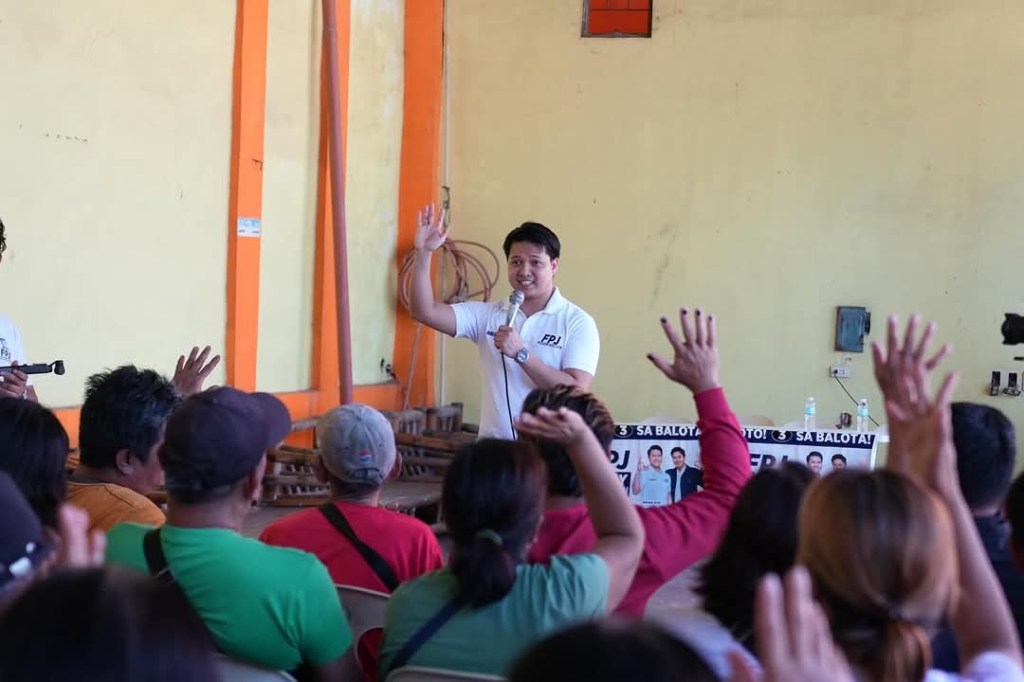
The wage increase for informal workers is desirable and necessary according to FPJ Panday Bayanihan partylist.
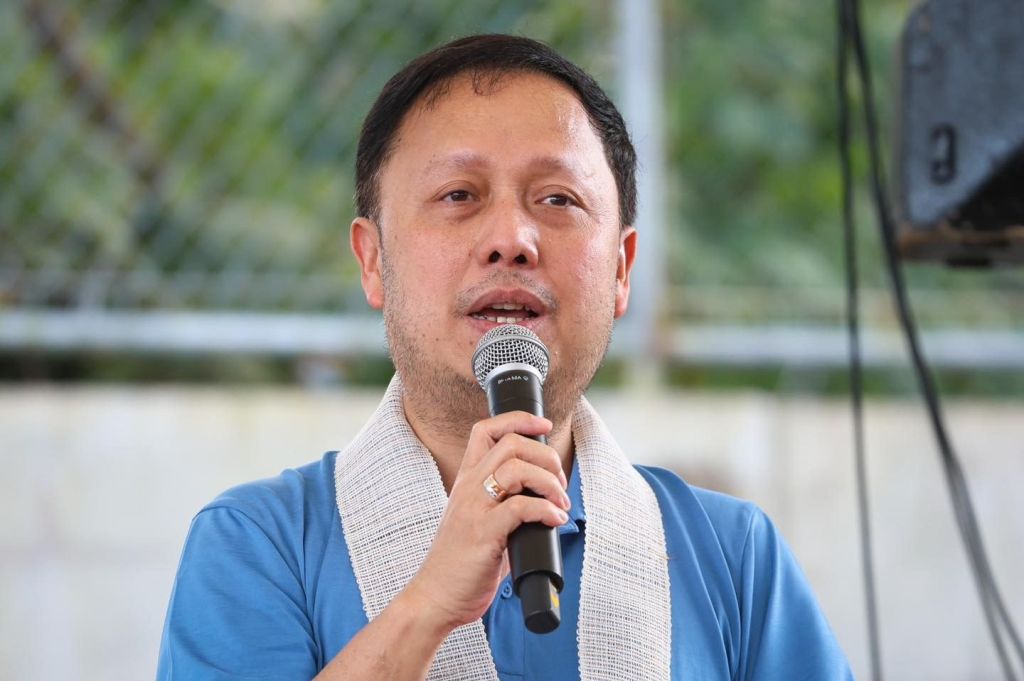
The party is founded on three principal pillars: Food, Progress, and Justice. Brian Poe Llamanzares, the first nominee of the FPJ Panday Bayanihan partylist, stated that it is our goal to pursue legislation in Congress to boost salaries for informal workers.
This is a tremendous goal for all of us to help the informal sector overcome decades of income inequality, and Poe emphasized that the daily necessities of informal sector families should be fulfilled.
The “informal workers” category includes tiny, self-employed individuals who participate in activities like as street vending, market selling, pedicab driving, small-scale construction labor, home-based production, and operating “sari-sari” businesses.
These workers primarily face challenges such as the lack of formal registration, employment benefits, and often work beyond the strict regulations of labor laws.
According to Poe, informal workers are an important element of the labor force who help the country’s economy flourish. They should be paid a living wage to enable them adjust to changing economic situations, particularly during periods of inflation.
According to World Economics, the informal economy in the Philippines makes up 34.2% of the country’s GDP, which equates to $414 billion (₱23.720 trillion) in GDP Purchasing Power Parity (PPP).
This significant share includes self-employed people, underpaid family workers, and those working in informal companies.
Poe is concerned about these workers’ lack of access to social protection, job stability, and acceptable working conditions.
It is worth mentioning that the Philippine minimum wage differs by area. In the National Capital Region (NCR), the minimum wage is ₱645, while in Central Luzon, it is ₱500. However, these rates vary according on sector and area.
For informal laborers, the minimum wage is not precisely established. Domestic helpers in Metro Manila earn a minimum of ₱6,500 a month, which is less than half of the standard minimum wage rate.
 Republika News
Leave a comment