
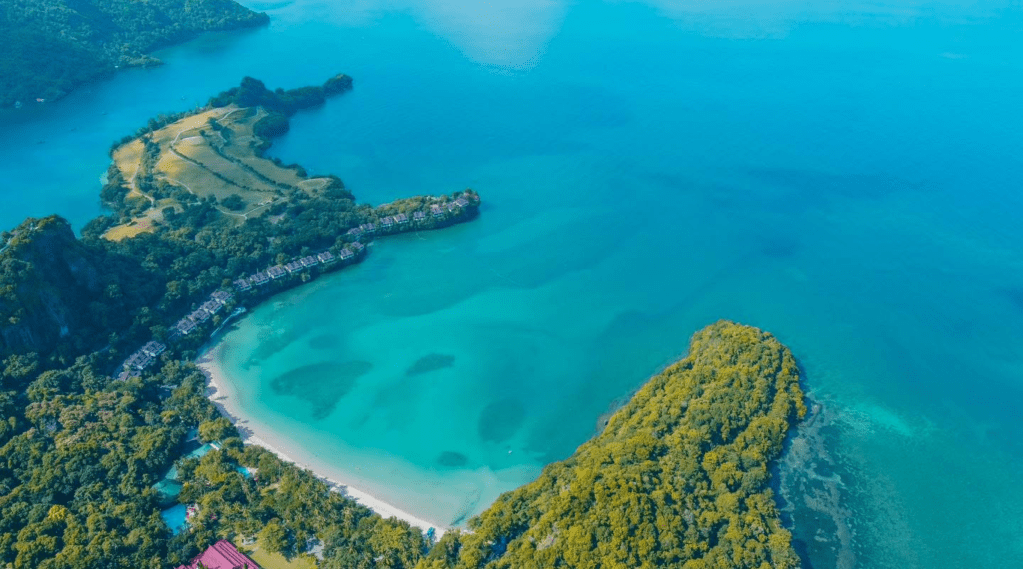
MANILA, Philippines — The Supreme Court (SC) has ordered Dakak Beach Resort Corporation (Dakak) and its representative, Romeo Jalosjos, to vacate a 1,602-square-meter property in Taguilon, Dapitan City, Zamboanga del Norte.
Under the ruling, it also states that all permanent structures built on the land now belong to its rightful owner.
The SC’s Third Division upheld the decisions of the Regional Trial Court (RTC) and the Court of Appeals (CA), affirming that Dakak and Jalosjos must return the land, pay overdue rent, and settle P1.5 million in damages.
The property was originally leased to Dakak under a 10-year agreement with landowner Violeta Saguin de Luzuriaga. The contract stipulated that any permanent structures built on the land would become Luzuriaga’s property upon the lease’s expiration. However, Dakak did not provide her with a copy of the lease.
Believing that the contract had expired after five years, Luzuriaga refused further rental payments and demanded that Dakak vacate the property.
Instead of leaving, Dakak continued using the land while withholding rent. When Luzuriaga later sold the property to her daughter, Pilar L. Mendezona, Dakak also ignored similar demands from the new owner.
Spouses Mendezona then filed a case against Dakak and Jalosjos for recovery of possession, unpaid rentals, and damages.
In response, Dakak argued that its multi-million dollar investments in the area gave it a preferential right to purchase the property. It also claimed the right to redeem the land under laws applicable to rural properties adjacent to land it owns.
Moreover, Dakak and Jalosjos asserted that if they were required to return the land, they should not be forced to vacate until they were reimbursed for the cost of the structures they had built.
However, the lower courts ruled against them—a decision that the SC has now affirmed.
The SC ruled that Dakak had neither a right of redemption nor an entitlement to reimbursement for the structures it built.
Under Article 1621 of the New Civil Code, the owner of an adjoining land may redeem a piece of rural land sold to a third party. But the SC clarified that both the land being redeemed and the adjacent property must be classified as rural. Since Dakak’s adjacent property, which houses Dakak Beach Resort, is used for commercial purposes, the court ruled that it had no right to redemption.
Likewise, the SC rejected Dakak’s claim for reimbursement.
“To be entitled to the structures on the land, one must be considered a ‘builder in good faith,’” the SC explained.
Under Article 448 of the New Civil Code, a builder in good faith is someone who constructs on land while believing they own it. Article 546 further states that such a builder may retain the structures until the owner reimburses them.
However, the SC ruled that these provisions did not apply to Dakak.
“Articles 448 and 546 do not apply when the relationship between the parties is based on a contract,” the court said. “Since Dakak’s lease agreement expressly stated that ownership of all structures would transfer to the landowner at the end of the lease, it was not entitled to reimbursement.”
Beyond rejecting Dakak’s claims, the SC also found the company and Jalosjos guilty of fraud and bad faith.
“Dakak has been using [the land] for its own financial gain for more than 20 years at the expense of its lawful owner,” the ruling stated. “The non-payment of rent to [Luzuriaga] and Spouses Mendezona, the outright refusal to vacate the property despite several demands and dragging of a simple lease contract for years smack of utter bad faith and wanton disregard of contractual obligations. The act of oppression of Dakak and Jalosjos against a small landowner cannot be left unpunished.”



 Republika News
Leave a comment