

MANILA, Philippines — The Department of Social Welfare and Development (DSWD) reaffirmed its commitment to addressing hunger through its Walang Gutom Program (WGP), formerly known as the Food Stamp Program, following the latest Social Weather Stations (SWS) survey, which showed a rise in hunger incidence among Filipino families.
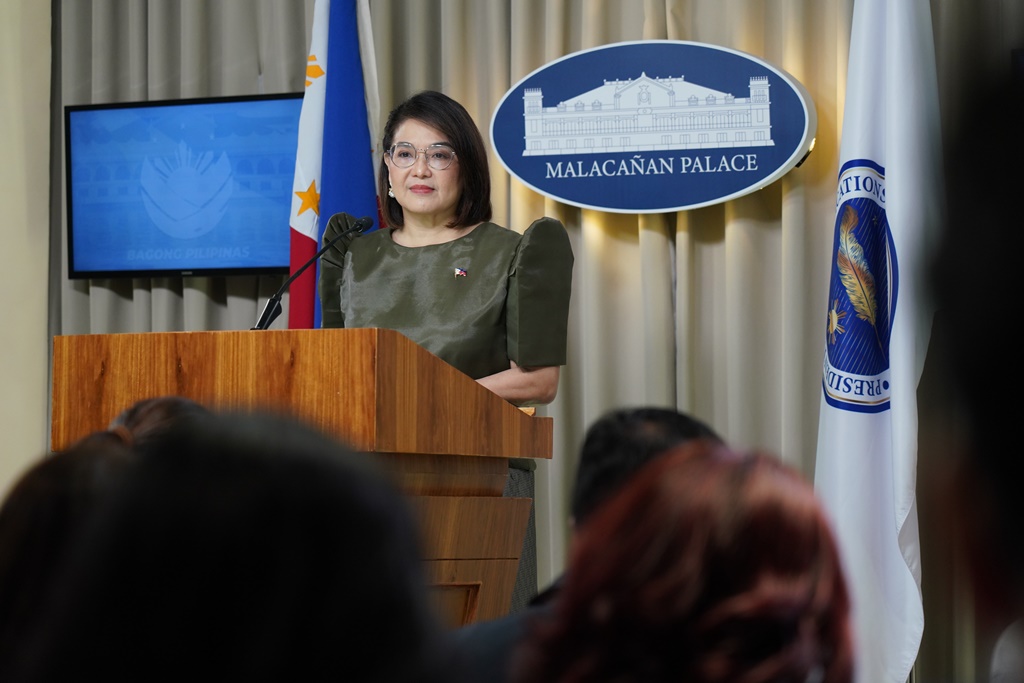
“We recognize the growing challenge of food insecurity, and the latest survey reinforces the urgency of enhancing and further expanding the government’s WGP,” DSWD spokesperson Assistant Secretary Irene Dumlao said..
The SWS survey, conducted from March 15 to 20, revealed that 27.2 percent of Filipino families nationwide experienced involuntary hunger at least once in the past three months. In response, the DSWD is currently supporting 300,000 food-poor households—equivalent to 1.5 million individuals—by providing P3,000 monthly food aid.
“As always emphasized by Secretary Rex Gatchalian, fighting hunger may be difficult, but it is doable. This is why we continue to intensify our Walang Gutom Program and other anti-hunger initiatives in partnership with other government agencies,” Dumlao said.
To further scale up hunger alleviation efforts, the DSWD aims to enroll more beneficiaries, prioritizing areas where food insecurity remains a critical issue.
“By 2027, the agency targets to assist 750,000 food-poor families, reinforcing the government’s commitment to a hunger-free Philippines,” Dumlao added.
One of the agency’s flagship initiatives under the WGP is the Walang Gutom Kitchen in Pasay City, which provides hot, free meals to families, individuals, and children in street situations. The program repurposes surplus food from hotels, restaurants, and organizations, turning it into nutritious meals to combat involuntary hunger.
“Based on the latest survey, the hunger rate in Metro Manila, where the WGP was first piloted and the Walang Gutom Kitchen is being implemented, did not increase. This is somehow a reflection that, slowly, these two DSWD-led hunger efforts are on the right track,” Dumlao said.
Beyond direct food assistance, the DSWD is also promoting nutrition education through innovative initiatives like the WGP Kusinero Cook-Off Challenge, which encourages families to create healthy meals using food items available under the WGP.
“These initiatives complement the WGP by ensuring that families not only have access to food but also understand how to make the most of their resources to maintain a healthy diet,” Dumlao said.
The WGP provides eligible families with electronic benefit transfer (EBT) cards loaded with P3,000 in monthly food credits. These can be used to purchase nutritious food items from accredited retailers, ensuring that vulnerable households have access to adequate and healthy meals.

 Republika News
Leave a comment