

MANILA, Philippines—Education Secretary Sonny Angara assured the public that the Department of Education (DepEd) is taking significant steps to address the growing issue of functional illiteracy among Filipino youth.
The announcement comes after a report revealed that 18 million basic education graduates are struggling with reading comprehension and literacy skills.
Sec. Angara called on local government units, the private sector, and, most importantly, parents to collaborate with DepEd in tackling this pressing problem. He emphasized the crucial role of parents in supporting their children’s education, particularly by addressing hunger, which hinders students’ ability to focus and learn.
“This is not just an education issue. A hungry child cannot learn, and a teacher cannot teach effectively if the student comes to school burdened with personal problems or lacking family support. We need the entire community to step up if we truly want to solve this,” said Angara.
Parents as first teachers
As part of its campaign to promote literacy and numeracy, DepEd has launched several summer programs such as the Literacy Remediation Program, Bawat Bata Makakabasa, 2025 Learning Camp, and the Summer Academic Remediation Program. These initiatives aim to ensure that students can read, write, and perform basic arithmetic before advancing to the next grade level.
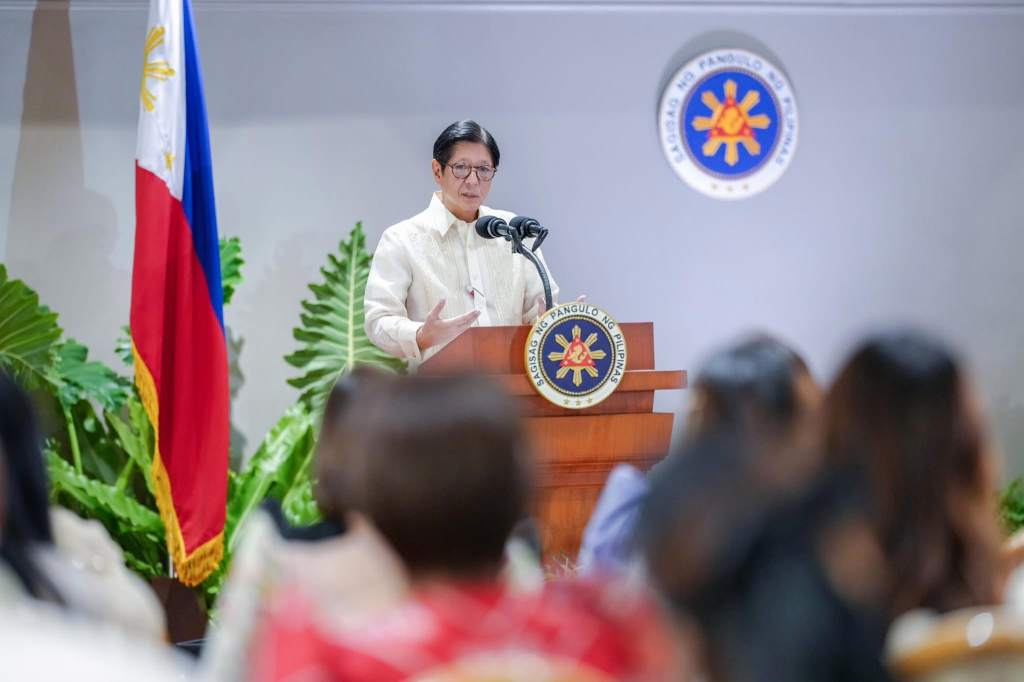
President Ferdinand Marcos Jr. also highlighted the important role of parents in shaping their children’s learning. “Parents, especially those with young children, let’s take the time to read to them. It may seem like a small act, but it has a huge impact on their future and our country,” he said.
According to UNESCO, a child’s success in learning largely starts at home—whether through bedtime stories, daily routines, or nurturing their curiosity.
The education department said that in Cebu, a program called Alimbukad: Basa Pamilya, initiated by the Zonta Club of Cebu II, encourages reading within the family. This
initiative distributes book bags and holds monthly sessions for parents, such as those at Poo Elementary School in Lapu-Lapu City, to teach them how to actively support their children’s learning, it said.
Nutrition and learning
UNICEF research has shown that several factors influence a child’s literacy, including nutrition, home environment, and access to reading materials. In response, DepEd is expanding its School-Based Feeding Program for the 2025-2026 school year, benefiting over 3.3 million students, including all public kindergarten students.
Experts highlight the importance of the first 1,000 days of a child’s life for their physical and mental development. Malnutrition during this critical period can have lifelong effects on a child’s ability to learn.
“DepEd is doing its part, but now it’s time for the whole community to take action,” Angara stated.
Currently, there are 41 Central Kitchens operating, providing nutritious meals to over 30,000 students across more than 200 schools.


 Republika News
Leave a comment