
MANILA, Philippines — The ongoing conflict between Iran and Israel is having a minimal and non-alarming impact on the Philippine economy and energy supply—for now—according to the government’s initial assessment.
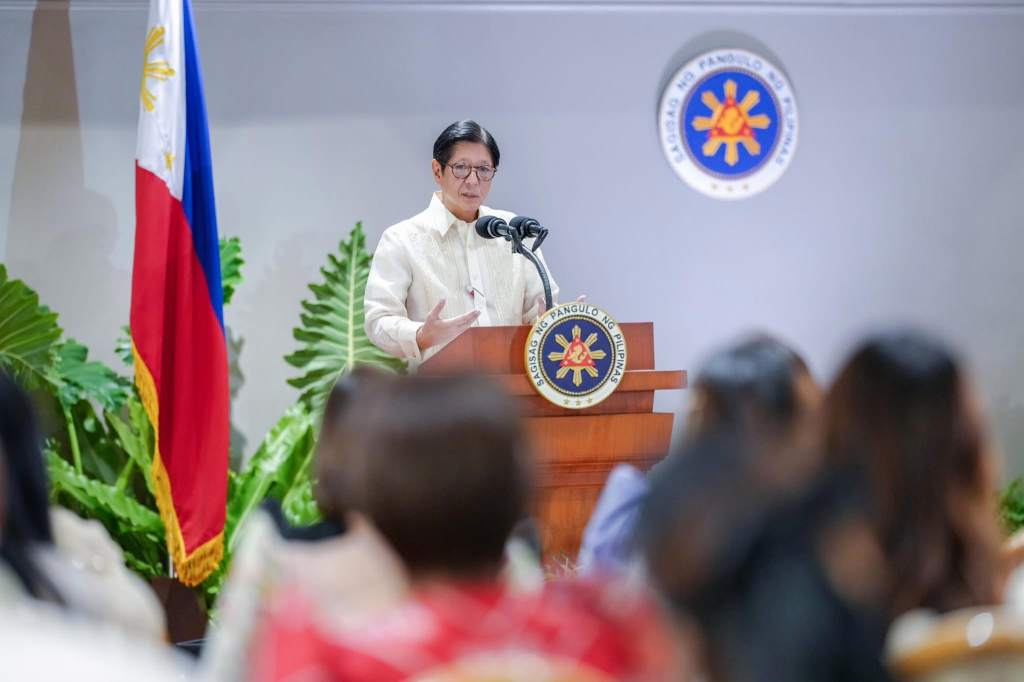
Department of Energy (DOE) Officer-in-Charge Sharon Garin made the statement during a press briefing in Malacañang, citing the evaluation of Department of Economy, Planning, and Development (DEPDev) Secretary Arsenio Balisacan, who assessed the country’s economic exposure to the geopolitical tension.
Garin said Balisacan weighed several factors, including oil price volatility, trade and export dynamics, and the potential impact on remittances from overseas Filipino workers (OFWs), especially those based in the Middle East.
“So, with all those considerations… the impact is so minimal to our economy that it doesn’t seem alarming as of now,” Garin said. “Basta hindi lang siya aakyat ulit or the conflict worsens.”
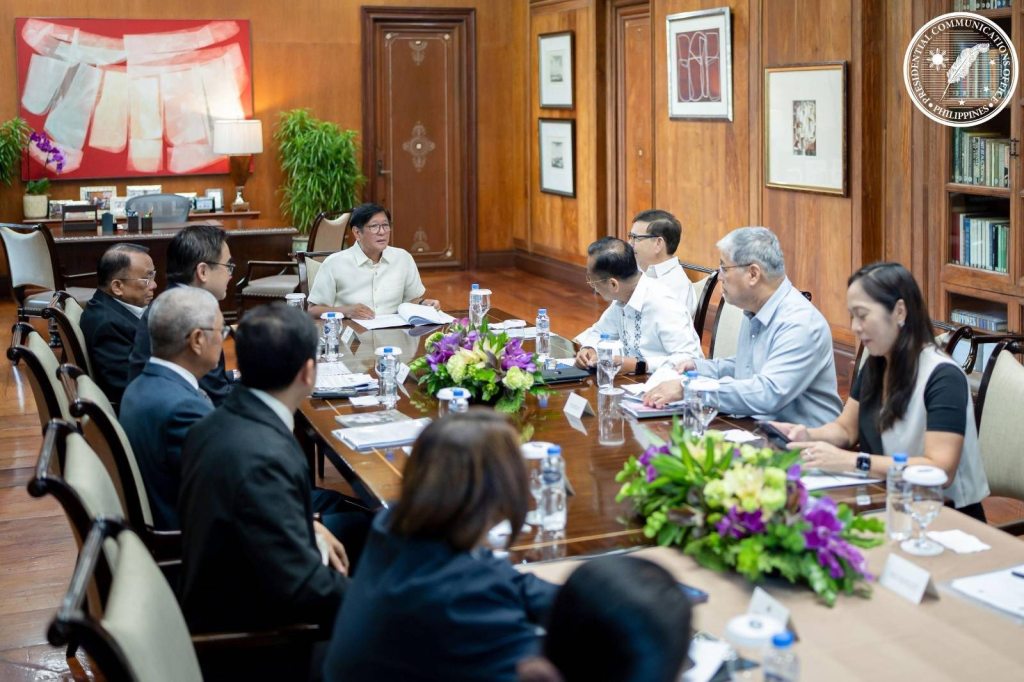
Garin said that President Ferdinand R. Marcos Jr. met with his economic team to evaluate possible risks and response measures. Also present in the inter-agency meeting were Finance Secretary Ralph Recto, Special Assistant for Investment and Economic Affairs Secretary Frederick Go, and representatives from the Department of Foreign Affairs and Department of Labor and Employment.
All agencies, she added, are closely monitoring developments in the Middle East and are ready to implement contingency plans if the situation escalates.
In terms of energy security, Garin said the Philippines remains prepared, with local oil companies maintaining an average buffer stock of 28 to 30 days.
If tensions further disrupt Middle Eastern oil supply, the country can turn to alternative sources such as the United States, Canada, Brazil, and other OPEC members, she added.

 Republika News
Leave a comment