

MANILA — In a bid to boost road safety and further curb corruption, the Metropolitan Manila Development Authority (MMDA) has rolled out real-time text and email notifications for motorists caught violating traffic rules under the No Contact Apprehension Policy (NCAP).
MMDA Chair Atty. Don Artes said the initiative is part of President Ferdinand Marcos Jr.’s directive to improve NCAP’s implementation and ensure motorists are informed promptly of their violations.
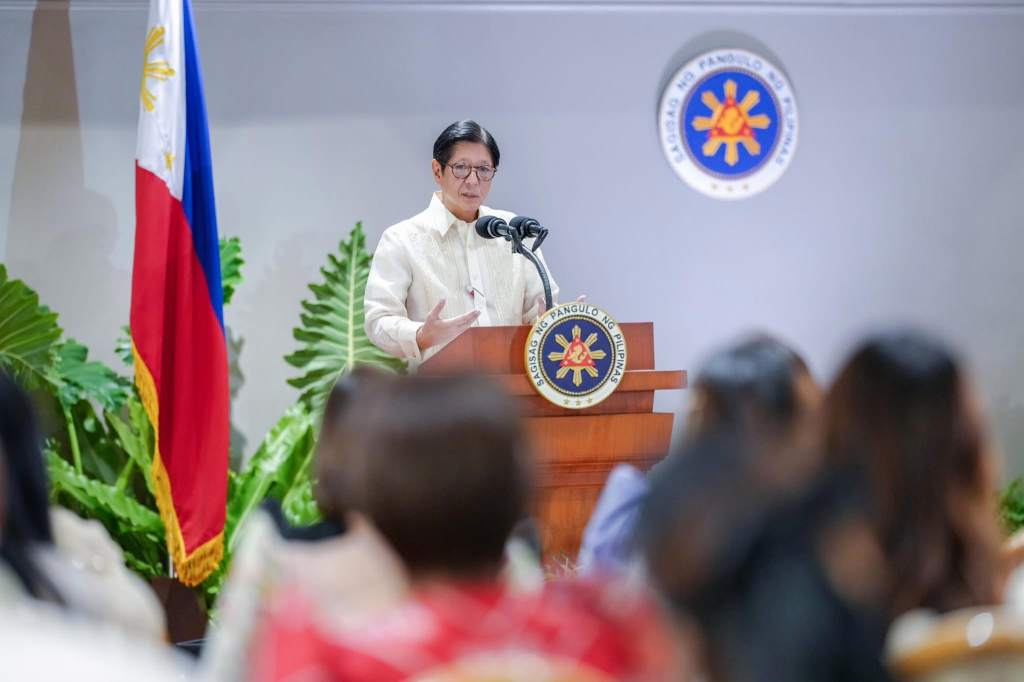
“A key feature of this initiative is that vehicle owners will receive notification via SMS even without an internet connection so that immediate action may be taken,” Artes said during the launch at the MMDA Communications and Command Center in Pasig City on Monday.
The notifications—developed in partnership with a telecommunications company and the Land Transportation Office (LTO)—will be sent as soon as a traffic violation is verified and validated.
For SMS alerts, messages will come from “MMDA_NCAP” and will not use a cellphone number.
Email notifications will be sent from “no-reply@mmda.gov.ph.”
Artes emphasized that both SMS and email alerts will not contain payment links to avoid phishing or scam attempts. He advised motorists to double-check senders and avoid clicking suspicious links.
Vehicle owners’ contact details are based on their registered information in the LTO’s Land Transportation Management System (LTMS). MMDA encouraged the public to update their records and promptly transfer vehicle ownership to avoid receiving penalties for violations committed by others.
Artes also clarified that receiving a “No Record Found” status on the mayhulika.mmda.gov.ph website doesn’t necessarily mean there are no violations—it only reflects NCAP-related apprehensions.
The MMDA’s NCAP system was reimplemented in May 2024, with improvements such as the “May Huli Ka 2.0” portal, which allows vehicle owners to check violations using their plate or conduction sticker and MV file numbers.
At the launch, 1-Rider Party-list Rep. Rodge Gutierrez lauded the MMDA’s efforts, citing that the improvements addressed earlier concerns about the policy’s fairness and transparency.

 Republika News
Leave a comment