
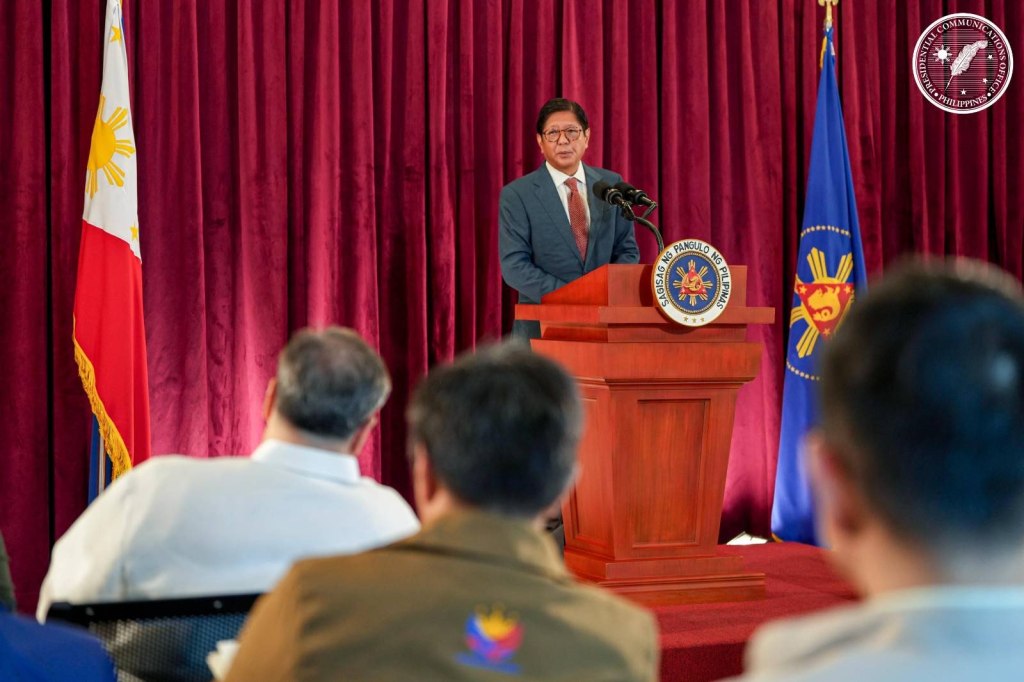
MANILA — President Ferdinand R. Marcos Jr. on Sunday departed for Washington D.C., expressing the Philippines’ readiness to negotiate a bilateral trade agreement with the United States, even as concerns over a proposed 20 percent tariff on Philippine exports hang over the visit.
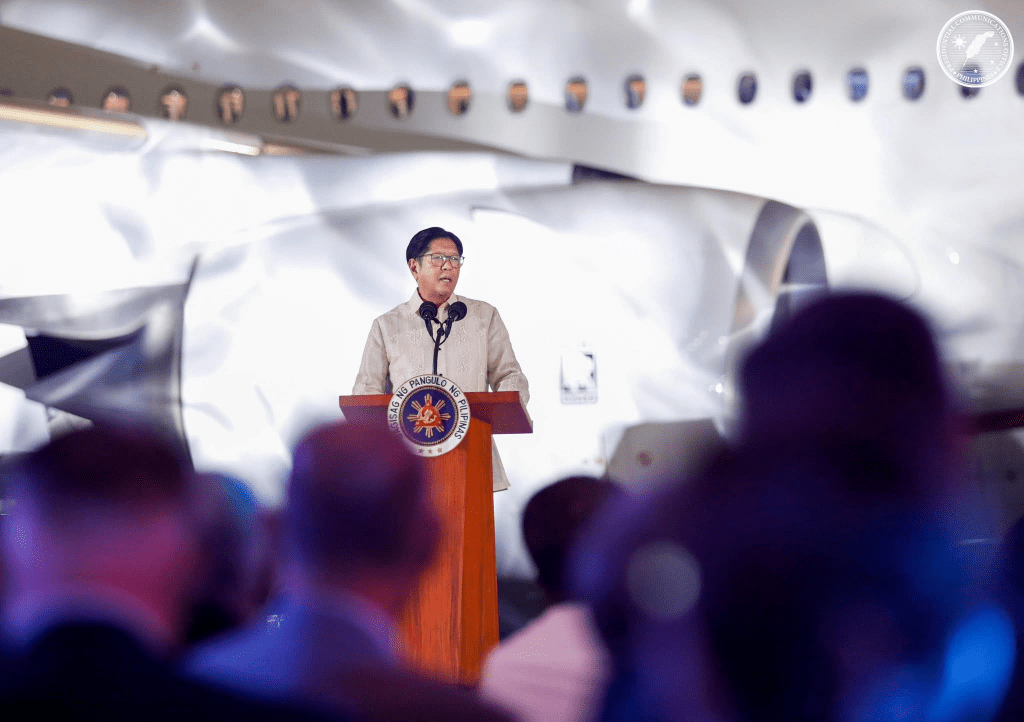
In a departure statement at Villamor Air Base, Marcos emphasized that his “top priority” for the official trip, which runs until July 22, is to “push for greater economic engagement, particularly through trade and investment.”
“I intend to convey to President Trump and his Cabinet officials that the Philippines is ready to negotiate a bilateral trade deal that will ensure strong, mutually beneficial, and future-oriented collaborations that only the United States and the Philippines will be able to take advantage of,” Marcos said.
The trip marks Marcos’ first official meeting with U.S. President Donald Trump, who returned to office in January 2025. Their meeting is set for July 22 at the White House. Marcos is also the first ASEAN leader to secure a sit-down with Trump in his new term — a symbolic move that comes amid shifting regional alliances and intensifying geopolitical competition.
At a Palace briefing last Friday, Department of Foreign Affairs Assistant Secretary Raquel Solano said the two leaders will discuss strengthening cooperation on trade, defense, and maritime security.
Top of the agenda, however, is the U.S. plan to impose a 20 percent tariff on Philippine exports — a proposal that the Marcos administration hopes to counter through what officials call “constructive and mutually beneficial dialogue.”
The Philippines, according to Solano, seeks either a full bilateral trade agreement or a “reciprocal” deal that would offer more certainty for Philippine exporters and investors.
The President is also expected to meet with American business leaders to pitch investment opportunities in the country — a staple in Marcos’ foreign visits, but one that now takes on added urgency amid the looming tariff issue.
As the Philippines navigates increasingly complicated trade and security terrain, observers are watching whether Marcos can turn symbolic gestures into concrete economic and strategic wins.


 Republika News
Leave a comment