

MANILA — US President Donald Trump announced a new trade deal with the Philippines, touting a “Zero Tariffs” agreement—only to later clarify that Philippine exports will still face a 19 percent tariff, just one percent less than the originally proposed 20 percent.
The announcement came after President Ferdinand Marcos Jr. and his delegation concluded their official visit to the White House, which Trump described as “a beautiful visit.”
“President Ferdinand Marcos, of the Philippines, is just leaving the White House, with all of his many Representatives. It was a beautiful visit, and we concluded our Trade Deal, whereby The Philippines is going OPEN MARKET with the United States, and ZERO Tariffs,” Trump said in a statement.
“The Philippines will pay a 19 [percent]Tariff,” he said.
The statement drew confusion and criticism, with the supposed “zero tariff” framing undercut by the 19 percent figure imposed on Philippine goods.
Trump, who returned to office in January 2025, praised Marcos as “a very good, and tough, negotiator,” and said the two countries will also “work together Militarily.”
He added, “It was a Great Honor to be with the President. He is Highly Respected in his Country, as he should be.”
The outcome, however, triggered criticism back home.
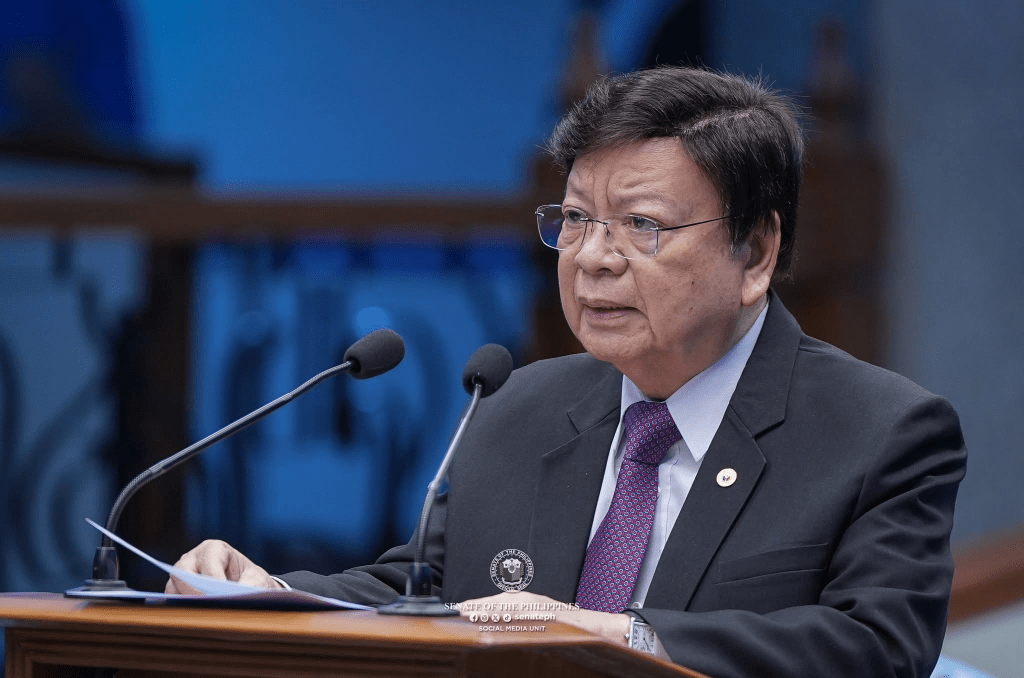
“19% vs 0% tariffs is definitely not the most fair deal between decades-old friends or allies like the United States and the Philippines,” said Senator Panfilo Lacson in a statement. “If I may add, it is the worst insult that a host can throw at his guest. It is time for us to look for other trade partners.”
Prior to the visit, Marcos said securing stronger trade ties was his “top priority,” as the administration aimed to counter the looming 20% tariff proposal through “constructive and mutually beneficial dialogue.”
The trip marked Marcos’ first official meeting with Trump and made him the first ASEAN leader to be hosted by the U.S. president in his current term—an engagement seen as both symbolic and strategic amid growing regional tensions.
Officials had hoped the visit would lead to a reciprocal or full bilateral agreement that would offer certainty for Philippine exporters and investors. Instead, the result was a 1 percent tariff reduction.
Marcos was also expected to meet with American business leaders during his visit to pitch investment opportunities in the Philippines.
The Palace and Department of Trade and Industry have yet to issue statements on the final terms of the trade deal.

 Republika News
Leave a comment