
MANILA — Agriculture Secretary Francisco P. Tiu Laurel Jr. said Wednesday it was still too early to determine the impact of the recently concluded U.S.-Philippines trade agreement on Philippine agricultural exports, as questions remain over how the 19 percent tariff on Philippine goods would affect competitiveness.
“Whether the Philippine agriculture sector will gain or not from this trade deal with the U.S. remains to be seen, especially as many of our competitors are still negotiating for better terms,” Tiu Laurel said.
The statement came after U.S. President Donald Trump announced that American goods would enter the Philippines tariff-free, while Philippine exports to the U.S. would be subject to a 19 percent tariff—higher than the initially proposed 17 percent, and just slightly below the 20 percent floated by the White House earlier.
The Philippines trails its regional peers in terms of tariff concessions. The U.S. cut tariffs on Indonesian exports to 19 percent from 32 percent, while Vietnam secured a 20 percent rate from a proposed 46 percent. Transshipped goods from Vietnam will be taxed at 40 percent, while Thailand and Cambodia are still in negotiations and face a proposed 36 percent tariff.
While the Philippines recorded a USD3.98 billion trade surplus with the U.S. in 2024, it continued to post a USD1.95 billion agricultural trade deficit—though narrower than the USD2.36 billion gap in 2023.
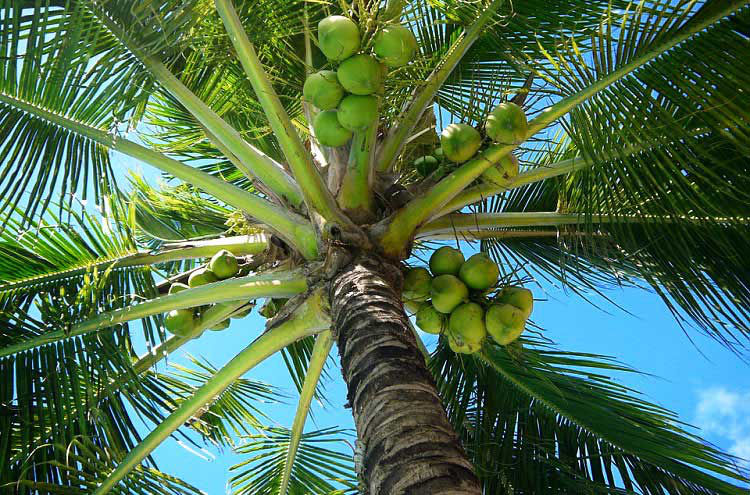
Coconut oil remained the country’s top agricultural export to the U.S. last year, earning USD558.7 million. On the other hand, its top farm imports from the U.S. were animal feeds (USD1.36 billion), cereals and cereal products (USD838.1 million), and other food and live animals (USD384.1 million).
Tiu Laurel noted that the zero tariff on U.S. agricultural imports could potentially support President Ferdinand Marcos Jr.’s food security agenda by reducing the cost of key agricultural inputs, especially in the livestock sector.


 Republika News
Leave a comment