
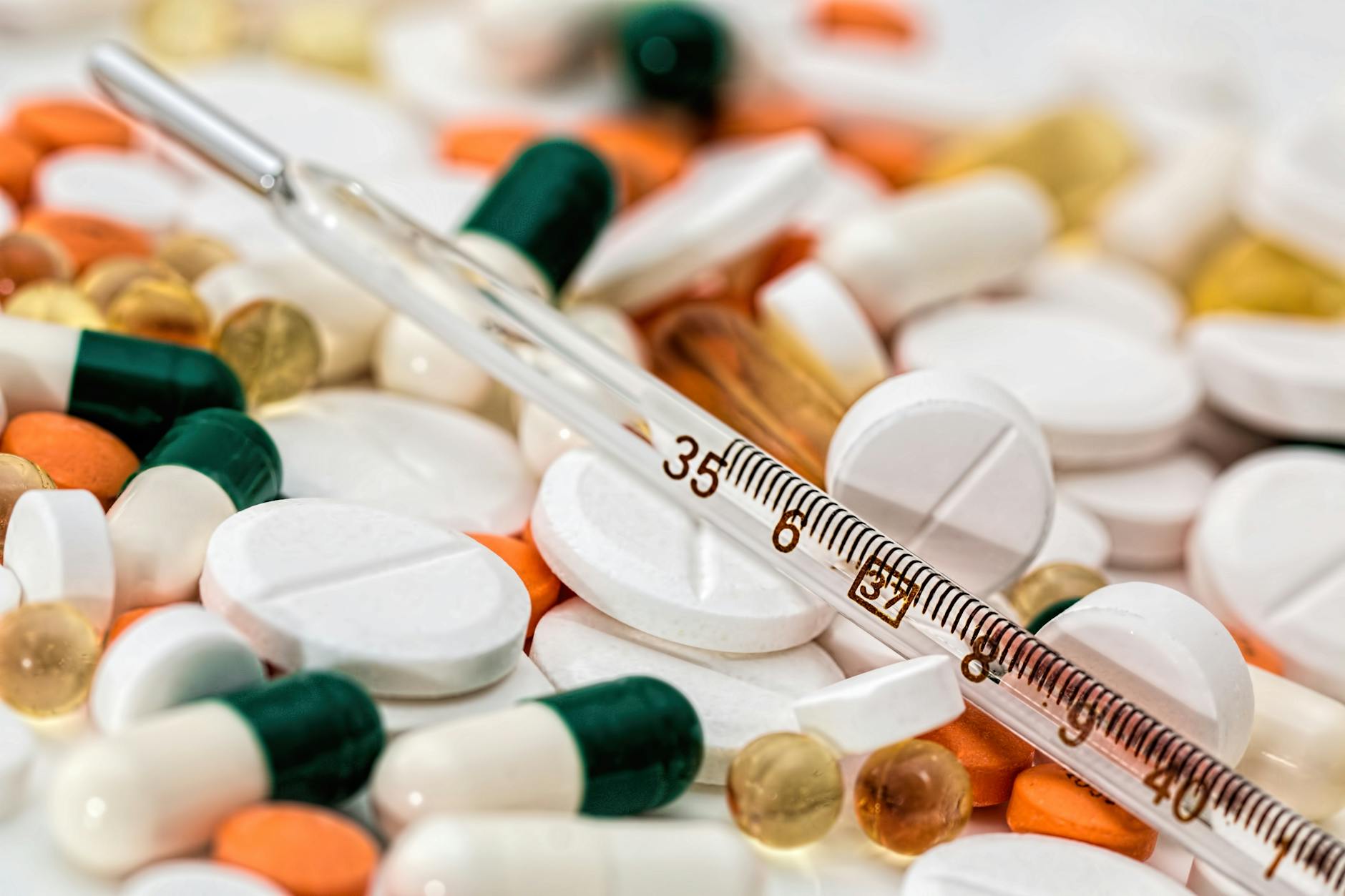
MANILA—The Philippines preserved tariff protections for key agricultural sectors under its ongoing trade talks with the United States, while selectively opening its market to U.S. pharmaceutical products and food inputs, Malacañang said Thursday.
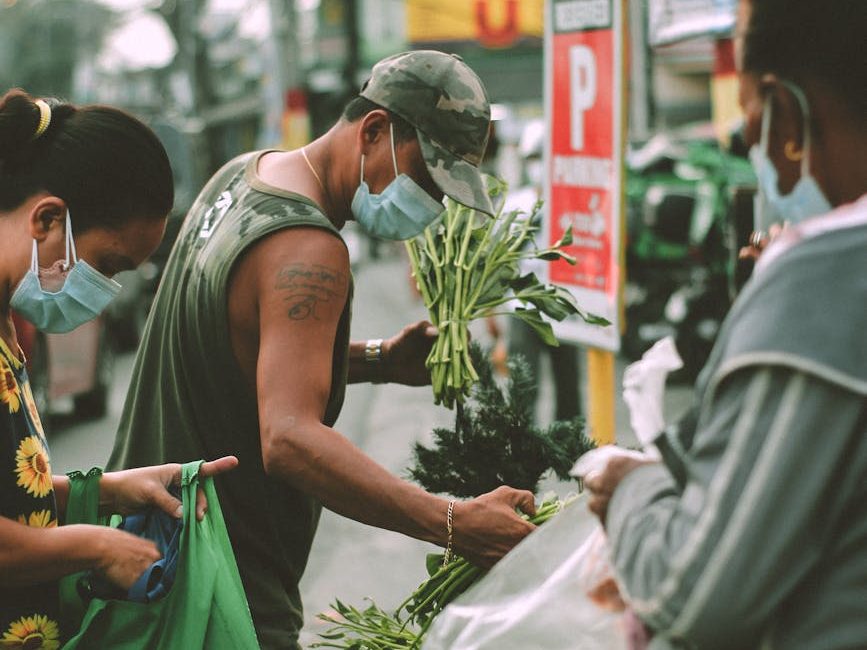
Special Assistant to the President for Investment and Economic Affairs Secretary Frederick Go clarified that essential agricultural commodities—including rice, sugar, corn, pork, chicken, and fisheries—were excluded from any tariff concessions following President Ferdinand Marcos Jr.’s recent visit to Washington D.C.
“Lahat po ng binanggit ninyo—rice, sugar, corn, fisheries, pork, chicken—hindi po natin tinanggal ang taripa ng mga iyan,” Go said in a Palace briefing, stressing that these sectors remain protected and were “carefully studied” by the Philippine government in coordination with the Department of Trade and Industry.
Instead, Go said the Philippines granted zero-tariff access to select U.S. products where there is limited or no local production—specifically medicines, wheat, soy, and automobiles.
“Kapag tariff-free po ang gamot, makakababa po iyan ng presyo ng gamot,” Go said, adding that lifting tariffs on wheat and soy will help bring down the cost of bread and animal feeds, indirectly benefiting Filipino consumers and farmers.
“These inputs are necessary, and we don’t produce them locally,” Go said. “The sectors na in-open natin, wala tayong masasaktan na industriya dito.”
Go made the clarification amid public scrutiny over a U.S.-imposed tariff reduction from 20% to 19% on Philippine exports, which the former Trump administration publicly announced following Marcos’ U.S. trip. He emphasized that the tariff cut was a unilateral move by the U.S. and not yet part of a finalized bilateral deal.
“This is not a deal. Unilaterally in-impose lang po ito ng Amerika sa atin at sa buong mundo,” Go said. He also noted that the Philippines now enjoys the second-lowest tariff rate among Southeast Asian nations exporting to the U.S., next only to Singapore at 10%.
Go added that technical working groups from both countries are continuing discussions to secure a more comprehensive trade arrangement that will benefit Philippine industries while maintaining protections for sensitive sectors.



 Republika News
Leave a comment