
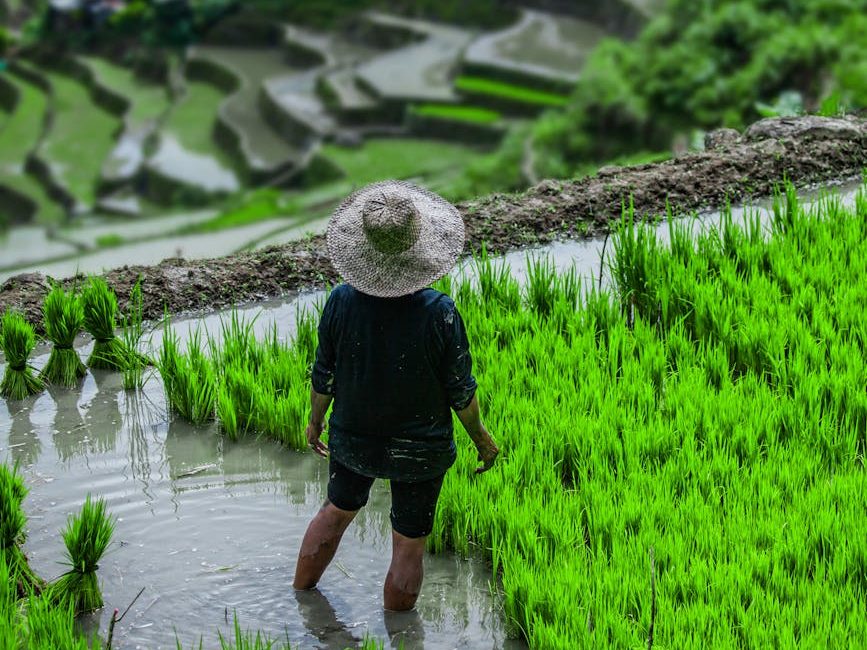
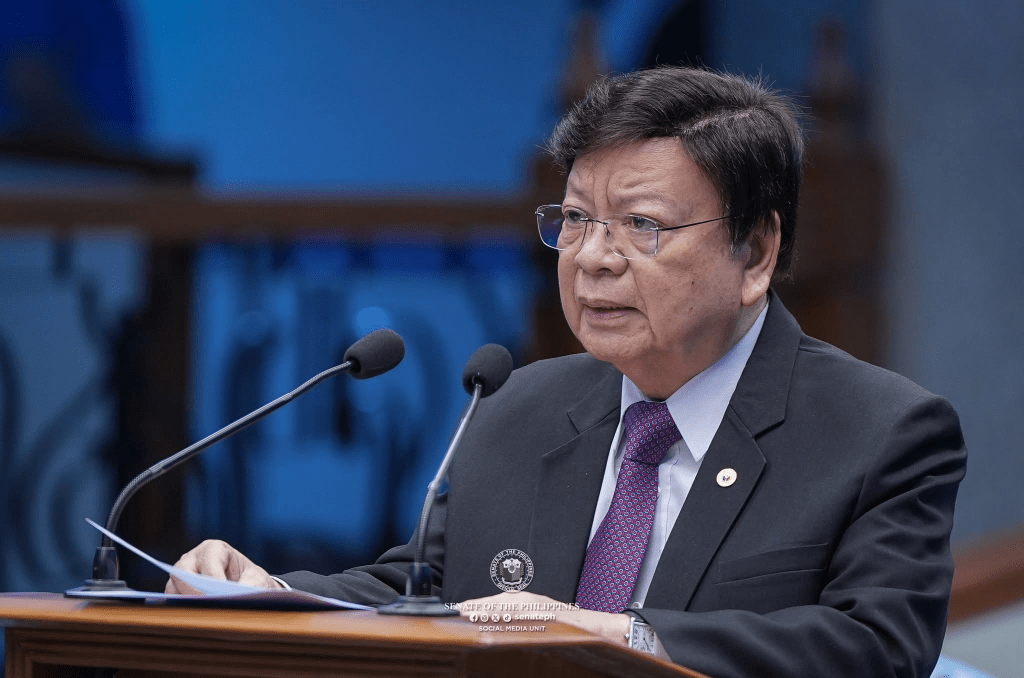
MANILA — Senator Francis “Kiko” Pangilinan urged government agencies to remove barriers that prevent direct rice purchases from local farmers, saying outdated procurement rules continue to benefit middlemen at the expense of producers.
“It’s time we ask the hard question: Why can’t our government buy rice straight from our farmers?” Pangilinan said. “Why are we forcing them to go through layers of bureaucracy that benefit middlemen but leave our food producers in poverty?”
The lawmaker, author of the Sagip Saka Act (Republic Act 11321), said government agencies and local government units (LGUs) should already be directly sourcing from farmers’ cooperatives and associations. But implementation of the law has been hampered by restrictive interpretations of procurement rules set by the Government Procurement Policy Board (GPPB).
“These rules are supposed to prevent corruption, but what they’re preventing is progress. They’re keeping government money from going straight to the people who grow our food,” Pangilinan said. “Instead of empowering farmers, the current system empowers traders.”
Under current GPPB guidelines, farmers must meet strict documentation, accreditation, and bidding requirements—conditions Pangilinan said most small-scale producers cannot satisfy. As a result, bulk of rice purchases for government feeding programs and emergency response are awarded to large private suppliers.
He called on the GPPB to revise its policies and align them with the law’s intent: to allow direct food procurement from local farmers and fisherfolk without public bidding under specific circumstances.
“Gutom ang isinusugal dito,” Pangilinan warned. “Sa bawat araw na hindi natin binibili direkta sa mga magsasaka, talo ang mga pamilyang umaasa sa palay at talo rin ang pamilyang umaasa sa murang bigas.”
“The law is already there. The will of Congress is clear. What we need now is action from implementing agencies,” he said. “If we truly want food security and rural development, then we must make it easier—not harder—for government to buy from our own farmers.”


 Republika News
Leave a comment