
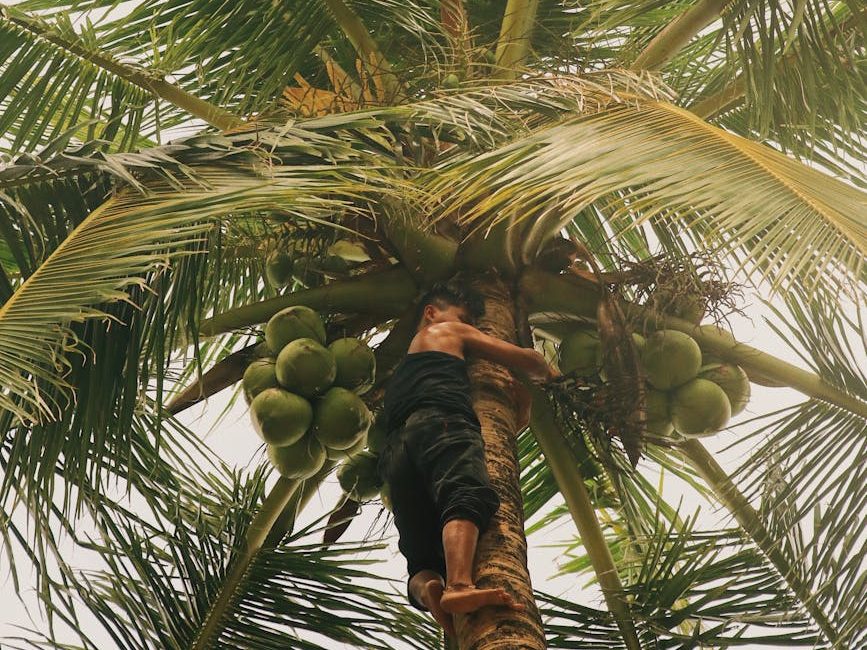
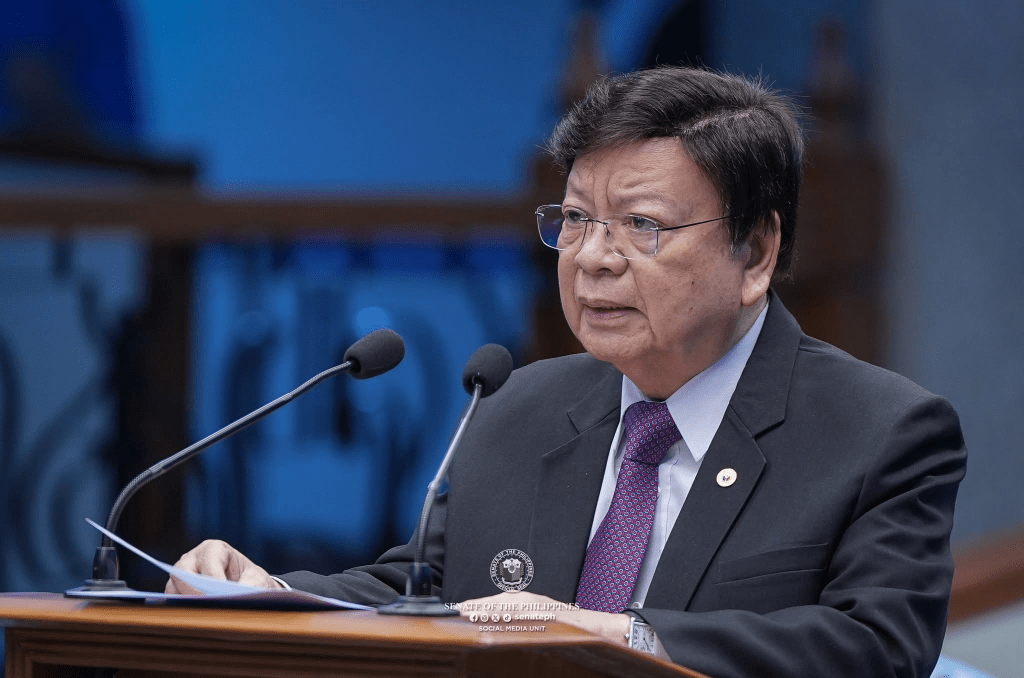
MANILA — Agriculture Secretary Francisco P. Tiu Laurel Jr. backed President Ferdinand Marcos Jr.’s call to amend the Coconut Farmers and Industry Trust Fund Act, saying the move is critical to reviving the country’s underperforming coconut sector.
“We must revise the law to focus the trust fund’s resources on the most critical needs—particularly replanting,” Tiu Laurel said. “Many of our coconut trees are senile. If we don’t replace them immediately, we risk losing the industry’s future.”
Coconut trees over 50 years old yield less than half the output of younger trees, which produce 80 to 100 nuts annually. While salt fertilization can temporarily boost productivity, Tiu Laurel emphasized that only replanting ensures long-term sustainability.
The Philippines, the world’s second-largest coconut producer and exporter after Indonesia, has around 3 million coconut farmers working across 3.6 million hectares. Yet the sector struggles with declining productivity, with only 134 processing plants—many operating at just 50 percent capacity—and 60 oil mills performing below their combined 3.7 million metric ton capacity.
“These reforms are about more than productivity—they’re about securing the livelihoods of millions of Filipino coconut farmers,” Tiu Laurel added.
Coconut exports generate about USD2 billion annually from products like crude and refined coconut oil, desiccated coconut, copra meal, and coconut water, with 14 to 15 billion nuts processed each year.
Tiu Laurel said that boosting farm yields could allow the country to tap into rising global demand for coconut oil, particularly in Europe. Although the government has met its annual planting targets, he stressed that the pace still needs to be accelerated.
In 2024, despite El Niño, the Philippine Coconut Authority (PCA) planted 8.6 million seedlings, slightly exceeding its 8.5 million target and quadrupling the previous two-year average. But this remains far from President Marcos’s target of planting 100 million coconut trees by 2028.
For 2025, the government earmarked P1 billion for planting and replanting and P1.8 billion for fertilization. Tiu Laurel said tapping into the P80-billion coconut trust fund is essential to scale up these efforts and support high-impact programs that increase productivity and farmer incomes.
The proposed amendment to the law will give the PCA greater flexibility in fund use, allowing it to focus on key interventions such as drip irrigation, water impounding, fertilization, and farmer welfare.
“We’ve consulted with agencies, farmer groups, and stakeholders to ensure the amendments to the Coconut Farmers and Industry Trust Fund Act reflect the sector’s growing needs,” said PCA Administrator Dexter Buted.



 Republika News
Leave a comment