

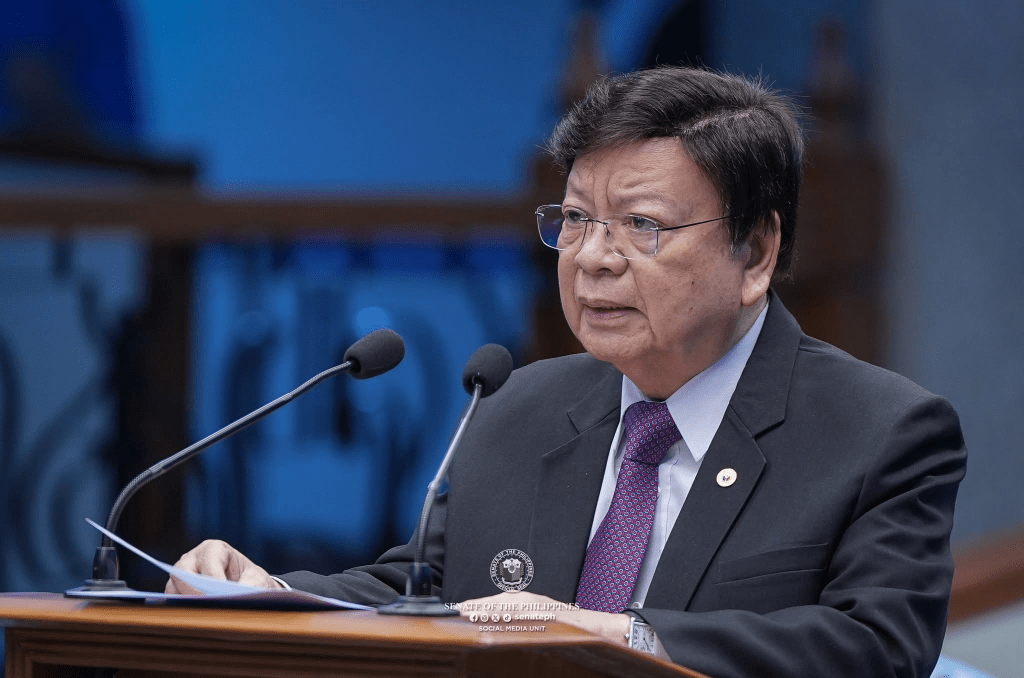
MANILA — Senator Francis “Kiko” Pangilinan has filed Senate Bill No. 720, also known as the People’s Freedom of Information (FOI) Act, seeking to institutionalize the public’s right to access government records and data as part of efforts to promote transparency and good governance.
Filed on July 21, the measure aims to enact an enabling law to fulfill the constitutional provisions under Section 7, Article 3 and Section 28, Article 2 of the 1987 Constitution on access to information and accountability in public service.
“Our citizens deserve a government that is open, transparent, and accountable,” Pangilinan said. “We can take a vital step forward in fighting corruption, strengthening public trust in government, and enabling meaningful civic participation with the passage of the FOI.”
The bill sets clear procedures for requesting and accessing government-held documents, while also providing safeguards for national security and personal privacy.
Pangilinan’s measure will cover all branches of government—executive, legislative, and judiciary—as well as constitutional commissions, local government units, chartered institutions, government-owned or -controlled corporations (GOCCs), and state universities and colleges.
According to the bill, there shall be “a legal presumption in favor of access to information,” with the burden on government agencies to justify any exemption to disclosure.
Among the public documents listed as accessible under the proposed FOI law are the annual Statements of Assets, Liabilities, and Net Worth (SALNs) of the President, Vice President, Cabinet members, lawmakers, Supreme Court justices, members of constitutional commissions, and flag officers of the Armed Forces.
Government agencies would also be required to regularly post key documents on their websites, including their annual budget, itemized monthly collections and disbursements, summary of income and expenditures, Internal Revenue Allotment (IRA) use, annual procurement plans, updated plantilla of positions and vacancies, loans, bids, and contracts.
The bill outlines penalties for noncompliance, including one to six months’ imprisonment and fines ranging from ₱10,000 to ₱100,000 for concealing information or releasing confidential data. Destruction or sale of public information may result in fines of ₱500,000 to ₱1 million, imprisonment from five to 15 years, or both.
“An informed citizenry is essential to democratic progress. The FOI law will empower Filipinos with the information they need to hold leaders accountable and take part in nation-building,” Pangilinan said.



 Republika News
Leave a comment