
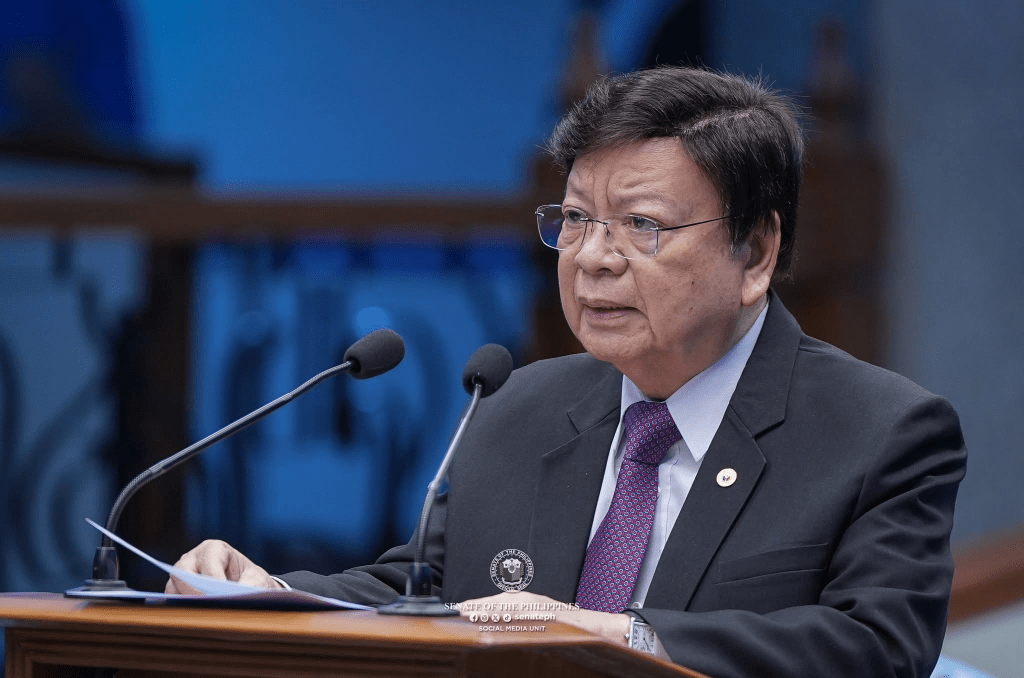
MANILA — Agriculture Secretary Francisco P. Tiu Laurel Jr. on Tuesday emphasized the need for the Department of Agriculture (DA) to intensify efforts to sustain the country’s downward inflation trend, following a report from the Philippine Statistics Authority showing a 0.9 percent inflation rate in July—a six-year low.
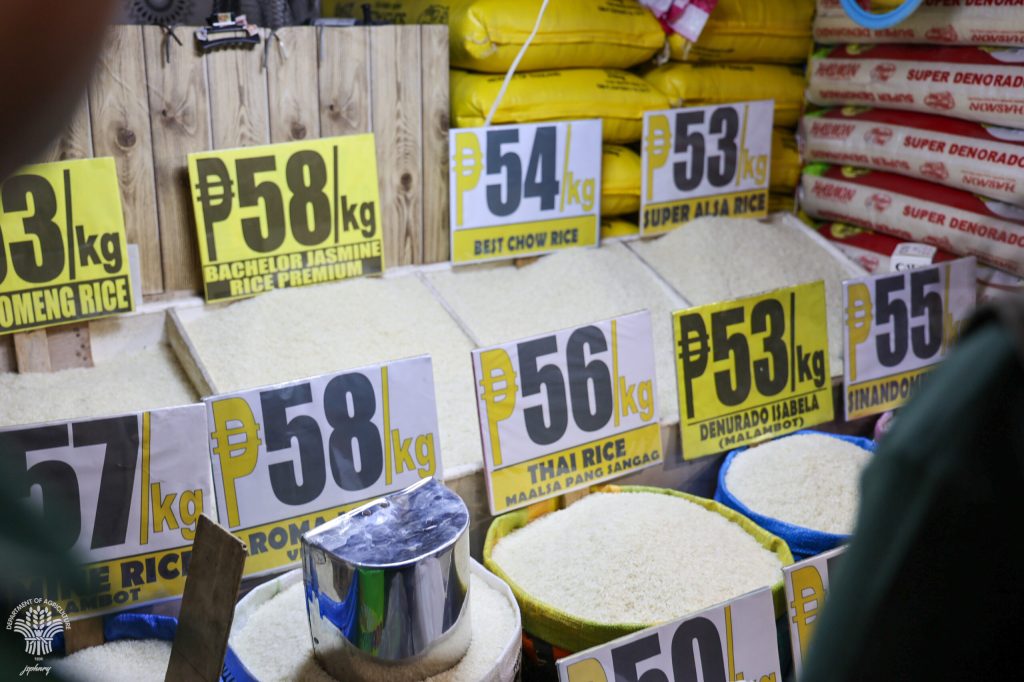
The decline was attributed to continued reductions in food prices, including a 15.9 percent year-on-year drop in the prices of rice and corn, two of the country’s staple commodities.
“Now that we’ve helped lower inflation, the DA’s next challenge is to tackle rice and pork issues to keep food inflation in check,” Tiu Laurel said.
The easing inflation gives the Bangko Sentral ng Pilipinas more room to lower interest rates, which could help spur economic growth and generate jobs.
On July 16, the DA reduced the maximum suggested retail price (MSRP) of 5 percent broken imported rice from P45 to P43 per kilo. This move, combined with President Ferdinand Marcos Jr.’s earlier decision to cut rice import tariffs from 35 percent to 15 percent, helped bring down retail rice prices from over P60 per kilo.
Tiu Laurel added that the government is also addressing persistently high pork prices, which remain elevated due to domestic supply issues linked to African Swine Fever (ASF). He said the administration is aiming to make an ASF vaccine commercially available by the end of the year and is also reviewing pork import policies to help reduce retail pork prices.
President Marcos is also considering suspending rice imports and increasing tariffs to protect local farmers from the impact of excessive importation.



 Republika News
Leave a comment