
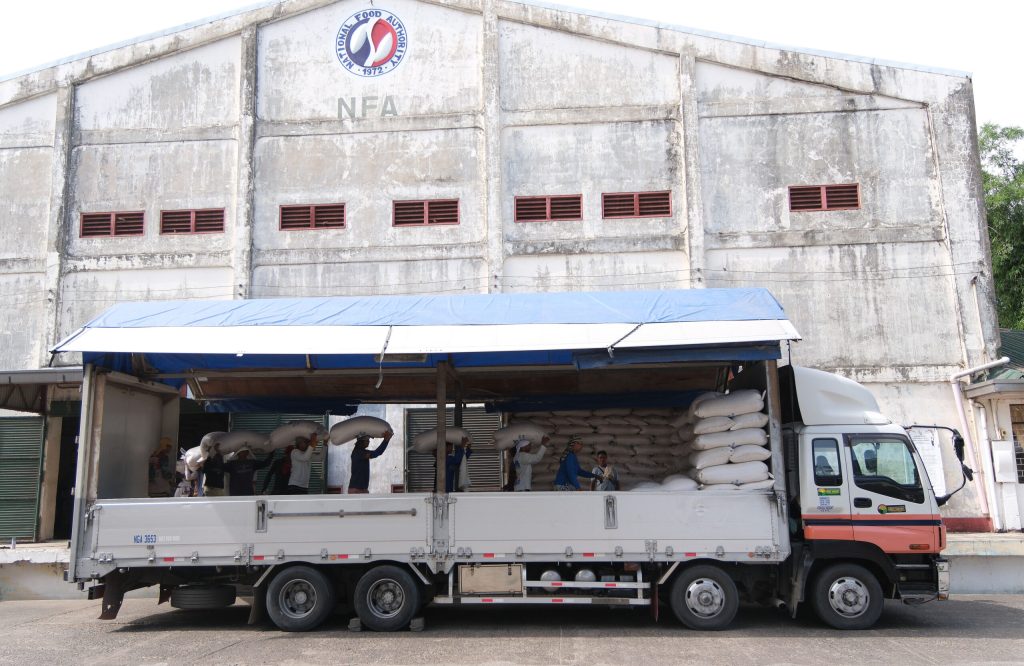
MANILA — The Department of Agriculture (DA) is pushing to restore key regulatory powers of the National Food Authority (NFA) through amendments to the Rice Tariffication Law (RTL), while keeping rice importation under the private sector.
Agriculture Secretary Francisco P. Tiu Laurel Jr. clarified during a Senate Committee on Agriculture hearing that private importers will now share responsibility for maintaining the country’s rice buffer stock.
“They have to have skin in the game,” Tiu Laurel said. “If we aim to have a 20-day rice buffer stock, we’re thinking of a 50-50 split between the NFA and the private sector.”
Under the proposed setup, rice imports will follow a controlled model similar to the Sugar Regulatory Administration’s program, with only qualified importers given allocations. Importers would also be required to source palay from local farmers at fair prices for buffer stocking.
“With the private sector partly doing the buffer stocking, sourcing from local rice farmers, it will also reduce the cost of buffer stocking for government,” Tiu Laurel said.
Currently, the NFA can purchase only about 5 percent of national palay output due to limited warehousing and drying capacity and is confined to stocking rice for emergencies and disaster relief.
Tiu Laurel emphasized the need for regulatory oversight to prevent oversupply, which has depressed farmgate prices. “Rice is a commodity imbued with too much public interest to leave entirely to the private sector,” he said. He also noted that Food Terminal Inc. and Planters Products Inc. could import on behalf of the government if necessary.
The proposed changes aim to balance ensuring affordable rice for consumers with protecting the livelihoods of Filipino rice farmers.


 Republika News
Leave a comment