
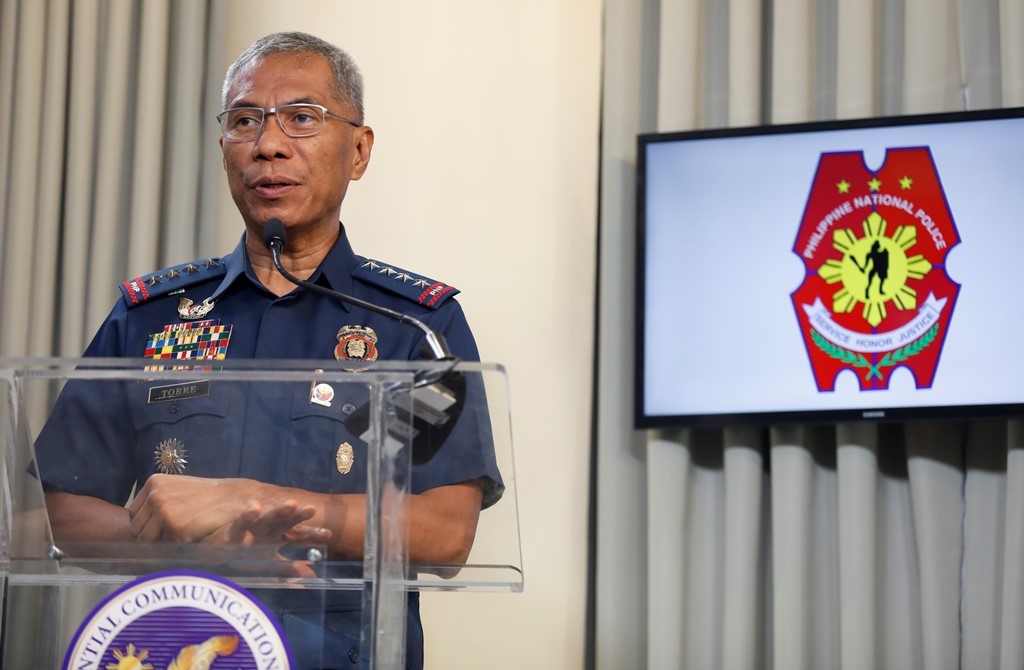
MANILA — Former senator Panfilo “Ping” Lacson and Senate President Pro Tempore Jinggoy Estrada issued separate statements on Tuesday following the relief of Police General Nicolas Torre III as chief of the Philippine National Police (PNP).
Lacson said Torre acted “beyond his authority” when he unilaterally relieved his second-in-command, Police Lieutenant General Jose Melencio Nartatez Jr.
“Normally, the designation (and relief) of the members of the PNP Command Group – Deputy for Administration, Deputy for Operations, and Chief, Directorial Staff – should be cleared with the President or at least the ex-officio Chairman of the National Police Commission (Napolcom), and the Secretary of Interior and Local Government,” Lacson said.
He added that even when former president Joseph Estrada gave him blanket authority to manage the PNP during his time as its chief, he did not exercise absolute authority over the designations of the Command Group.
“Having said that, the relief of P/Gen. Torre is the sole prerogative of the President of the Philippines. What is important at this point is a smooth transition and transfer of command and authority so as not to hamper the overall mission of the PNP to continue maintaining peace and order for the benefit of the people whom they have sworn to ‘serve and protect,’” Lacson said.
For his part, Estrada said Torre’s replacement falls entirely within the President’s discretion.
“The decision to replace Police Gen. Nicolas Torre III as Chief of the Philippine National Police is a prerogative that lies solely with the President. Like any other appointee in the Executive branch, he serves at the pleasure of the President, which means he can be removed at any time,” Estrada said.
“Whatever the reason behind the leadership changes in the police force, I trust that this decision was made with the best interests of the Filipino people in mind,” he added.
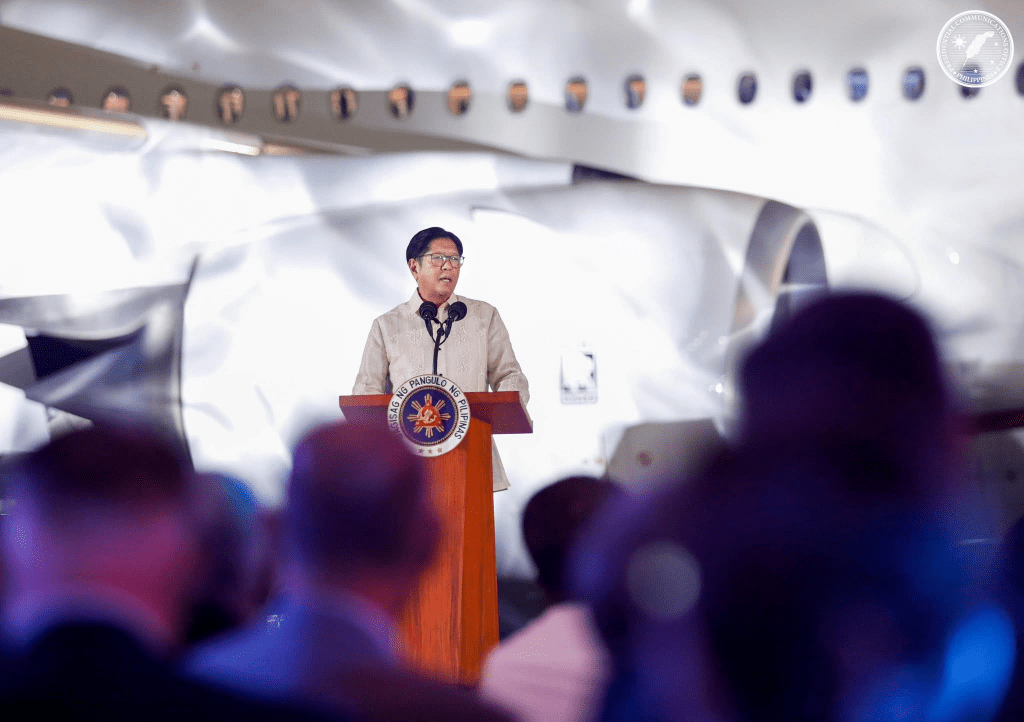
The Palace earlier announced that President Ferdinand Marcos Jr. had made the “difficult but necessary decision” to relieve Torre of his duties, saying the move was in the national interest and intended to uphold the mandate of the National Police Commission (Napolcom).

 Republika News
Leave a comment