

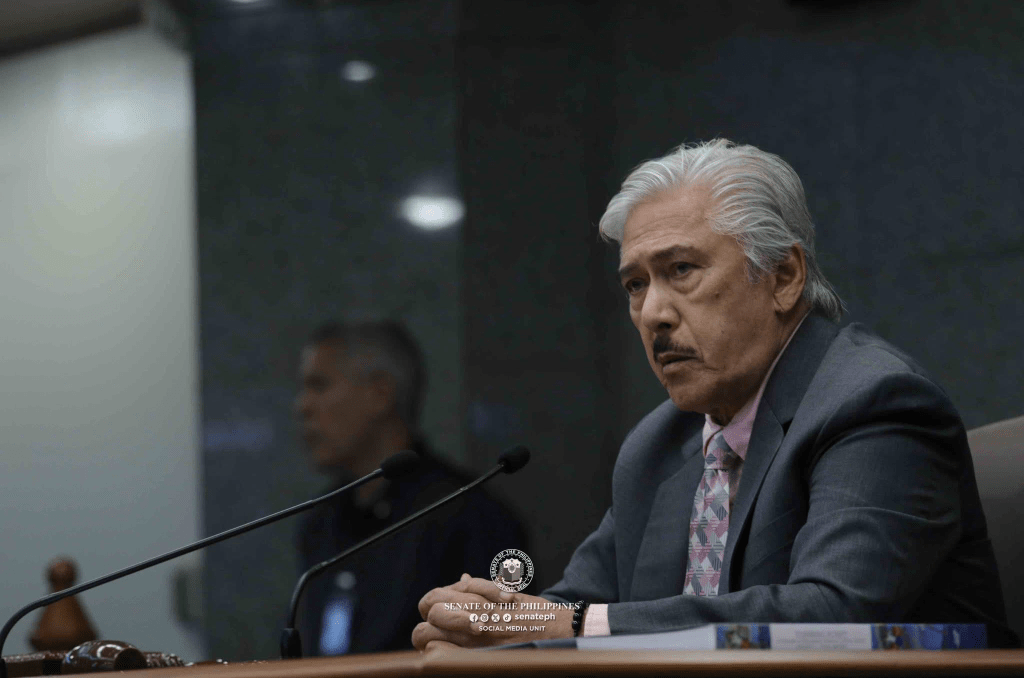
MANILA — Senator Francis “Kiko” Pangilinan is pushing for the inclusion of the Sagip Saka Act in the proposed amendments to the Rice Tariffication Law (RTL) to establish a floor price for palay (unhusked rice), ensuring farmers are protected from production losses and guaranteed a minimum income.
During the second public hearing of the Senate Committee on Agriculture, Food, and Agrarian Reform, which he chairs, Pangilinan said the price assurance would encourage farmers to maintain or increase their planting intentions, helping sustain the country’s rice production levels.
“Ang isa rin aspeto na pwede natin ilagay sa batas would be ‘pag gobyerno ang bumibili because nga gusto natin—the Sagip Saka Act already mandates the direct purchase by government sa agriculture products ng farmers na wala nang public bidding,” he said Wednesday.
“So, siguro doon, we can impose a floor price. Pag gobyerno ang bumibili direkta sa ating mga magsasaka at mangingisda ng palay and other agriculture products may floor price na cost-plus,” he added, noting that the National Food Authority (NFA) can determine the floor price.
The Sagip Saka Act, authored and passed by Pangilinan in 2019, allows government agencies and local government units to directly buy agricultural products from farmers and fisherfolk without public bidding.
Pangilinan cited the model of India, where the government directly purchases from farmers and traders while subsidizing production costs, as relayed to him by Agriculture Secretary Francisco Tiu-Laurel Jr.
He stressed that setting a floor price would ensure farmers receive a price that covers production costs and provides a reasonable profit. Without such safeguards, he warned, farmers risk being forced to sell their produce at unsustainably low prices dictated by traders or volatile market conditions, which could discourage rice production in the long run.
The senator added that the measure would also help shield farmers from market manipulation, such as hoarding or collusion, that could push prices below sustainable levels.



 Republika News
Leave a comment