
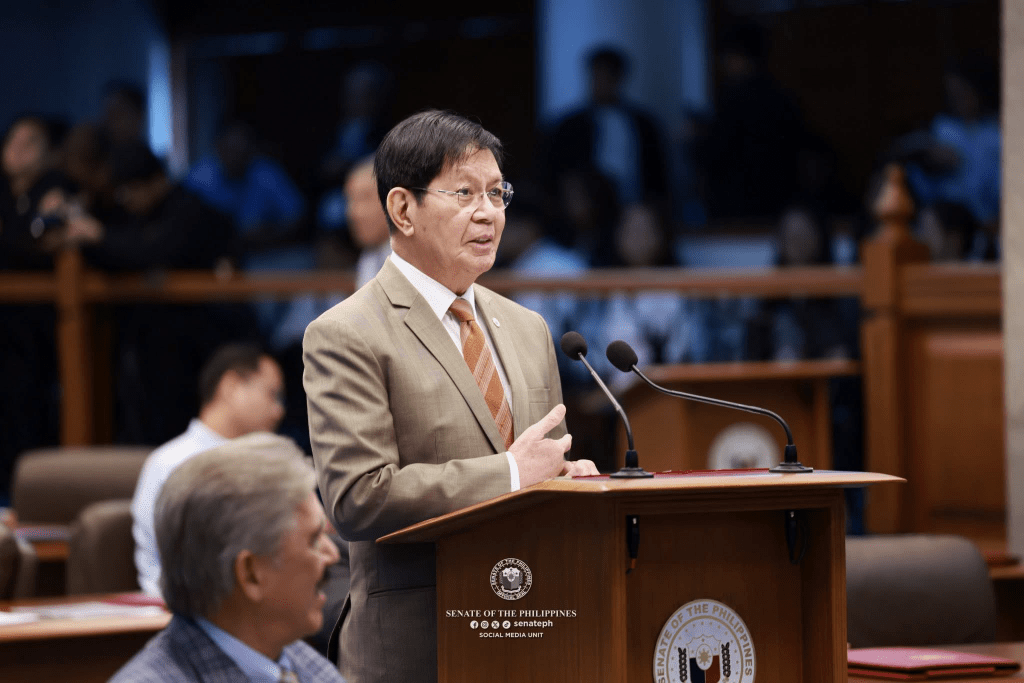
MANILA — Amid a flood of so-called “isolated cases” of anomalous flood control projects, Sen. Panfilo “Ping” M. Lacson pressed for tighter coordination among government agencies to end collusion that enables substandard and ghost projects to thrive.
“Isolated case here, isolated case there, isolated cases everywhere. Maybe we should start looking for an isolated case of a corrupt-free, properly implemented flood control project,” Lacson said in a post on X.
The senator said new reports continue to reach him, supplementing the cases he detailed in his Aug. 20 privilege speech. On Wednesday, he described the Department of Public Works and Highways (DPWH) as a “playground for corruption,” noting that irregularities also involve other agencies such as the Philippine Contractors Accreditation Board (PCAB).
Lacson urged the PCAB to work closely with the Securities and Exchange Commission (SEC) to verify if contractors seeking accreditation are blacklisted.
“Kung ma-check by way of a good record check and background investigation, kung blacklisted at ma-trace, huwag nila i-register as a corporation,” he said during his interpellation.
He added: “Close coordination and cooperation among different agencies of government [is best]. Huwag lang sila mag-collude. Dapat check and balance sa halip na collusion.”
Sen. Risa Hontiveros, in her interpellation, questioned how favored contractors are chosen, how bidding processes are fixed, and how blacklisted firms reemerge by forming new companies. Lacson agreed: “The real culprit is collusion.”
The senator also warned against PCAB’s alleged “accreditation for sale,” citing accounts from private contractors who were asked to pay ₱2 million to fast-track their licensing requirements. PCAB, under the Department of Trade and Industry’s Construction Industry Authority of the Philippines (CIAP), is mandated by Republic Act 4566 to license all contractors before they can do business.
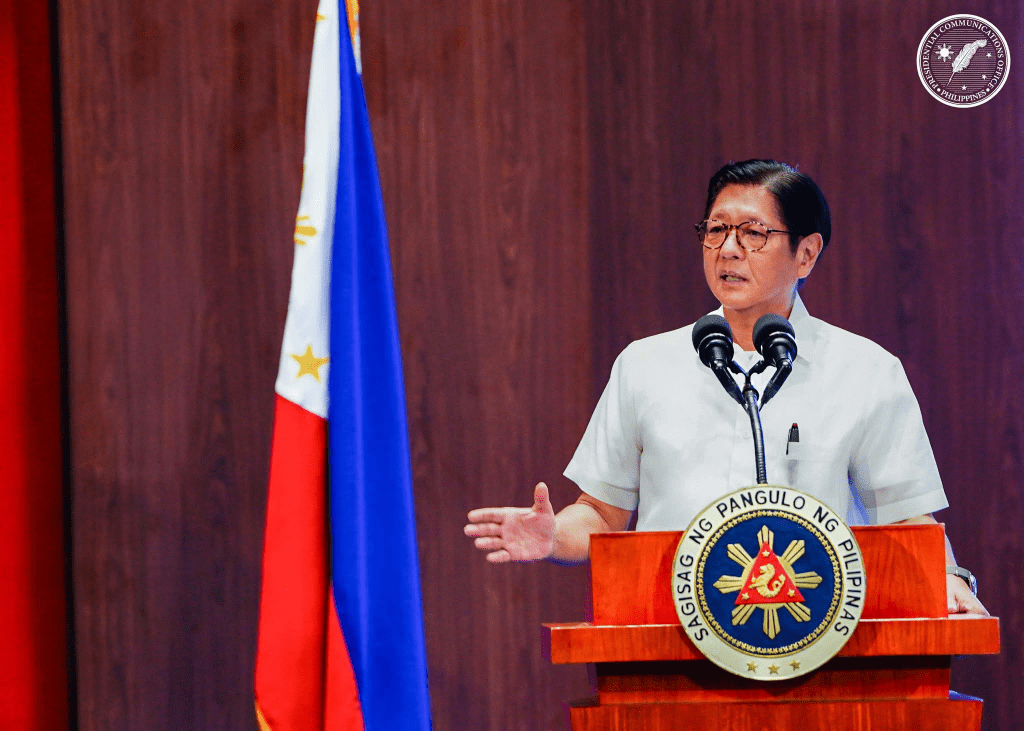
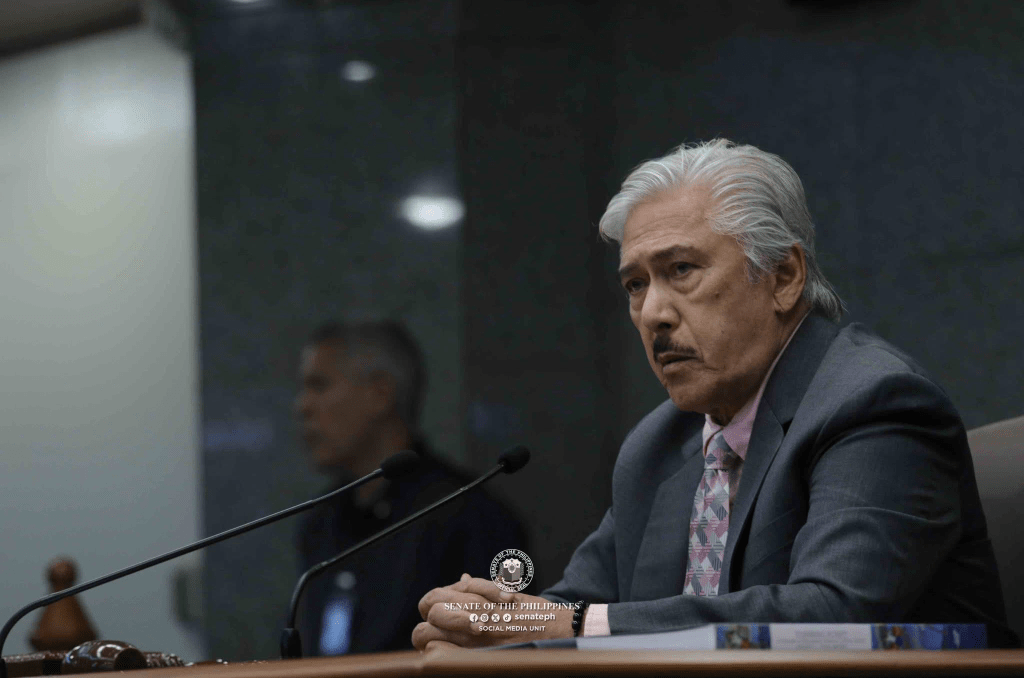
Senate Minority Leader Vicente Sotto III flagged a case where a contractor linked to a ghost project in Bulacan — one inspected by President Ferdinand Marcos Jr. — still managed to renew its PCAB license from 2025 to 2027, allowing it to participate in large government projects.
“It is the PCAB that issues accreditation even to agencies na may kaso sa Court of Tax Appeals, i-renew pa ang accreditation. Single A ang accreditation bibigyan ng malaking project,” Lacson stressed.
Among the reforms proposed: extending the blacklisting period for erring contractors from one year to at least three to five years, placing a cap on the number of projects a contractor can undertake, and updating RA 4566 to address anomalies such as interlocking directorships among corporations bagging flood control projects.
“This is a practice committed by unscrupulous corporations that deal with government, particularly flood control projects,” Lacson said.
As the Senate Blue Ribbon Committee prepares to resume its probe, Lacson underscored the need for strict inter-agency checks: “Dapat check and balance sa halip na collusion.”


 Republika News
Leave a comment