
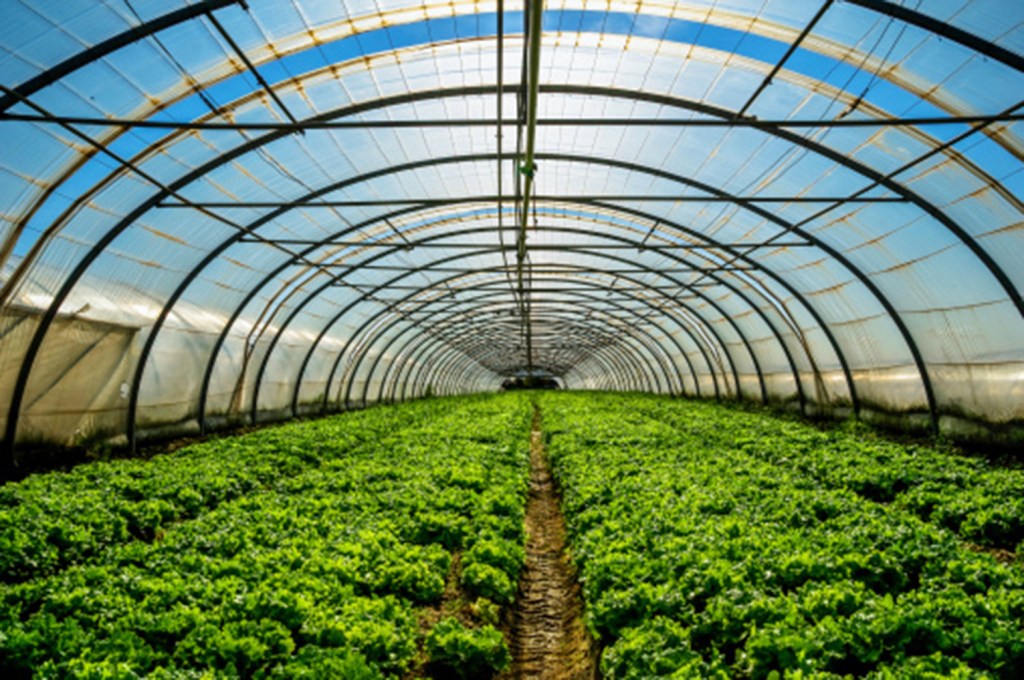
MANILA — The Department of Agriculture (DA) is set to implement a “White Revolution,” a comprehensive agricultural transformation roadmap aimed at ensuring a stable, year-round supply of affordable vegetables and high-value crops.
Agriculture Secretary Francisco P. Tiu Laurel Jr. said the plan will combine conventional farming with protected cultivation systems (PCS) and a demand-driven, market-enabled strategy connected to strategically located food hubs and efficient logistics. The initiative will adopt best management practices, appropriate technologies, and strengthened social networks to ensure sustainability and scalability.
“This is the essence of President Ferdinand R. Marcos Jr’s vision—a modern, climate-resilient, tech-powered agriculture sector that truly supports our farmers while ensuring food security for every Filipino,” Secretary Tiu Laurel said.
A central feature of the White Revolution is the creation of food corridors near urban markets. These zones will include greenhouses, refrigerated storage, and improved post-harvest systems, allowing farmers to grow crops year-round, extend shelf life, and minimize spoilage. The program aims to reduce price volatility and ease inflationary pressures caused by supply disruptions.
Highlighting the urgency, Tiu Laurel cited the impact of climate change, noting that storms and floods in August caused major production losses and disrupted vegetable supply chains. “We cannot afford to rely on good weather anymore. Protected cultivation is no longer optional—it’s a necessity,” he said.
The initiative also seeks to reduce the country’s reliance on imports. In 2024, the Philippines imported USD461.8 million worth of processed vegetables, fruits, nuts, and other plant parts, contributing to an agricultural trade deficit of USD11.71 billion. Officials say even a 10 percent reduction in the deficit could redirect at least P60 billion to local producers.
Undersecretary Cheryl Marie Caballero, who oversees high-value crops, has ordered a full inventory of existing greenhouses under past DA programs to identify facilities suitable for rehabilitation and give the initiative a head start.
The “White Revolution” name is inspired by the white plastic films used in greenhouses, mulch, and tunnels—technologies that revolutionized vegetable farming in South Korea between the 1970s and 1990s. Procurement for infrastructure and equipment is expected to begin by late 2025, with the first food corridors operational by the second half of next year.



 Republika News
Leave a comment