
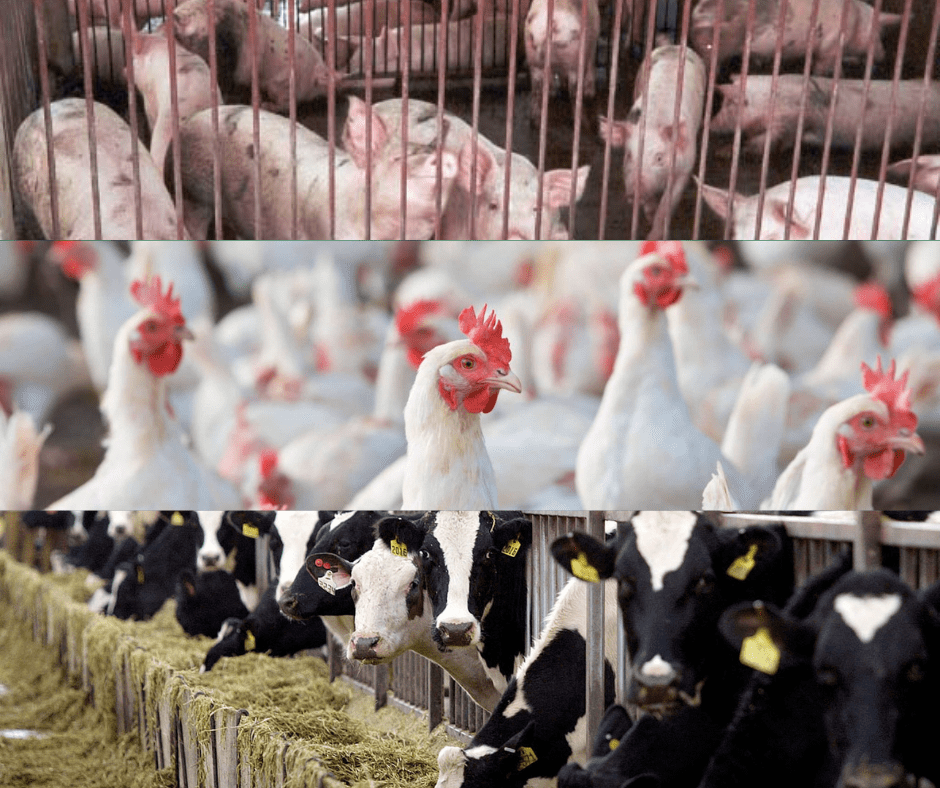
MANILA – Agriculture Secretary Francisco P. Tiu Laurel Jr. said Republic Act 12308, or the Animal Industry Development and Competitiveness Act (AIDCA), will modernize the Department of Agriculture’s livestock, poultry, and dairy programs through a P200-billion allocation over 10 years.
Signed into law by President Ferdinand R. Marcos Jr. on September 25, the measure will take effect by mid-October following its publication in the Official Gazette.
“It is fitting that this long-awaited law to develop the livestock, dairy, and poultry sectors will take effect around the time we celebrate World Food Day on October 16,” Tiu Laurel said. “The future development of these sectors will not only enhance food security, but also attract new investments, improve farmer incomes, and generate more jobs.”
Under the law, the Bureau of Animal Industry (BAI) will be elevated to a line agency of the DA with expanded regulatory powers. The Philippine Carabao Center (PCC) and National Dairy Authority (NDA) will also be strengthened, with broader mandates in biotechnology and vaccine development to address major animal health threats such as African Swine Fever, Newcastle Disease, and Avian Influenza.
The measure creates the Animal Competitiveness Enhancement Fund (AnCEF), which will allocate P20 billion annually from tariff collections. Of this, 26 percent will go to livestock repopulation and herd build-up—70 percent for hogs, 20 percent for poultry, and 5 percent each for native and other animals.
Funds are also earmarked for animal health, climate resilience, and mechanization. These include P1.2 billion for animal health promotion, P1.8 billion for recovery from biosecurity threats, and P7 billion to modernize postharvest facilities such as slaughterhouses and cold storage. Provisions for feed development and affordable credit access are also included.
“This law is more than a funding mechanism—it is a bold commitment to the people who feed our country,” said Tiu Laurel. “It marks a turning point for Philippine agriculture—one that empowers farmers, protects consumers, and prepares our food systems for the future.”




 Republika News
Leave a comment