
MANILA – The Philippines’ headline inflation rate rose to 1.7 percent in September 2025 from 1.5 percent in August, reflecting higher prices in food, transport, and services, according to the Philippine Statistics Authority (PSA).
This brings the national average inflation for January to September 2025 also to 1.7 percent, slightly lower than the 1.9 percent recorded in September 2024.
The increase in headline inflation was primarily driven by a rise in the transport index, which moved up 1.0 percent from an annual decline of 0.3 percent in August. Food and non-alcoholic beverages also contributed, rising 1.0 percent from 0.9 percent, while restaurants and accommodation services increased 2.4 percent from 2.3 percent.
Other commodity groups showed slower inflation, including alcoholic beverages and tobacco (4.1% from 4.2%), health (2.8% from 2.9%), and personal care and miscellaneous goods (2.4% from 2.5%). Housing, water, electricity, gas, and other fuels contributed the largest share to headline inflation at 0.4 percentage points, followed by food and non-alcoholic beverages (0.4 percentage points) and restaurants and accommodation services (0.2 percentage points).
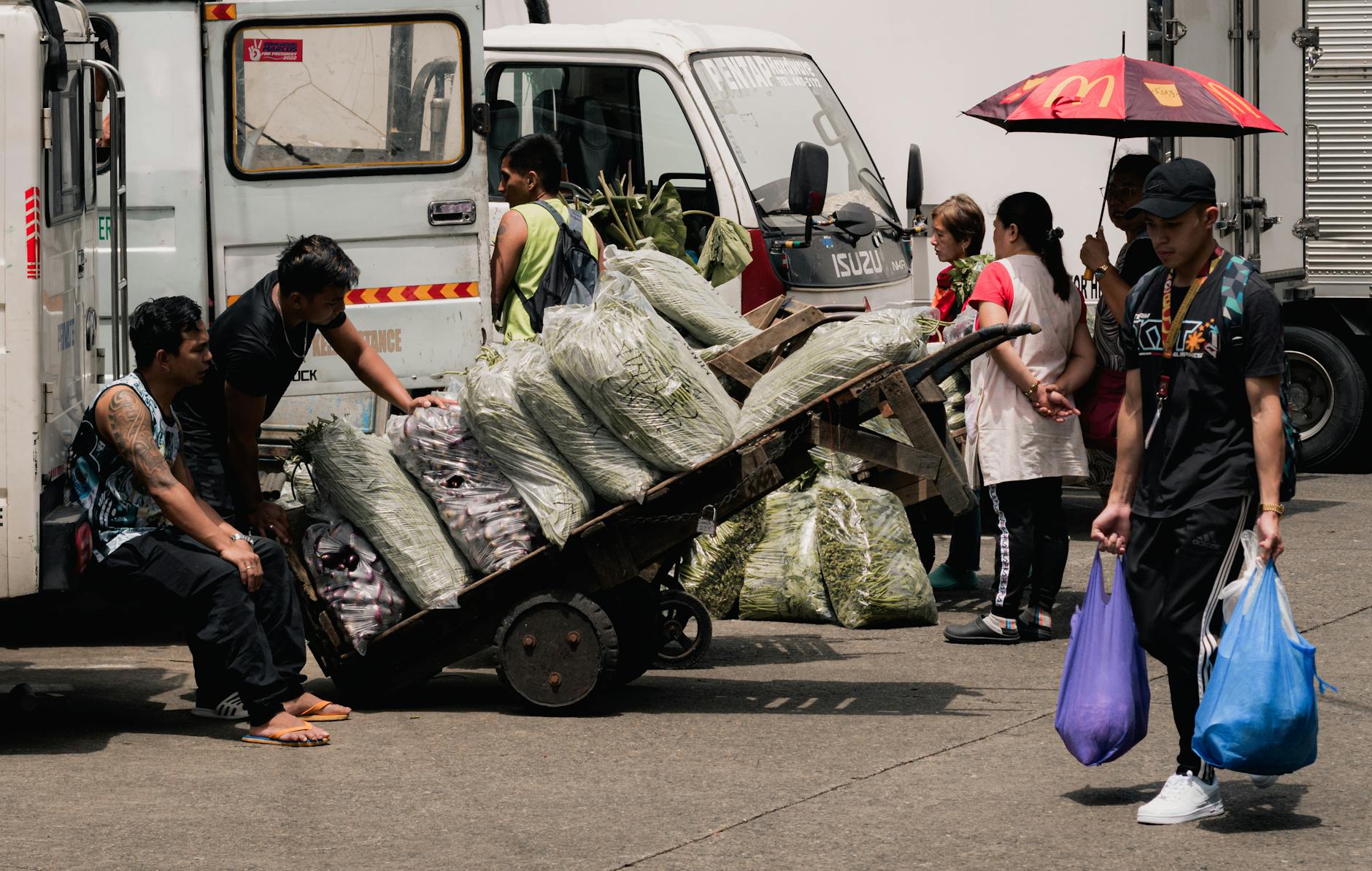
Food inflation at the national level accelerated to 0.8 percent in September from 0.6 percent in August, mainly due to a faster rise in vegetables, tubers, plantains, cooking bananas, and pulses (19.4% from 10.0%). Oils and fats also increased faster, while rice and corn recorded slower declines. Conversely, meat, fish, dairy, and fruits showed smaller annual price increases. Food contributed 0.3 percentage points or 16 percent of overall inflation, with vegetables, fish, and meat as top contributors.
Core inflation, which excludes volatile food and energy items, slowed to 2.6 percent from 2.7 percent in August 2025.
Regional trends
In the National Capital Region (NCR), inflation eased to 2.7 percent from 2.9 percent in August, driven by slower price growth in food and utilities. Prices of clothing, furnishings, health services, and recreation, however, recorded faster annual increases.
Outside NCR, inflation rose to 1.5 percent from 1.1 percent, mainly due to faster increases in food (0.7% from 0.3%) and transport (1.1% from -0.2%). Housing and utilities also contributed to the upward trend. Central Visayas posted the highest inflation outside NCR at 4.1 percent, while the Bangsamoro Autonomous Region in Muslim Mindanao recorded the fastest annual decline at 1.5 percent.
The PSA data indicate that while overall inflation remains moderate, rising costs of food, transport, and housing are key factors shaping price movements across the country.




 Republika News
Leave a comment