
MANILA – The Bangko Sentral ng Pilipinas (BSP) projects the country’s headline inflation for October 2025 to settle within the range of 1.4 to 2.2 percent, as price pressures from food and utilities are expected to persist despite lower global oil and meat prices.
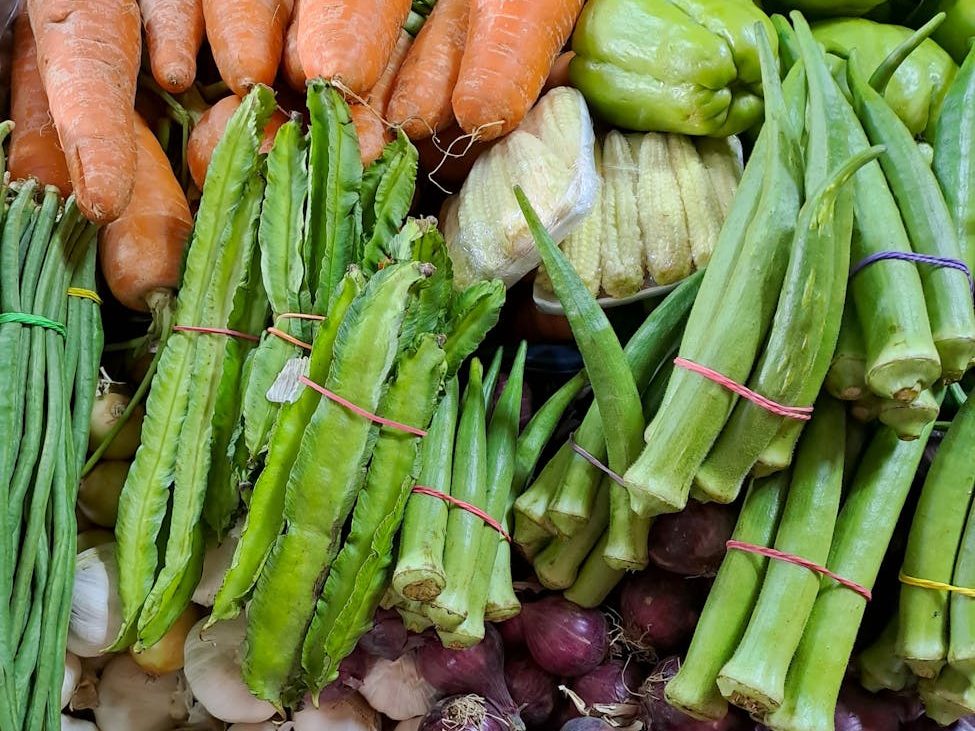
In a statement on Thursday, the BSP said the upward pressures on inflation for the month may stem from higher prices of rice, fish, vegetables, and electricity, as well as the depreciation of the peso. These could be partially offset by declines in oil, meat, and fruit prices.
The BSP said it will continue to monitor both domestic and international developments affecting the inflation and growth outlook “in line with its data-dependent approach to monetary policy formulation.”
The projection follows data from the Philippine Statistics Authority (PSA) showing that the country’s headline inflation in September 2025 rose slightly to 1.7 percent from 1.5 percent in August, reflecting higher prices in food, transport, and services.
This brought the average inflation from January to September 2025 to 1.7 percent, slightly lower than the 1.9 percent recorded in the same period last year.
The PSA said the uptick was mainly driven by the transport index, which increased by 1.0 percent after a 0.3 percent decline in August, and by higher prices of food, non-alcoholic beverages, and restaurant services.
Meanwhile, core inflation, which excludes volatile food and energy items, eased to 2.6 percent from 2.7 percent in August.
At the regional level, inflation in the National Capital Region (NCR) slowed to 2.7 percent, while areas outside NCR posted a higher rate of 1.5 percent. Central Visayas recorded the highest inflation among regions at 4.1 percent, while the Bangsamoro Autonomous Region in Muslim Mindanao (BARMM) registered the steepest annual decline at 1.5 percent.
The BSP’s latest forecast suggests that while inflation remains within manageable levels, rising food and electricity costs continue to pose challenges, requiring close policy vigilance in the months ahead.




 Republika News
Leave a comment