
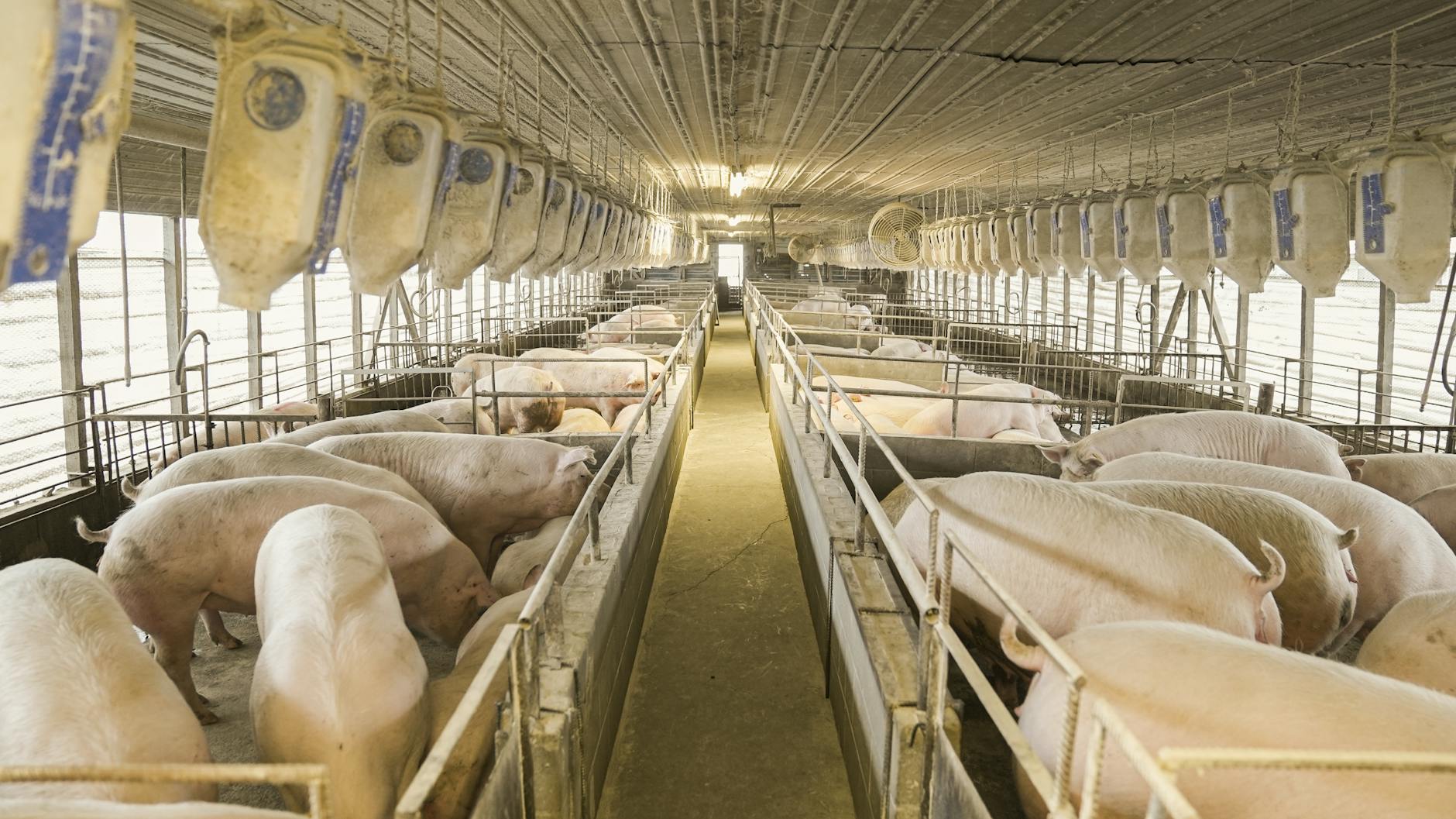
MANILA — The Department of Agriculture (DA) and local hog producers have agreed to set a minimum farmgate price of P210 per kilo for live hogs, in a move to help the local swine industry recover from mounting financial losses.
The agreement was reached during a meeting on Tuesday between Agriculture Secretary Francisco P. Tiu Laurel Jr. and representatives from the Samahang Industriya ng Agrikultura (SINAG), National Federation of Hog Farmers Inc. (NFHFI), and the Pork Producers Federation of the Philippines (PROPORK).
Local producers warned that farmgate prices had dropped to ₱150 to ₱180 per kilo, barely enough to cover production costs for backyard and commercial raisers.
“Farmgate prices have fallen sharply, yet consumers haven’t felt any relief,” Tiu Laurel said. “During my market visits, I’ve seen liempo still selling for around ₱400 a kilo.”
Aside from setting a price floor, the DA and industry groups will also recommend restoring the pork import tariff to 40 percent from the current 25 percent under Executive Order 62.
“Lower import duties have encouraged over-importation,” Tiu Laurel warned. “This has flooded the market, squeezed local producers, and endangered both our food security and farmers’ livelihoods.”
Jayson Cainglet, SINAG executive director, welcomed the DA’s support, saying, “What is happening now to our local hograisers is similar to the predicament facing our rice farmers that is bearing the brunt of excessive imports. We thank the DA for heeding the call of the local hog industry to revert pork tariffs to its original rate.”
The DA also plans to reinstate a maximum suggested retail price (MSRP) for pork, to be determined carefully to balance profitability across the supply chain and consumer protection.
The agency will issue an administrative order to reclassify pork jowls, currently treated as offal, so they can be levied a higher tariff. Demand for jowls, a cut popular in Korean barbecue (samgyupsal), has grown among meat processors.
Tiu Laurel has also directed the Agribusiness and Marketing Assistance Service (AMAS) and the National Meat Inspection Service (NMIS) to intensify market monitoring to ensure transparency and fair trade. Supermarkets must clearly label frozen meat products and avoid misrepresenting them as fresh, while retailers selling frozen items are required to maintain proper chillers and freezers.
The DA said these measures aim to stabilize pork prices, protect local producers, and safeguard consumers amid persistent volatility in the market.


 Republika News
Leave a comment