
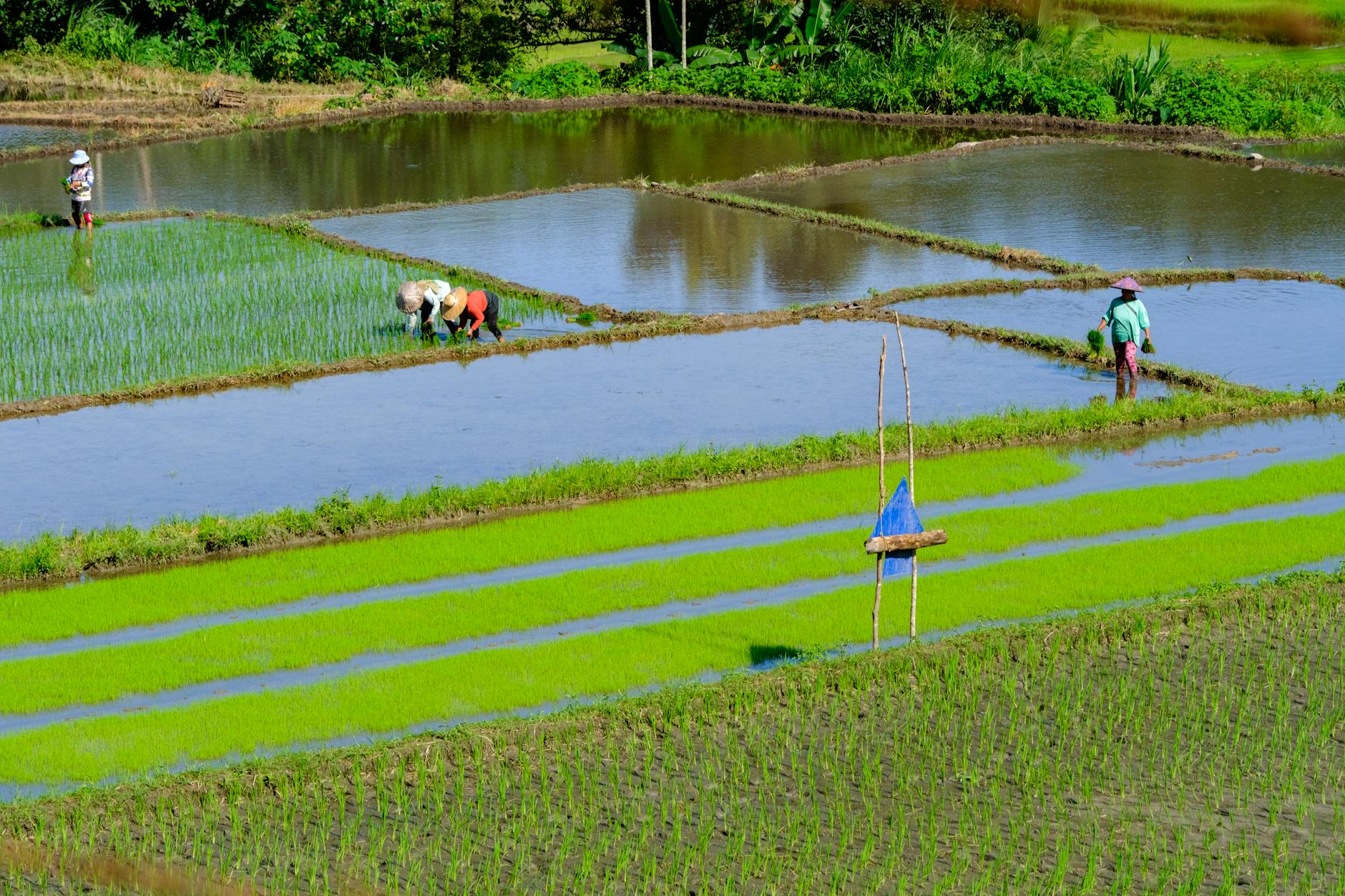
MANILA — Senator Francis “Kiko” Pangilinan and several government agencies held a meeting on the implementation of Sagip Saka Act.
Agriculture Secretary Francisco “Kiko” Tiu Laurel Jr., Agrarian Reform Secretary Conrado Estrella, Quezon Representative and House Committee on Agriculture and Food Chairperson Mark Enverga, National Food Authority (NFA) Administrator Larry Lacson, Zamboanga del Norte Governor Darel Dexter Uy, and Food Terminal Inc. (FTI) Board Member Joseph Rudolph Lo held a joint press conference on Thursday following a briefing on the Public-Private Partnership (PPP) framework for the implementation of Sagip Saka.
The executive and legislative branches have begun implementing the recently issued twin Executive Orders—EO No. 100, which establishes the floor price of palay and provides trigger mechanisms for its implementation, and EO No. 101, which directs the full implementation of Republic Act No. 11321 or the Sagip Saka Act.
Pangilinan, who authored the Sagip Saka Act, said a Steering Committee has been formed to oversee its full implementation.
“Nag create ng isang Steering Committee ‘yung EO na pinamumunuan ng ating magiging Chairman na Secretary ng Agriculture, the committee will be Co-Chaired by the DILG, and then you have the DTI, NFA, DAR, and DSWD. Sila ang mag ooversee ng full implementation na ito,” Pangilinan said.
“Basta agri products, walang exemption, lahat ‘yan included: fish, dried fish, gulay, baboy, baka, lahat ‘yan pwe-pwedeng bilhin ng walang public bidding,” he added.
The extension of the rice import ban, alongside the twin EOs, is expected to stabilize farmers’ and fisherfolk’s income and promote greater public support for local agricultural products.
By backing local production, Pangilinan said the government is strengthening the goal of self-sufficiency and food security, reducing import dependence, and promoting inclusive agricultural growth.
Pangilinan also called on all national government agencies and local government units to issue their respective department orders to synchronize the implementation of the law.
“Ang panawagan natin sa lahat ng departamento na mayroong food programs, feeding programs, and calamity relief ay maglabas ng kanya-kanyang department order para sa full implementation ng batas na ito — para in sync lahat: DOH, DSWD, DILG, AFP, and PNP,” Pangilinan said.
Addressing questions about EO 100’s lack of a fixed floor price, Pangilinan clarified that the transitory provision allows immediate implementation while specific guidelines are being finalized.
He cited Section 9, which states that “upon effectivity of this Order, and pending the issuance of the guidelines to be issued by the Steering Committee, the floor price of palay shall be based on the current regional floor price computation of the NFA.”
“Ano ba ‘yung minimum floor price kapag bibili ‘yung gobyerno sa ating magsasaka? Sabi ng EO: base sa NFA determination ng floor price. Ang floor price ‘pag bumili ang local governments at ang national government ng palay, depende sa lugar, price range ay kung fresh 17–23 pesos kada kilo at kung clean and dry, ang range ay 23–30 pesos kada kilo,” Pangilinan said.
He said these executive orders mark the beginning of sustained government support for Filipino farmers.
“Alam ko na this is a product of the cooperation between the Executive and Legislative department which would not have been possible without the support of Malacañang, DA, DAR, Senate, House, and Local Governments,” Pangilinan said.
“Kaya talagang this is a team effort and team work works,” he added.

 Republika News
Leave a comment