
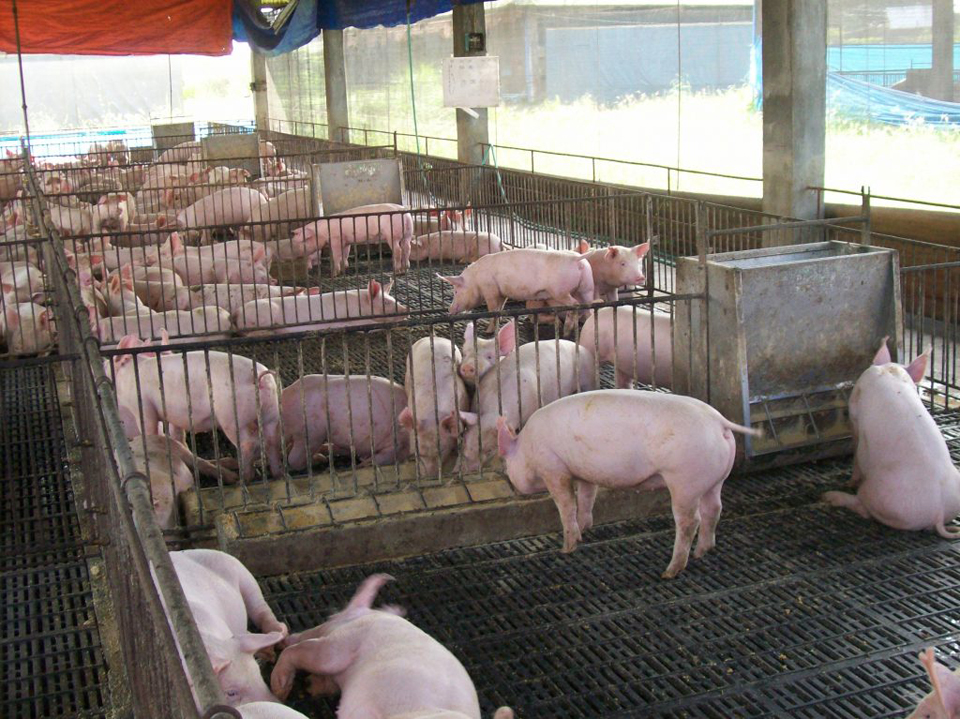
MANILA — Agriculture Secretary Francisco P. Tiu Laurel Jr. has released new guidelines aimed at strengthening the Philippines’ defenses against African Swine Fever (ASF) while allowing safe importation of swine and pork products.
Outlined in Administrative Circular No. 12, the rules introduce ASF regionalization, which recognizes ASF-free zones within accredited exporting countries in accordance with World Organisation for Animal Health (WOAH) standards.
“The government has been actively working to recover from ASF through a national zoning and movement plan, identifying areas already disease-free. This highlights the importance of science-based monitoring, regionalization for ASF freedom, and adherence to WOAH guidelines for safe swine trade,” Secretary Tiu Laurel said.
Only Department of Agriculture-accredited countries may apply for ASF regionalization recognition. Exporting countries’ Competent Veterinary Authority must submit detailed reports on ASF surveillance, control measures, and the boundaries of ASF-free regions.
The Bureau of Animal Industry (BAI), through its Risk Import Assessment Team, will conduct a six-month technical review to verify compliance with DA and international standards. After evaluation, the BAI notifies the exporting country of the results. Approved applications include a draft ASF Regionalization Agreement covering animal health requirements and import terms, as well as a Veterinary Health Certificate template.
Bilateral recognition begins once both countries’ Chief Veterinary Officers sign the agreement and the DA issues a Memorandum Order. Commodities under the DA’s existing export accreditation remain eligible, and exporting countries must submit annual ASF status reports detailing surveillance, monitoring, and control efforts.
Live swine must show no clinical ASF signs, come from ASF-free regions, and avoid restricted zones during transport. Swine products must come from ASF-free regions, be transported directly to approved slaughterhouses in sealed vehicles, and undergo ante- and post-mortem inspections with favorable results, following WOAH standards.
The circular mandates a review after two years to ensure the rules remain relevant and effective. Any previous circulars or rules inconsistent with the new order are repealed or modified.
Secretary Tiu Laurel said the new order balances food security with strict animal health safeguards, protecting local producers while allowing responsible, science-based trade, and underscoring the DA’s commitment to preventing ASF outbreaks without disrupting international commerce.



 Republika News
Leave a comment