

MANILA — The Supreme Court (SC) has ruled that the House of Representatives’ inquiry into the spread of fake news online did not violate the right to free speech of vloggers who were invited as resource persons.
In a decision penned by Associate Justice Amy C. Lazaro-Javier, the SC En Banc dismissed the petition filed by Ernesto S. Abines Jr. and others seeking to stop the House from requiring their attendance at legislative inquiries related to their social media posts.
The case stemmed from privilege speeches delivered by Representative Robert Ace S. Barbers, who raised concerns over a group allegedly spreading misinformation and launching coordinated online attacks against public officials. Barbers referred to the group as “paid trolls” and “malicious vloggers,” calling for accountability and justice for victims of online harassment.
Following his speeches, the House Committees on Public Order and Safety, Information and Communications Technology, and Public Information held a joint inquiry into the issue.
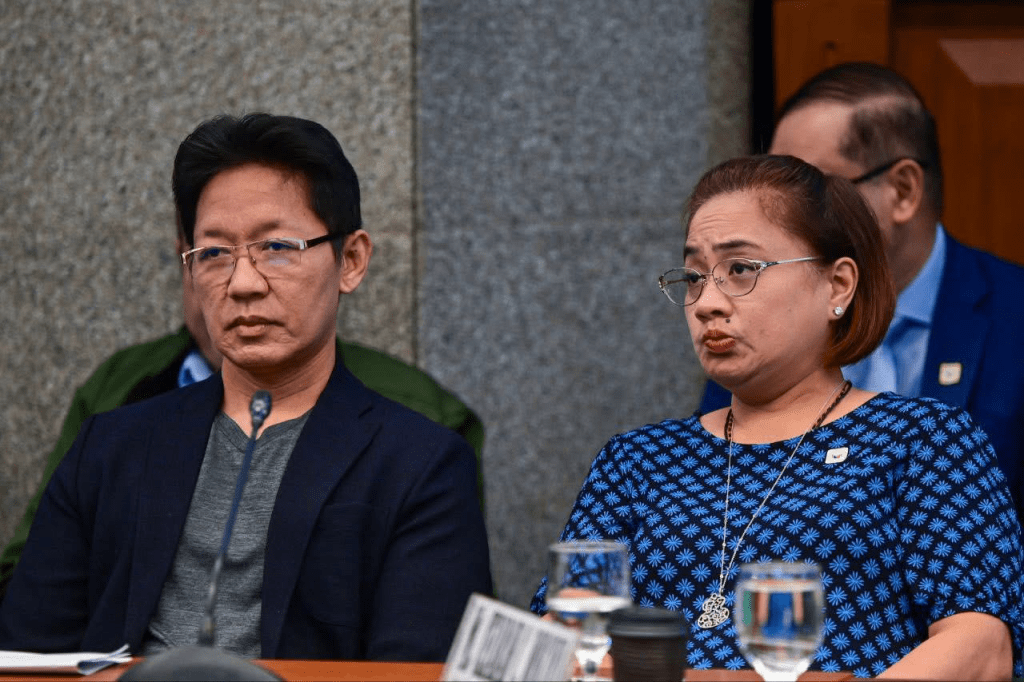
The vloggers, who were invited as resource persons, argued that the hearings violated their freedom of speech and expression. They claimed the proceedings sought to silence them and regulate their content, creating a chilling effect on free expression.
The SC disagreed, ruling that the vloggers’ constitutional rights were not infringed upon. The Court said the invitation to attend the hearings did not amount to censorship or punishment, but was instead part of Congress’ mandate to gather information in aid of legislation.
“The invitation did not regulate what they said or how they expressed themselves. Congress, as part of its functions, only wanted to gather information for crafting laws, not to punish anyone for spreading ‘fake news’ or to suppress speech,” the decision read.
The Court emphasized that Congress cannot be barred from inviting resource persons simply because the inquiry involves speech, as it has the authority to enact laws addressing unprotected forms of expression, such as those threatening public order.
It also ruled that Barbers’ privilege speeches did not curtail free speech since these were delivered in his official capacity to address the growing problem of disinformation that harms both public officials and citizens.
Citing the dangers of false information, the Court stressed that the House acted within its authority when it sought to examine how to address misinformation that “degrades trust among the people and threatens the stability and reliability of day-to-day transactions.”
However, the SC reminded lawmakers that such inquiries must remain in aid of legislation, comply with published rules, and respect the rights of resource persons and witnesses. It noted that while the House Tri-Committee met these requirements, some lawmakers’ questioning during the hearings was “unduly harsh or demeaning.”
“The resource speakers are entitled to their constitutional rights and should be treated with courtesy and respect during legislative inquiries,” the Court said.
In a separate concurring opinion, Senior Associate Justice Marvic M.V.F. Leonen said the petition had become moot as the House hearings had already concluded. However, he agreed that the inquiry served a legitimate legislative purpose—addressing the deliberate and malicious spread of false information in the age of social media.
 Republika News
Leave a comment