
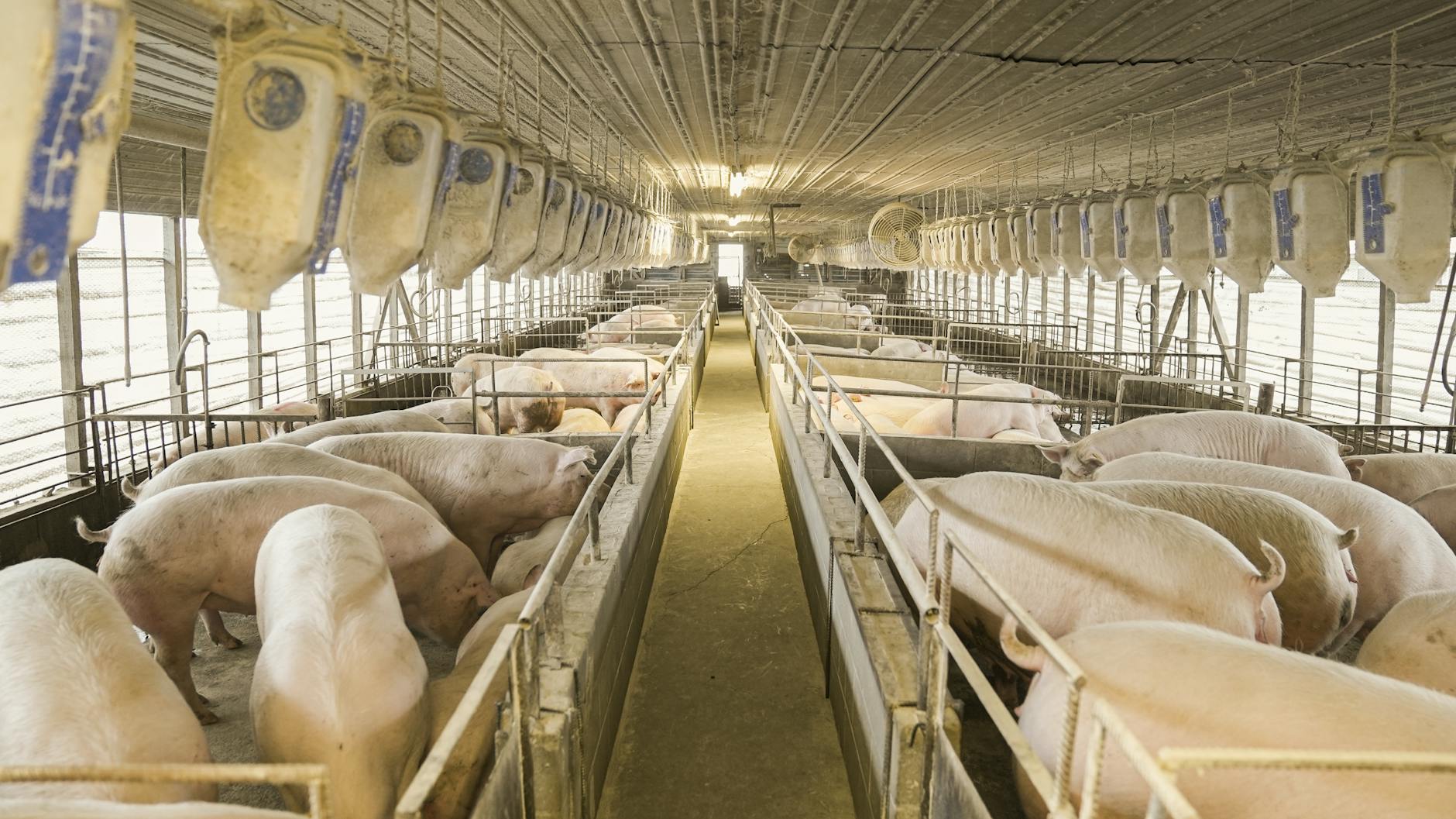
MANILA — Agriculture Secretary Francisco P. Tiu Laurel Jr. has welcomed Charoen Pokphand Foods Philippines Corp.’s (CPF) five-year, USD1-billion expansion plan to ramp up hog production and help restore the country’s swine population to pre–African Swine Fever (ASF) levels by 2028.
“This CPF expansion aligns perfectly with President Marcos Jr.’s vision of a zero-kilometer food system—producing food where it’s needed—and advancing agricultural investment to create jobs and ensure food security,” Tiu Laurel said, encouraging CPF to consider building facilities near major tourist destinations to help reduce food costs.
Under the plan presented by CPF Executive Vice President Sakol Cheewakoset, the company is eyeing nine agro-industrial complexes nationwide—each spanning about 20 hectares and housing both feed production and hog processing facilities. Each complex is estimated to cost around USD125 million.
CPF expects each feed plant to produce 10,000 tons per month, supported by corn output from roughly 5,000 hectares of farmland. The company aims to raise its hog production capacity from 1.3 million heads today to 7 million by 2030—including 4.8 million in Luzon, 1 million in the Visayas, and 1.2 million in Mindanao.
The Philippines’ swine population dropped from 13 million to 8 million heads after ASF outbreaks began in 2019. The Department of Agriculture’s repopulation plan includes ASF vaccination and breeder distribution, targeting full recovery within the next three years.
President Ferdinand R. Marcos Jr. recently signed the Animal Industry Development and Competitiveness Act, which provides ₱20 billion annually for the next decade to develop the livestock, poultry, and dairy sectors, with nearly 20 percent earmarked for hog repopulation.
CPF’s investment marks a significant boost for the local pork industry—focusing on farm modernization, disease resilience, and stronger partnerships with local producers.
For the DA, the expansion reflects the kind of private-sector collaboration necessary to achieve sustainable recovery and long-term growth in the country’s hog industry—one of the pillars of the national food supply and rural livelihood.



 Republika News
Leave a comment