
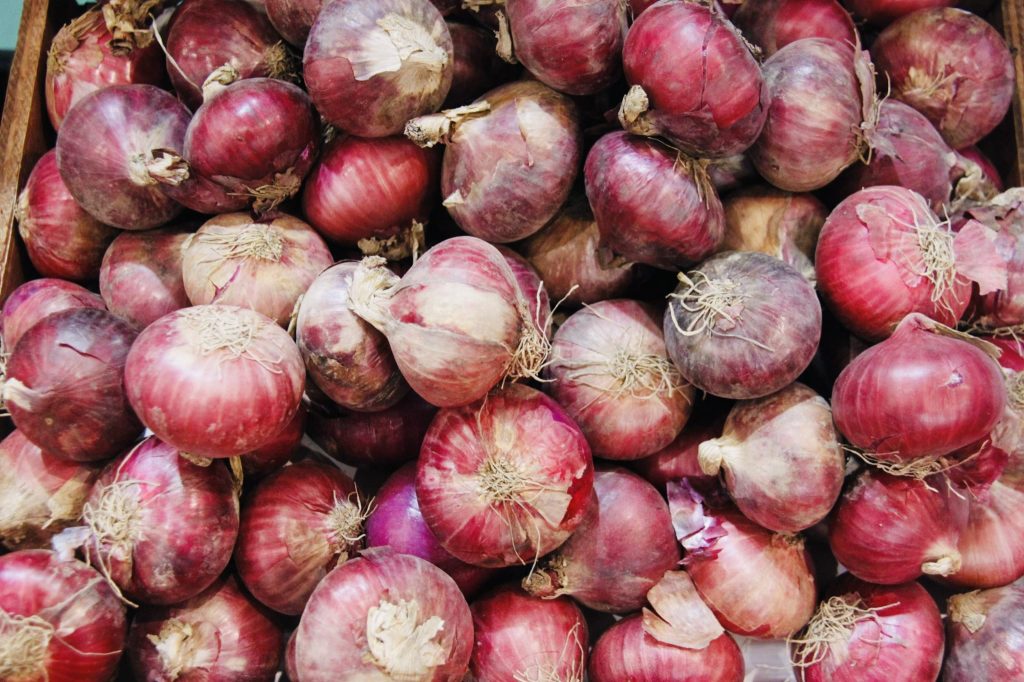
MANILA — The Department of Agriculture–Bureau of Plant Industry (DA-BPI) has directed onion importers to explain the slow utilization of permits for red onion shipments, a lag officials say is contributing to soaring retail prices ahead of the holiday season.
Vegetable vendors report that tight supply has pushed red onion prices above P300 per kilo, stirring consumer frustration as demand typically rises toward Christmas.
“We want to know the status of those import permits—if they plan to use them. If not, we will cancel the permits and award them to other importers to ensure sufficient domestic supply, especially at this time of year,” Agriculture Secretary Francisco P. Tiu Laurel Jr. said.
He added that President Ferdinand Marcos Jr. had instructed the agency to maintain adequate supply to stabilize prices and prevent a repeat of previous shortages that drove up food costs.
Tiu Laurel said unused import permits will be cancelled and redistributed to other importers, including the Food Terminal Inc., to fast-track the entry of onions and ease supply tightness. The landed cost of onions shipped from China stands at around P60 per kilo.
The DA earlier issued Sanitary and Phytosanitary Import Clearances (SPSICs) for 69,040 metric tons (MT) of red onions and 42,261 MT of yellow onions. So far, the BPI has granted 1,202 SPSICs for red onions and 751 for yellow onions.
However, usage data shows a pronounced discrepancy. From August to November 20, importers used 443 permits covering 21,145 MT, mostly for yellow onions. In contrast, only 192 red onion SPSICs have been used, bringing in 12,824 MT from September to November 20.
All SPSICs must be used by January 15, 2026, a deadline set to prevent hoarding of clearances that could manipulate supply. The timing also aims to ensure imported onions do not overlap with the domestic harvest, which could depress farm-gate prices and hurt growers.
Monthly consumption underscores the urgency, with demand at about 4,000 MT for yellow onions and 17,000 MT for red onions.
BPI Director Gerald Glenn Panganiban said he has ordered intensified market monitoring, noting that warehouse reports show low farm-gate and wholesale prices—conditions that should not justify the steep retail spikes.
He said the BPI is coordinating with the DA Inspectorate and Enforcement Office and the Agribusiness and Marketing Assistance Service to sustain market surveillance and ensure stable supply, fair pricing, and food safety.




 Republika News
Leave a comment