

MANILA — The Bureau of Immigration (BI) intercepted a 35-year-old woman from Sulu who attempted to leave the country using what appears to be a “shared identity,” a form of identity theft that the agency says remains a recurring issue among aspiring overseas workers from remote provinces.
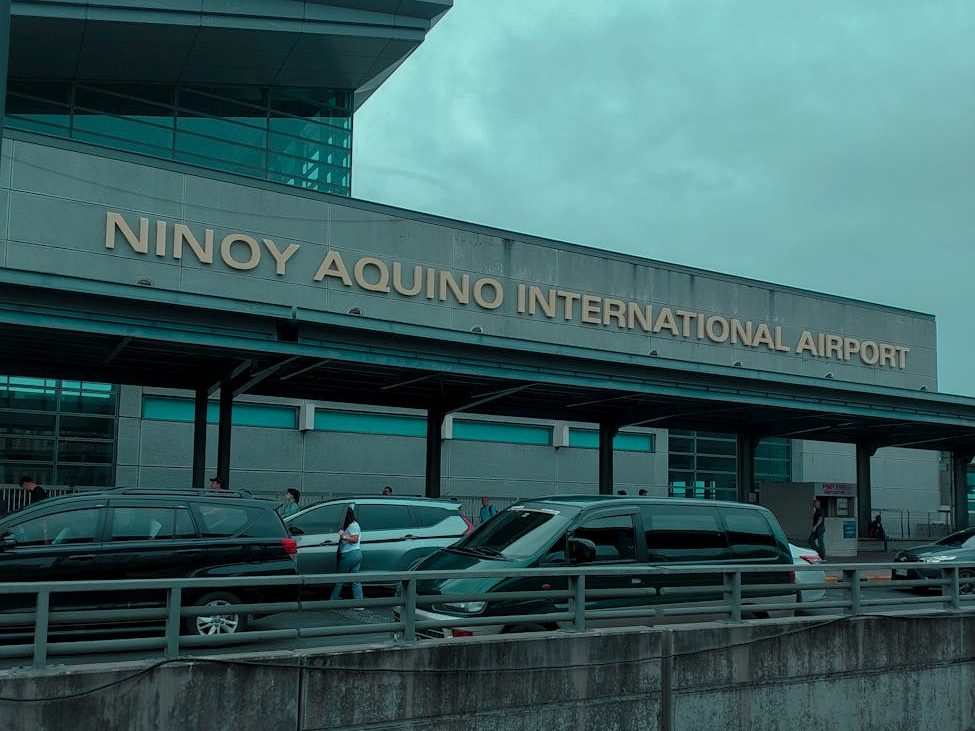
The passenger was barred from departing last November 24 at Ninoy Aquino International Airport (NAIA) Terminal 3 while trying to board an AirAsia flight to Kota Kinabalu, Malaysia. She was turned over to the Inter-Agency Council Against Trafficking (IACAT) after BI officers discovered several inconsistencies during inspection.
During initial processing, the woman said she could not write and needed assistance completing her travel form. She claimed she was traveling to Malaysia to marry her partner, a Malaysian national.
However, officers noted a suspicious 2020 Philippine departure stamp on her passport, which was later verified as counterfeit. Further checks showed that her alleged travel history did not match official records. She admitted to leaving the country through an illegal migration route in 2019. While her passport and birth certificate were genuine, the facial image on her passport did not match the biometric records in the BI system, and previous travel entries under her name bore a different image.
Authorities said these findings indicate she was using an assumed or “shared” identity, in which individuals borrow or interchange documents with relatives, often believing resemblance or family ties can bypass formal travel requirements.
“This is not the first time we have seen ‘shared identity’ cases,” BI Commissioner Joel Anthony Viado said. “Some individuals, especially from remote areas, mistakenly believe they can share passports or personal documents with relatives to facilitate travel. What they do not realize is that this is identity theft, a serious offense that can lead to criminal charges, and possible long-term harm to the real document owner.”
Viado emphasized that the BI’s modernized systems make identity manipulation easier to detect and urged the public to stop participating in practices involving borrowed or shared documents.
“Using someone else’s identity, or allowing others to use yours, puts you and your family at risk. Our officers are trained and equipped to detect impostors, and we will continue to stop individuals attempting to travel under fraudulent circumstances,” he added.

 Republika News
Leave a comment