
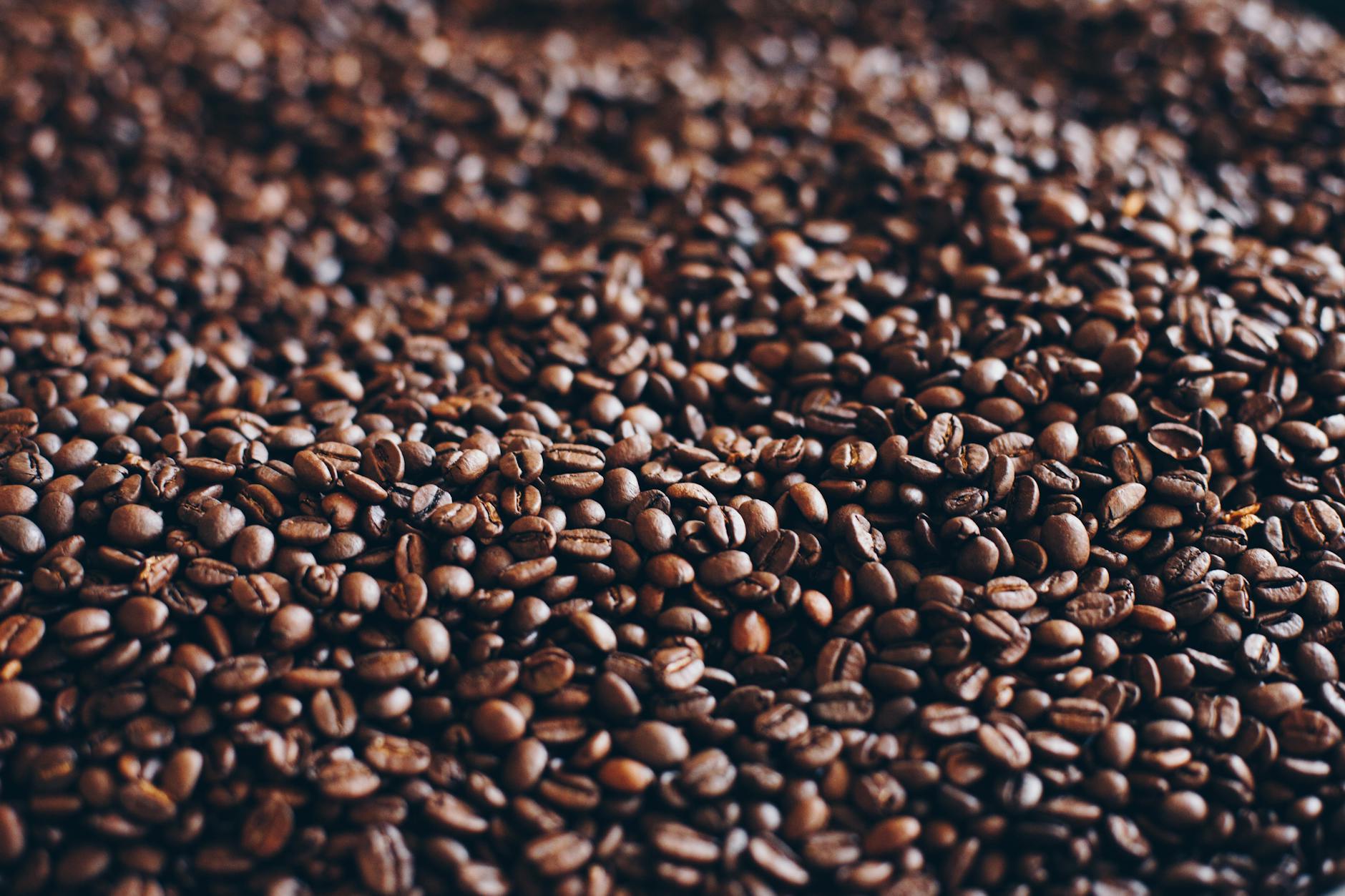
MANILA — Senate President Pro Tempore Panfilo “Ping” M. Lacson has filed a measure seeking to revive and modernize the country’s struggling coffee sector through a comprehensive national development program and the creation of a Philippine Coffee Board.
Senate Bill 1556, or the Philippine National Coffee Industry Development Act of 2025, aims to establish a long-term framework to strengthen all segments of the value chain, boost local production, and reduce the country’s dependence on imported coffee—which currently accounts for about 81% of national consumption.
Lacson said the Philippines was once among the world’s top coffee exporters in the 1880s, but years of neglect, limited government support, and inadequate facilities have weakened the industry. Farmers continue to face challenges such as outdated government guidance, lack of post-harvest equipment, insufficient planting materials, and poor farm-to-market roads.
Under the bill, the State seeks to transform the Philippines into a globally competitive producer and net exporter of coffee by 2035. The proposal also aims to improve the livelihood of small farmers, who operate about 95% of the country’s coffee farms, while preserving local varieties such as Barako, Arabica, Robusta, and Excelsa.
Key provisions of the bill
Creation of the Philippine Coffee Board (PCB)
The PCB, under the Department of Agriculture, will absorb the functions of the private sector–led Philippine Coffee Board Inc. Regional councils will also be created in major coffee-producing areas across Luzon, Visayas, and Mindanao.
National Coffee Replanting and Rehabilitation Program
The program targets the expansion of coffee farms to 250,000 hectares within 10 years through the distribution of 150 million climate-resilient seedlings, technical assistance, a ₱50,000-per-hectare establishment subsidy, and three-year insurance coverage.
Quality standards and extension services
The PCB will set national quality standards and implement farmer field schools, monthly farm visits, technical consultations, and digital platforms for training and support.
Credit and insurance support
The bill allocates:
- ₱10 billion annually for production loans at 3% interest
- ₱5 billion for processing and marketing loans at 4% interest
- Crop insurance covering 100% of production costs
- ₱2 billion per year for calamity assistance
Farmer subsidy program
This includes a ₱5,000-per-hectare fertilizer subsidy, price support mechanisms ensuring minimum farm-gate prices, and transport subsidies for remote highland areas.
Processing hubs and market development
The PCB will develop coffee processing hubs, enhance value-chain integration, and support domestic and export market promotion.
National Coffee Research Institute
The institute, under the DOST, will develop climate-resilient varieties, improve processing technologies, conduct market research, and collaborate with international research bodies.
Funding
The measure provides an initial ₱15 billion annual appropriation for the program’s first five years, with allocations for production support (40%), R&D (15%), processing and infrastructure (20%), marketing and promotion (10%), institutional support (10%), and emergency funds (5%).
Lacson said the proposed reforms would help the Philippines “regain its place in the global coffee sector” by increasing yields, raising farmer incomes, advancing technical skills, and ensuring long-term industry stability.



 Republika News
Leave a comment