
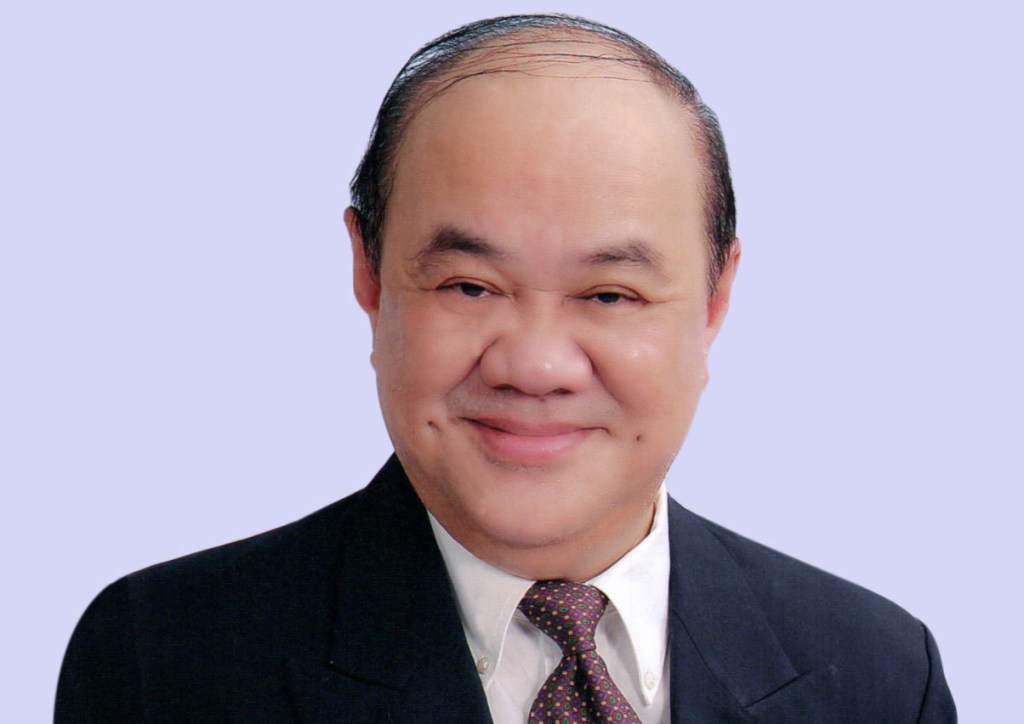
I fully agree with Cardinal Pablo Virgilio “Ambo” David when he said we must finally face a national shame: the Philippines is now ranked as the world’s number one source of ocean trash. That fact alone should shake us to the core. Not number one in education. Not in good governance. But in polluting the seas that feed us.
In his painful but necessary reflection titled “The Shame We Must Finally Face: The Philippines Is the World’s #1 Source of Ocean Trash,” Cardinal David did not mince his words. He reminded us that more than 20 years ago, we already passed one of the most progressive laws in Asia—RA 9003, the Ecological Solid Waste Management Act. The law is clear: segregation at source, composting, recycling first—only residual waste goes to landfills.
Yet, as he lamented, “We continue a national habit of throwing everything together—biodegradable, recyclable, hazardous—into the same black bag, the same truck, the same dumpsite.” Because of this, even so-called sanitary landfills become unsanitary landfills.
The Cardinal did not stop at household discipline. He boldly exposed corruption at the LGU level—a point that deserves national outrage. According to him, “Too many LGUs opted for the easy way out—hauling and dumping,” because corruption grows fat on hauling contracts and tipping fees instead of real waste reduction systems. Let me be blunt: in the long run, this could become a bigger corruption scandal than the flood control scams—because this one slowly kills our rivers, our seas, our food supply, and our children’s future.
Look at Navotas, he said, where leachate from dumpsites poisoned aquaculture, killed livelihoods, and threatened food security. Then he asked, “Where in the world do fishponds become garbage pits? In the Philippines.” That line alone should haunt every local official.
Science confirms this moral indictment. Global studies show that the Philippines contributes about 36% of the world’s ocean plastic waste. Seven of the world’s top ten most polluting rivers—including the Pasig River, which alone accounts for about 6.4% of global river plastic pollution—are in our country. Add to that our dangerous dependence on single-use plastics and sachets, weak waste collection systems, and thousands of coastal communities living right beside waterways—and the result is a perfect storm of plastic leakage.
But the Cardinal reminds us: “Guilt is not the ending. Repentance is.” And repentance means change.
Yes, the people must listen. Segregation must begin at home. But this is a vicious cycle. Even if families segregate, mayors must do their part by building real sanitary landfills, Materials Recovery Facilities (MRFs), and composting centers—not just dumpsites disguised as solutions.
We must stop treating the ocean as a bottomless pit. As Cardinal David said, this is “a sin against creation, against the poor, and against future generations.” Strong words—but painfully accurate.
My question is simple: How much longer will we tolerate leaders who profit from garbage while our seas drown in plastic? If we can mobilize for elections and disasters, why can’t we mobilize for clean rivers?
Our national goal should be nothing less than this: the cleanest seas and rivers in the world. We already hold the worst record. It’s time we aim for the best.
And as the Cardinal pleaded: “We can do better.”
Yes, we must—before the next generation inherits not seashells, but our plastic shame.
RAMON IKE V. SENERES
http://www.facebook.com/ike.seneres iseneres@yahoo.com senseneres.blogspot.com


 Republika News
Leave a comment