
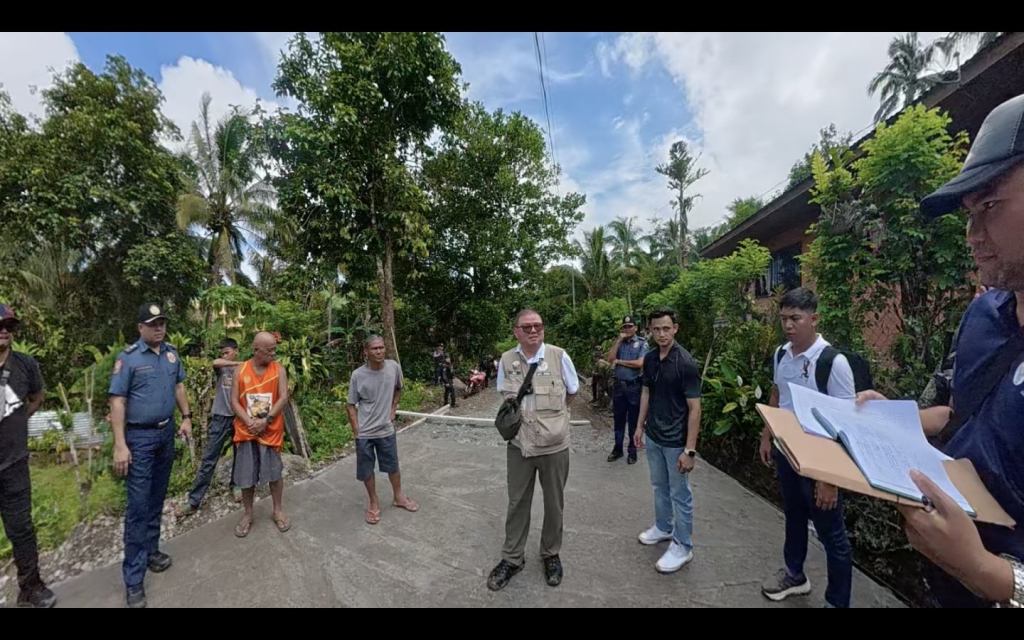
MANILA — Agriculture Secretary Francisco P. Tiu Laurel Jr. welcomed Congress’ decision to more than double funding for farm-to-market roads (FMRs), calling it a “game-changing investment” for farmers, food supply chains, and rural economies as lawmakers finalize the 2026 national budget.
Under the spending plan approved by the bicameral conference committee, funding for FMRs will increase to PHP33 billion from the PHP16 billion originally proposed for next year. The increase, pushed by the House of Representatives, aims to expand road access to more farming communities and accelerate agricultural and countryside development.
Beginning in 2026, the Department of Agriculture (DA) will assume full responsibility for the development of FMRs, taking over the function from the Department of Public Works and Highways (DPWH) to streamline implementation and better align road construction with the needs of farmers and agricultural producers.
Tiu Laurel said the DA has been laying the groundwork to manage the expanded mandate by strengthening its engineering capacity, coordinating with local government units and other national agencies, and encouraging public participation to ensure projects are completed on time and built to specification.
The DA has also established an infrastructure projects watchdog and is rolling out a digital monitoring portal to reinforce transparency and accountability. The platform will allow lawmakers and the public to track FMR projects in real time, from fund releases to construction progress.
The agriculture chief said early estimates show the DA can deliver FMR projects at roughly 20 percent lower cost than the DPWH’s average of PHP15 million per kilometer, potentially allowing the construction of more roads.
“With a P33-billion budget, we can build about 2,750 kilometers of farm-to-market roads that will lower production and transport costs, raise farmers’ incomes, and help bring down food prices for consumers,” Tiu Laurel said.
Business groups and agribusiness stakeholders have also welcomed the expanded FMR program, describing it as a productivity multiplier that can reduce logistics costs, cut post-harvest losses, and improve the competitiveness of Philippine agriculture in domestic and export markets.
Tiu Laurel assured legislators that only legitimate and clearly identified FMR projects will be implemented. “We will only implement properly vetted and justified farm-to-market road projects,” he said.
Senate President Pro Tempore Panfilo Lacson, however, raised concerns on whether the list of FMR projects tied to the higher allocation resulted from DA planning or from congressional insertions following the realignment of PHP255 billion in flood-control funds.
The DA estimates the country needs about 131,000 kilometers of farm-to-market roads to spur rural development, boost farmers’ incomes, and reduce food costs. About 60,000 kilometers remain unbuilt, an undertaking estimated to cost around PHP720 billion, which would take at least 21 years to complete at current budget levels.



 Republika News
Leave a comment