
MANILA — The Bangko Sentral ng Pilipinas (BSP) projects December 2025 inflation to range between 1.2 and 2.0 percent, citing upward price pressures from higher costs of major food items, strong holiday demand, and rising LPG and gasoline prices. These may be partly offset by lower electricity rates in Meralco-serviced areas and falling kerosene and diesel prices.
Headline inflation in the Philippines slowed to 1.5 percent in November 2025 from 1.7 percent in October, the Philippine Statistics Authority (PSA) reported, bringing the national average inflation from January to November 2025 to 1.6 percent, down from 2.5 percent in the same period last year.
The slowdown was mainly driven by subdued growth in the food and non-alcoholic beverages index, which rose 0.1 percent in November from 0.5 percent in October. Other contributing commodity groups included alcoholic beverages and tobacco (3.6 percent from 4.0 percent), furnishings and household equipment (2.0 percent from 2.4 percent), and personal care and miscellaneous goods (2.4 percent from 2.5 percent).
Conversely, faster annual price increases were noted in housing, water, electricity, gas, and other fuels (2.9 percent from 2.7 percent); transport (1.7 percent from 0.9 percent); recreation, sport, and culture (2.1 percent from 1.9 percent); and restaurants and accommodation services (2.6 percent from 2.4 percent). The top contributors to overall inflation were housing, water, electricity, gas, and other fuels (0.6 percentage point); restaurants and accommodation services (0.3 percentage point); and transport (0.2 percentage point).
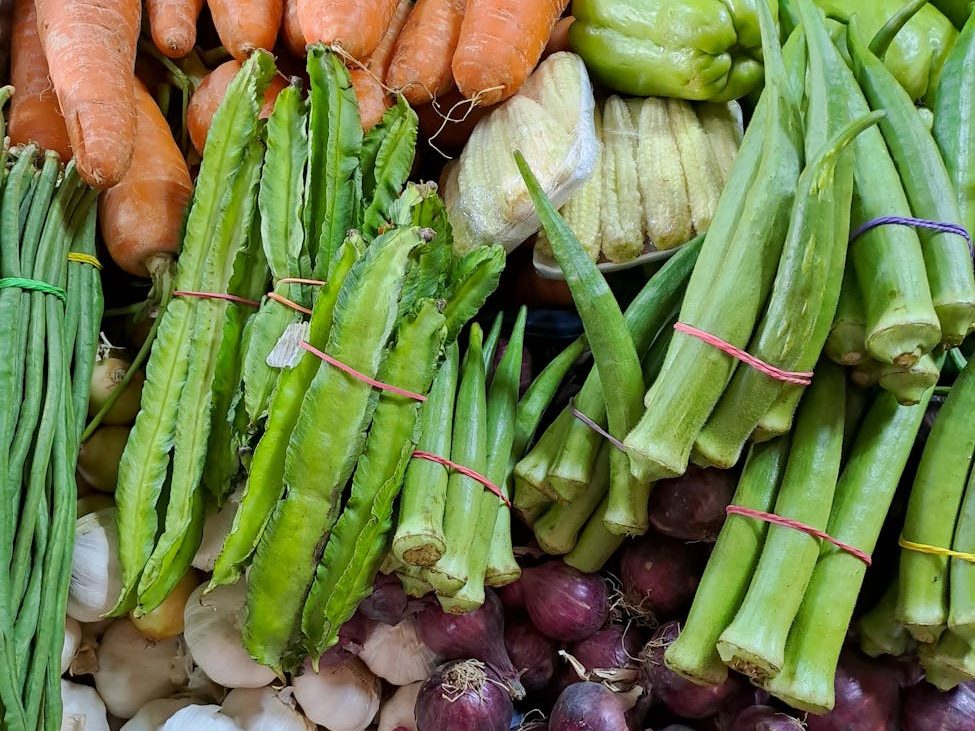
Food inflation posted an annual decline of 0.3 percent in November, down from a 0.2 percent increase in October and 3.5 percent in November 2024. Slower growth was seen in vegetables, tubers, plantains, and pulses (4.0 percent from 16.4 percent), meat and other land animal products (4.2 percent from 5.2 percent), milk, dairy products, and eggs (1.0 percent from 1.6 percent), and ready-made food (2.1 percent from 2.2 percent). Rice and corn continued to decline at 15.4 percent and 4.1 percent, respectively, while faster increases were observed in fish and seafood (8.6 percent from 8.2 percent), oils and fats (9.7 percent from 9.4 percent), and fruits and nuts (1.6 percent from -1.4 percent).
Core inflation, which excludes volatile food and energy items, slowed to 2.4 percent from 2.5 percent. Regional trends showed the National Capital Region easing to 2.8 percent from 2.9 percent, while areas outside NCR decelerated to 1.2 percent from 1.3 percent. The Bangsamoro Autonomous Region in Muslim Mindanao recorded a 1.4 percent decline, while Region VII (Central Visayas) remained the highest at 3.3 percent.
Officials noted that the slowdown in staple food prices and other key commodities provides breathing room for households, particularly low-income families, as they face the higher costs typically associated with the holiday season.
The BSP said it will continue to monitor domestic and international developments affecting inflation and growth in line with its data-dependent approach to monetary policy.



 Republika News
Leave a comment