
MANILA — Keeping palay prices fair, expanding the P20-per-kilo rice program and fast-tracking farm-to-market road projects will be the toughest challenges for the Department of Agriculture (DA) heading into 2026, Agriculture Secretary Francisco P. Tiu Laurel Jr. said.
Tiu Laurel said these priorities are crucial to sustaining rice production, ensuring affordable food and improving farmers’ access to markets.
The most urgent concern, he said, is maintaining fair palay prices to keep rice farming profitable and encourage continued planting to secure the country’s staple food supply.
To support farmers, the DA will continue to have the National Food Authority buy palay during the summer harvest at P17 per kilo for wet palay and P21 per kilo for dry palay. The agency has also consulted rice industry stakeholders to rationalize import volumes and prevent imports from depressing farmgate prices.
In September, President Ferdinand Marcos Jr. ordered a rice import freeze, later extended through December, after excessive imports pushed farmgate prices down to as low as P8 per kilo. The pause capped imports at about 3.5 million metric tons in 2025, which Tiu Laurel said was appropriate compared with the 4.8 million metric tons imported in 2024.
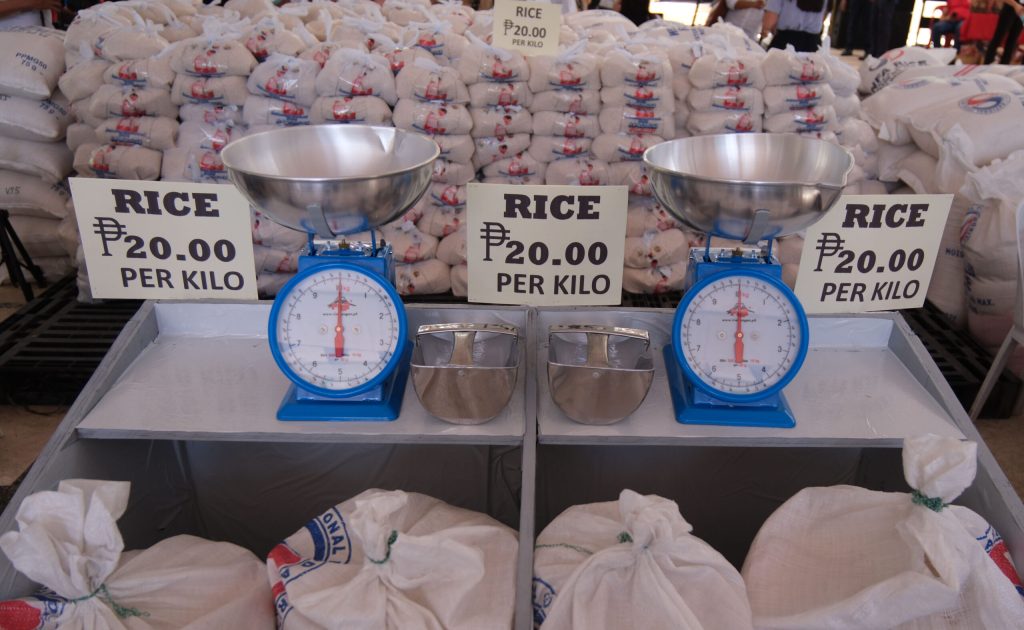
Another major challenge is the full rollout of the government’s P20-per-kilo rice program under “Benteng Bigas, Meron Na!” The DA plans to expand the initiative to reach up to 15 million households, or around 60 million Filipinos.
Marcos has directed the DA to craft a plan to sustain the flagship program until the end of his term in June 2028.
“Next year will mark the full implementation of the P20 rice program,” Tiu Laurel said. “We believe we are ready, but it is easier said than done.”
He said expanding the program will require adequate buffer stocks, efficient logistics and close coordination with local government units to prevent supply disruptions and leakages.
The DA also faces the challenge of implementing P33 billion worth of farm-to-market road projects that were recently transferred to the agency following the flood control corruption controversy.
Tiu Laurel said the projects were turned over only a few months ago and are expected to move forward once the General Appropriations Act is released. He noted that the DA is effectively starting from scratch after years in which farm-to-market road construction was handled by the Department of Public Works and Highways.
“That’s a real challenge,” he said. “We have to go from zero to one hundred.”
With tight timelines, the DA has been holding near-daily coordination meetings to prepare for implementation.
“We want this done properly — transparent, corruption-free and built to the right standards of quality and durability,” Tiu Laurel said.
Farm-to-market roads are seen as critical to reducing post-harvest losses, lowering transport costs and improving market access, in line with the government’s goals of affordable food, rural development and higher farm incomes.
Tiu Laurel said the DA is confident it can deliver the projects at costs up to 20 percent lower than in previous years, extending market access to more farms nationwide.


 Republika News
Leave a comment