
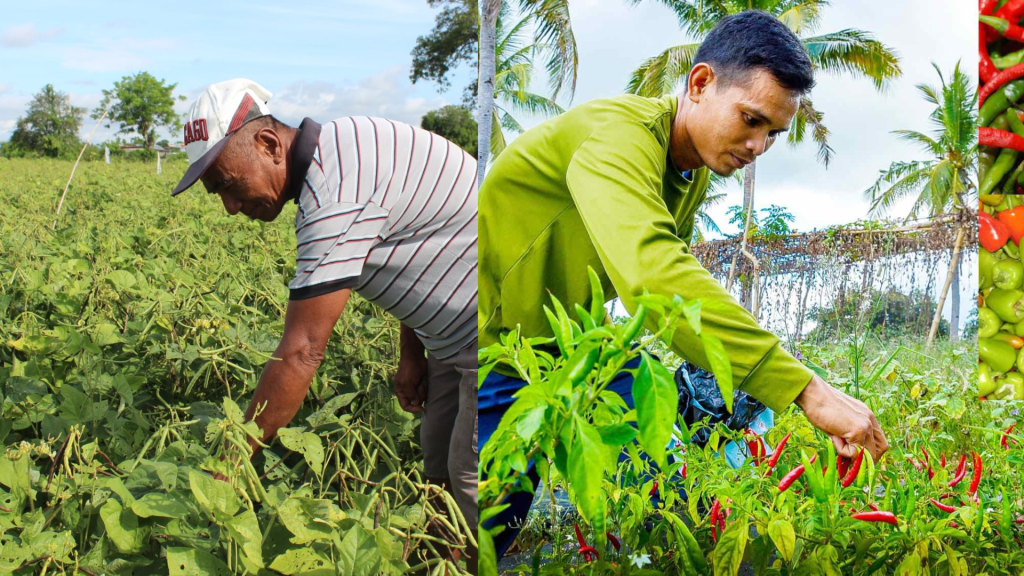
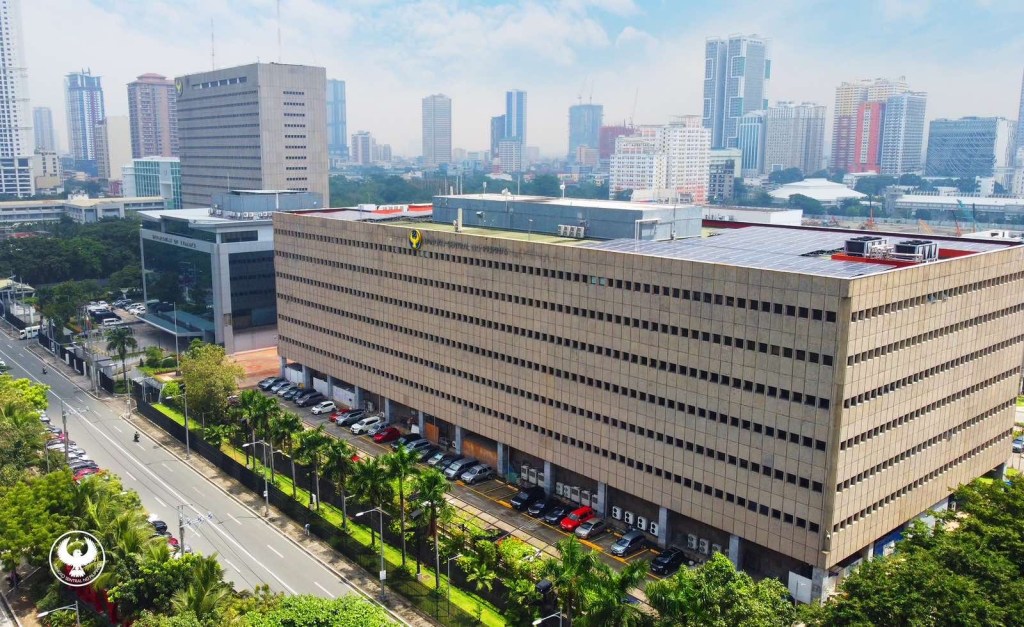
MANILA — Agriculture Secretary Francisco P. Tiu Laurel Jr. has directed state-owned Food Terminal Inc. (FTI) to allocate funds to purchase large volumes of chili pepper and mung beans directly from local farmers to help stabilize prices and reduce dependence on imports.
The Department of Agriculture (DA) has identified sili and munggo as priority high-value crops this year, with different policy objectives. For chili pepper, the focus is on tempering sharp price fluctuations that affect consumers, while for mung beans, the goal is to increase domestic production and achieve self-sufficiency.
“We import significant volumes of mung beans, mostly from Argentina, even though local production already reaches about 45,000 metric tons,” Tiu Laurel said during a recent meeting with DA officials. “Our goal is to be self-reliant by 2027.”
About one-third of the country’s mung bean output comes from Isabela, although the crop can also be grown in several other regions. Munggo is a staple in Filipino households and a key source of vegetable protein, containing about twice the protein of cereals such as rice and corn.
Tiu Laurel said FTI should initially purchase up to 80 percent of domestic mung bean output, or roughly 3,000 metric tons per month, to give farmers a stable market and protect them from volatile prices.
A similar approach is being planned for chili pepper, which is widely grown but highly susceptible to damage from heavy rains and storms. Production typically declines during the wet season, leading to price spikes.
“Chilli prices rise because supply tightens due to crop damage caused by increased rain,” Tiu Laurel said.
The DA is allocating millions of pesos to construct greenhouse facilities to protect high-value crops, including chili peppers, from extreme weather and to support year-round production. The agency said the initiative aims to ensure steady supply and help moderate prices, particularly during peak demand periods such as the holidays.
FTI is also being encouraged to invest in processing facilities that can turn fresh chili into flakes or paste, products commonly used by restaurants, food processors, and retailers. Processing is expected to allow surplus harvests to be absorbed during peak production and released when supply is tight.
“By buying, processing, and distributing these crops, FTI will be fulfilling its real mandate,” Tiu Laurel said.


 Republika News
Leave a comment