
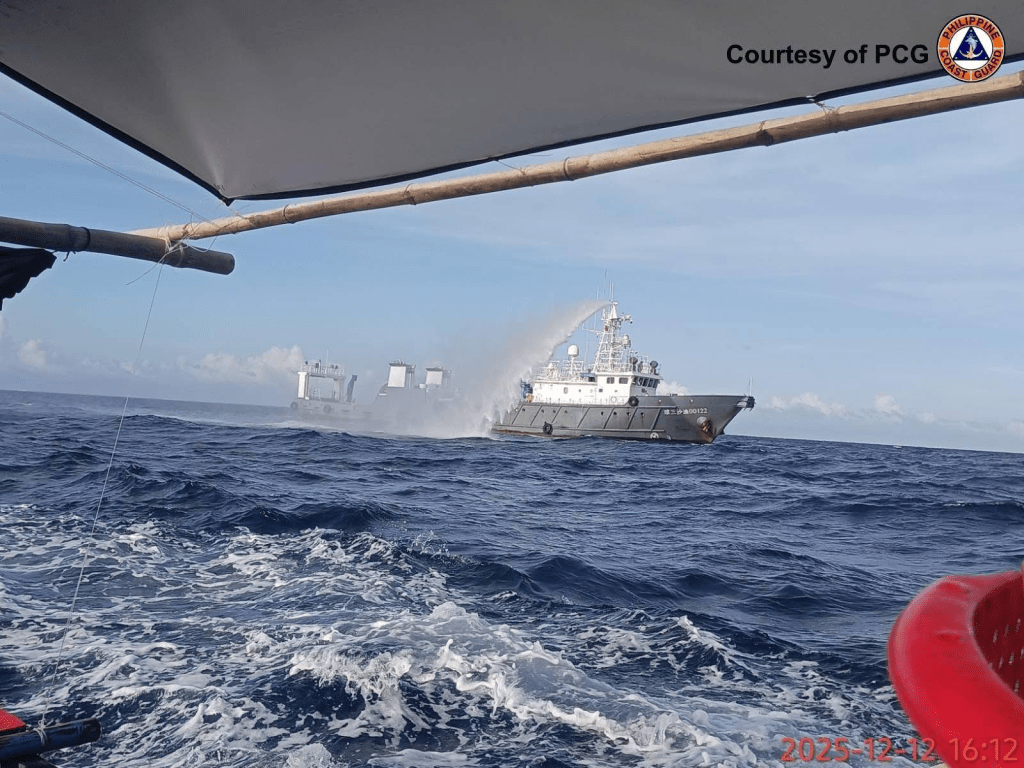
MANILA – The National Security Council (NSC) criticized recent statements by the Chinese Foreign Ministry and the Chinese Embassy in Manila, calling them “undiplomatic and uncalled for” and highlighting their potential impact on Philippine institutions.
In a statement, NSC official spokesperson ADG Cornelio H. Valencia emphasized that public officials and institutions in the Philippines have a duty to inform citizens about developments affecting national security, including activities in the West Philippine Sea, without needing approval from foreign governments.
“Disagreements between States must be addressed through established diplomatic channels, like the existing Bilateral Consultation Mechanism, consistent with international law and diplomatic norms,” Valencia said. He added that public messaging intended to intimidate or silence Philippine officials violates the Vienna Convention on Diplomatic Relations.
The NSC also reminded China that a United Nations Convention on the Law of the Sea (UNCLOS) arbitral tribunal in 2016 invalidated Beijing’s “nine-dash line” and affirmed the Philippines’ maritime rights within its Exclusive Economic Zone. The ruling, supported by multiple nations, remains a cornerstone of international law and stability.
Valencia said China’s refusal to comply with the arbitral award, along with “self-serving reinterpretations of international law,” has fueled tensions in the West Philippine Sea. “Its illegal, coercive, aggressive and deceptive behavior escalates tensions, threatens regional security, and infringes on the sovereign rights of coastal states, not only the Philippines,” he said.
The statement concluded that the Philippines will continue to uphold its sovereignty and rights in the West Philippine Sea “calmly, firmly, and without being distracted by attempts to shift the discussion away from the real issue: unlawful, coercive, and destabilizing actions at sea and in the public space that threaten regional peace and security.”



 Republika News
Leave a comment