
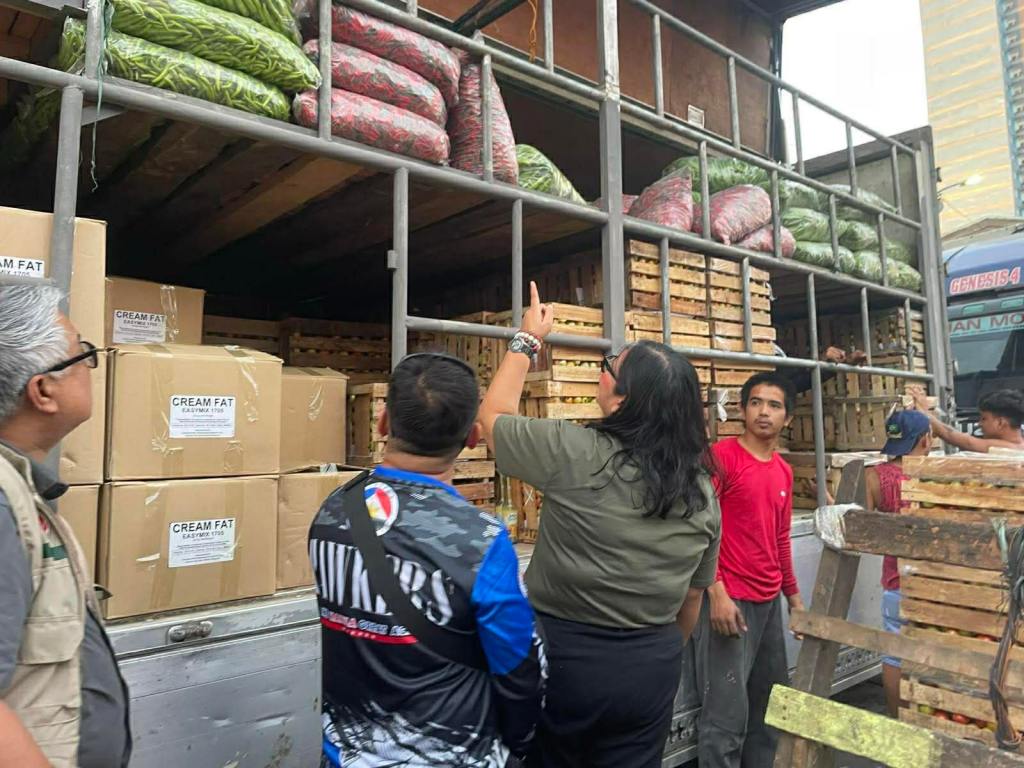
MANILA – A team from the Department of Agriculture (DA) visited Divisoria to observe firsthand how vegetables and other crops move through the food supply chain, as part of intensified efforts to stabilize prices and prevent unjustified spikes.
The activity, ordered by Agriculture Secretary Francisco P. Tiu Laurel Jr., was led by Assistant Secretary Genevieve Velicaria-Guevarra of the Agribusiness Marketing and Assistance Service. The team spoke with retailers, resellers, wholesalers, and market facilitators to identify where price adjustments occur and how costs accumulate from farm to consumer.
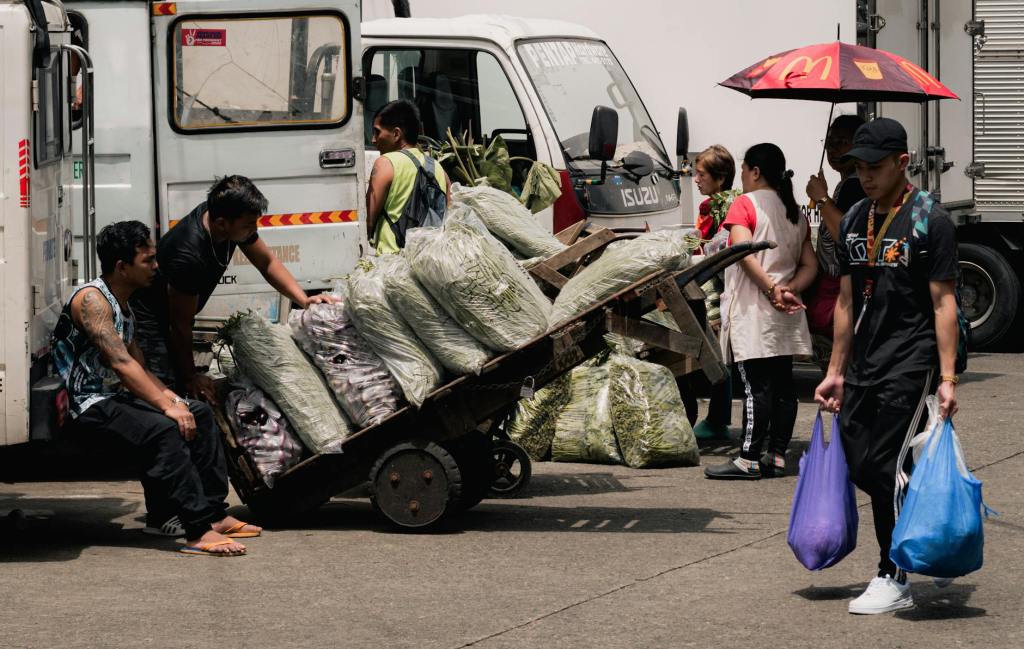
Traders from Nueva Ecija and other provinces, as well as representatives from the Manila Hawkers Office, explained the flow of trade. Produce is typically unloaded by laborers at designated areas, with payments made through cheques or digital transfers such as GCash, PayMaya, or bank transfers, depending on prior arrangements between wholesalers and owners.
Price formation was illustrated with concrete examples: a 10-kilo bag of ampalaya is dropped off to wholesalers at around P850 and sold to retailers at about P1,000 on a pick-up basis. Margins are influenced by operating costs, including daily roadside fees of P20 per square meter, an annual hawkers fee of P1,275, and porterage costs of P50 per four-bag load.
“Our engagement with the traders was very open and constructive,” Guevarra said. “They were not apprehensive at all and responded clearly to our questions. We saw a willingness on their part to explain how trading really happens on the ground, which is important as we strengthen market monitoring and work toward more transparent and fair pricing.”
The DA said the visit underscores that closer monitoring does not necessarily disrupt trade but can reveal practical realities often overlooked in policy discussions. The department plans to reassess the value chain and enhance the distribution model to maintain product freshness while keeping prices affordable for consumers.
While no formal report has been released, the visit highlights a key takeaway for the DA: understanding daily trading dynamics is essential to curbing unreasonable price increases and ensuring that efficiency, rather than speculation, drives food prices in urban markets.


 Republika News
Leave a comment