
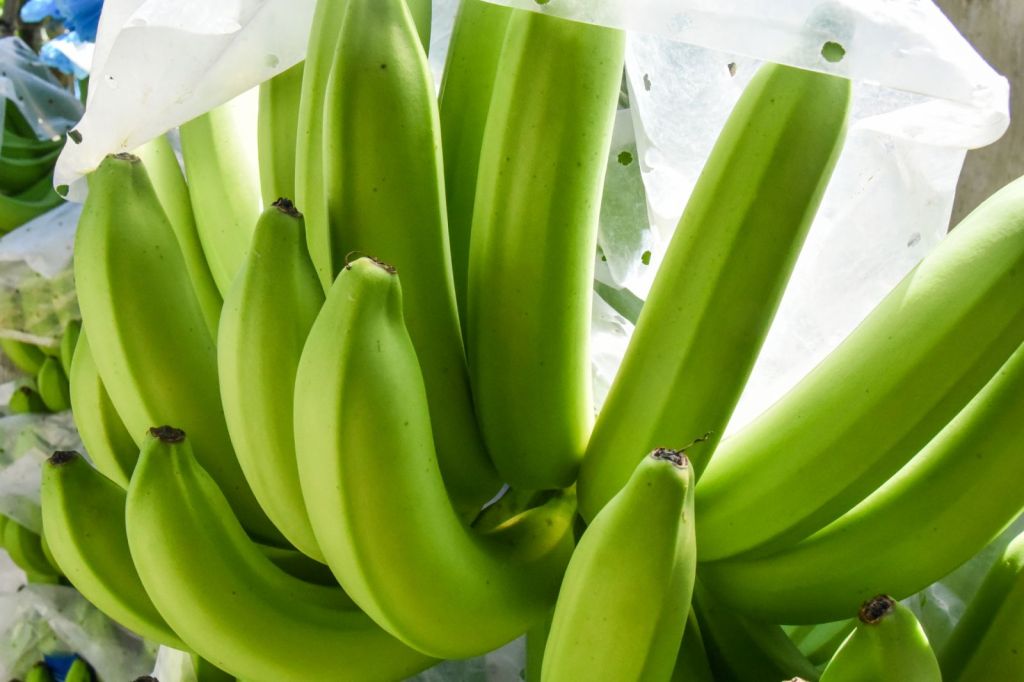
MANILA – The Philippines has reclaimed its position as the world’s second-largest banana exporter, signaling confidence in the country’s agricultural strategy and opening opportunities for further export growth.
Agriculture Secretary Francisco P. Tiu Laurel Jr. said the latest Food and Agriculture Organization (FAO) report confirms that targeted government interventions are paying off. “Many thought the banana industry was in decline. This is proof of concept that when interventions are done right, we can reverse the trend,” he said, adding that the Department of Agriculture (DA) plans to apply the approach to other high-value crops.
The FAO attributed the rebound largely to increased Philippine supplies following recovery from weather- and disease-related damage in recent years. Industry sources cited in the report highlighted significant investments in banana production in Cagayan Valley (Region 2), supported by the DA’s distribution of organic fertilizer and other inputs. The Philippine Cardaba banana, commonly known as saba, is also driving exports through products such as banana chips, steamed saba, and banana catsup.
These efforts were part of the DA’s 2025 High Value Crops Development Program, which distributed 106,000 banana planting materials for farm expansion and rejuvenation, rolled out 120,000 units of organic fertilizer, and deployed more than 215,000 biological control agents, including Trichoderma, to boost plant resilience and reduce postharvest losses.
Despite the rebound, the sector faces ongoing threats from Fusarium wilt tropical race 4, or Panama disease, which has affected about 15,500 hectares in the Davao Region and threatens the Cavendish variety that underpins Philippine exports. Officials said containment and mitigation measures will be crucial to sustaining the recent gains.
Beyond bananas and mangoes, the DA is focusing on 10 additional high-value crops for export promotion, including asparagus, avocado, cacao, calamansi, coffee, dragonfruit, durian, okra, pomelo, and rambutan.
Fruits and peels remain the country’s second-largest agricultural exports, with November alone seeing a 33 percent year-on-year increase to USD244.4 million.
The banana comeback reflects a broader shift in policy from volume-driven production to value-oriented, export-ready agriculture. Officials say that if disease risks are managed and investments sustained, the Philippines could strengthen its position as a diversified and resilient agricultural exporter.



 Republika News
Leave a comment