
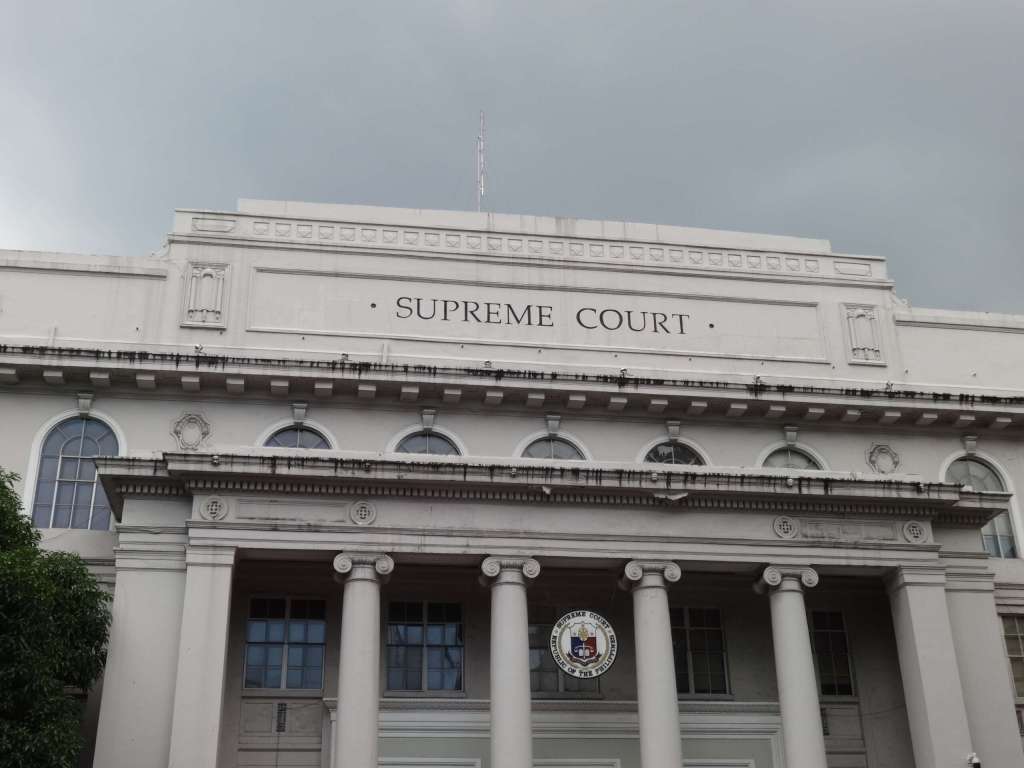
MANILA – The Supreme Court (SC) approved amendments to the rules governing videoconferencing for civil and criminal court hearings, aiming to expand access and strengthen accountability.
Under the revised guidelines, courts must ensure that individuals who are digitally disadvantaged, including those in geographically or politically marginalized areas, can participate in videoconferences. Courts may deploy personnel to provide temporary internet access and designate “access points” within judicial regions where parties can use computers and videoconferencing equipment.
The amendments also expanded the list of authorized overseas venues for videoconferencing. “In addition to Philippine consulates and embassies, videoconferencing abroad may now be conducted in Philippine government offices overseas, venues allowed under applicable bilateral or multilateral agreements, or other locations authorized by the SC,” the High Court said. However, parties abroad must file a motion with the court handling the case, and no one can be compelled to testify remotely from outside the Philippines.
SC justices and judges are allowed to preside over videoconferences from remote locations within the country for justifiable reasons, provided they notify the Office of the Regional Court or seek permission from the Office of the Court Administrator.
The SC also introduced stricter accountability measures. “Intentional disruption of proceedings, coaching of witnesses, or the presentation of falsified digital evidence are now expressly considered gross misconduct and direct contempt of court, punishable under existing laws and rules,” the High Court said.
The amendments will take effect on February 16, 2026, after being posted on the SC and Office of the Court Administrator websites.

 Republika News
Leave a comment