
MANILA – Food inflation slowed sharply in January, giving consumers some relief after the holiday season, but Agriculture Secretary Francisco P. Tiu Laurel Jr. warned that the downtrend is fragile and requires careful management of the country’s food supply.
Data from the Philippine Statistics Authority (PSA) showed food inflation easing to 0.7 percent in January from 1.2 percent in December and 4.0 percent a year earlier. The moderation was largely due to fading holiday demand and a favorable base effect, though the PSA cautioned that emerging pressures in several food categories could quickly reverse the gains.
“The numbers are encouraging, but they’re not a signal to relax,” Tiu Laurel said. “We are looking very closely at how we manage food supply—from production to imports and distribution—because any slippage can quickly translate into higher prices that hurt consumers and weigh on overall economic activity.”
Food prices carry significant weight in the consumer price index, influencing headline inflation and monetary policy. Any renewed pickup could disproportionately affect lower-income households and complicate the Bangko Sentral ng Pilipinas’ plans to ease monetary policy to support growth. Economic momentum has already softened, with gross domestic product growth slowing to 3.0 percent in the fourth quarter, bringing full-year 2025 expansion to 4.4 percent.
For the bottom 30 percent income households, inflation rose to 1.6 percent in January from 1.1 percent in December, driven mainly by higher food and housing costs.
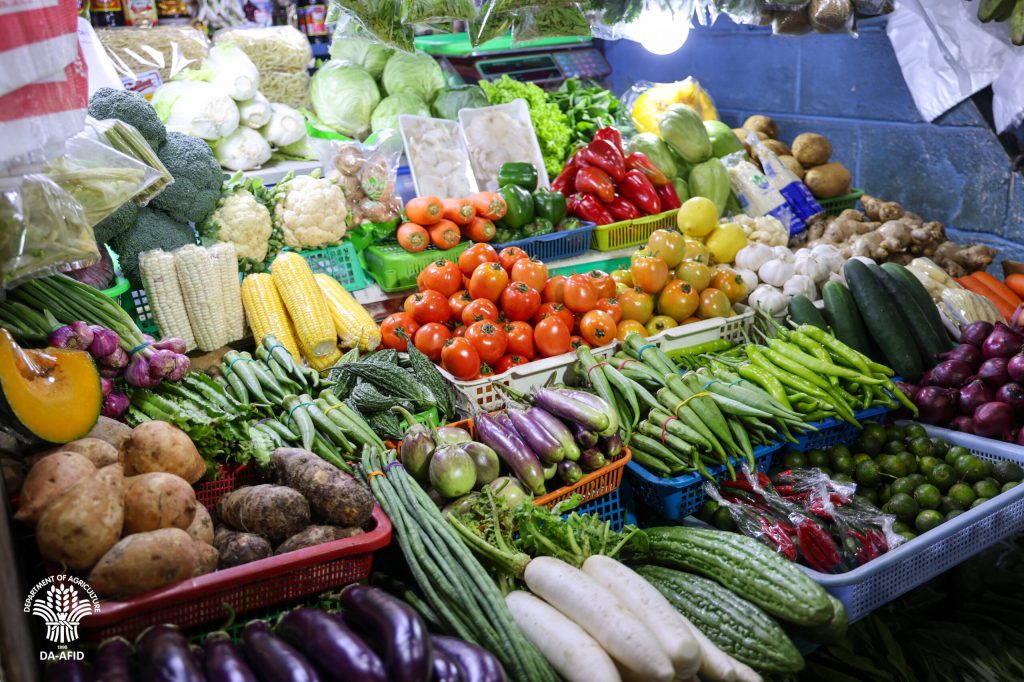
The January slowdown in food inflation was largely driven by vegetables, tubers, plantains, cooking bananas, and pulses, which rose 3.3 percent year on year, down from 11.6 percent in December 2025. Rice prices remained supportive, with annual inflation at 8.5 percent below last year, reflecting the Department of Agriculture’s maximum suggested retail price policy, currently set at P43 per kilo.
Other food items showing slower price increases included corn, meat, fish and seafood, and oils and fats. However, upward pressures were observed for bread and bakery products, dairy and eggs, fruits and nuts, and ready-made food, signaling potential risks ahead.
Overall, food inflation contributed 0.3 percentage point, or 15.1 percent, to January’s headline inflation. Fish and seafood, vegetables, and meat were the biggest contributors, areas the government said it will continue to monitor closely to maintain price stability in the months ahead.




 Republika News
Leave a comment