
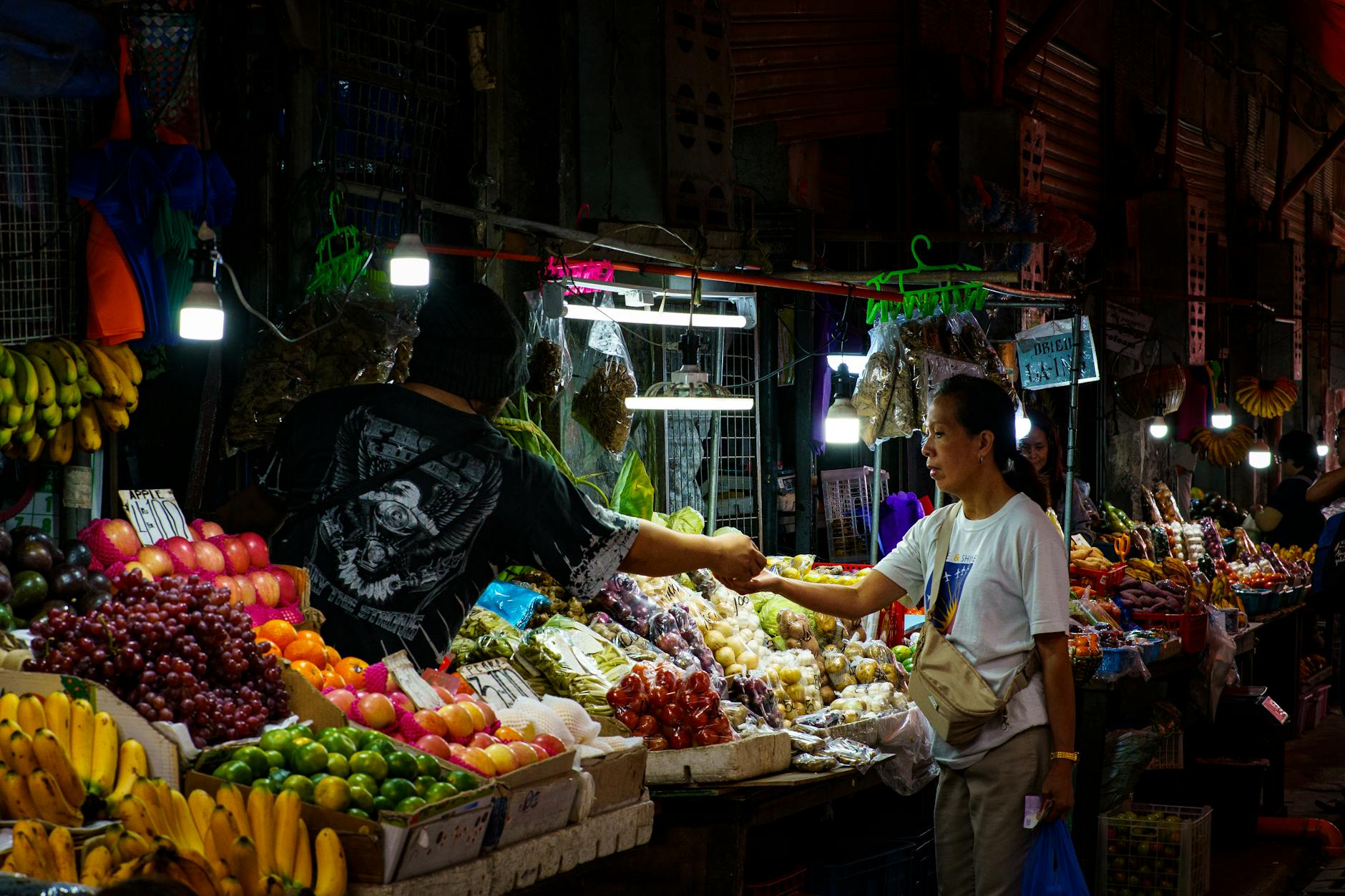
MANILA – Headline inflation in the Philippines rose to 2.0 percent in January 2026 from 1.8 percent in December 2025, the Philippine Statistics Authority (PSA) said, citing faster price increases in housing-related costs and restaurant services.
In January 2025, headline inflation was higher at 2.9 percent.
The PSA said the uptick in overall inflation was mainly driven by the housing, water, electricity, gas and other fuels index, which climbed to 3.3 percent in January 2026 from 2.5 percent a month earlier. The restaurants and accommodation services index also posted a faster annual increase of 4.0 percent from 2.4 percent in December 2025.
Additional upward pressure came from higher inflation in clothing and footwear (2.3 percent), furnishings and household maintenance (2.3 percent), health (3.0 percent), information and communication (0.8 percent), recreation, sport and culture (2.2 percent), and personal care and miscellaneous goods and services (2.6 percent).
Offsetting these increases were slower inflation rates in food and non-alcoholic beverages at 1.1 percent from 1.4 percent, alcoholic beverages and tobacco at 3.1 percent from 3.3 percent, and education services at 2.8 percent from 3.0 percent. The transport index also recorded an annual decline of 0.3 percent, reversing a 0.3 percent increase in December 2025.
The PSA said the top contributors to the January 2026 inflation rate were housing, water, electricity, gas and other fuels with a 33.5 percent share or 0.7 percentage point; food and non-alcoholic beverages with a 22.2 percent share or 0.4 percentage point; and restaurants and accommodation services with a 19.6 percent share or 0.4 percentage point.
At the national level, food inflation slowed to 0.7 percent in January 2026 from 1.2 percent in December 2025. In January 2025, food inflation stood at 4.0 percent.
The PSA attributed the decline mainly to the slower increase in prices of vegetables, tubers, plantains, cooking bananas and pulses, which eased to 3.3 percent from 11.6 percent. Slower price increases were also recorded for corn, meat, fish and other seafood, and oils and fats.
Higher inflation, however, was observed for flour and bakery products, milk and eggs, fruits and nuts, and ready-made food. Rice and sugar continued to post annual price declines, though at a slower pace.
Food inflation accounted for 15.1 percent or 0.3 percentage point of overall inflation in January 2026. The main contributors were fish and other seafood, vegetables, and meat.
Core inflation, which excludes selected food and energy items, rose to 2.8 percent in January 2026 from 2.4 percent in December 2025. In January 2025, core inflation was lower at 2.6 percent.
In the National Capital Region (NCR), inflation slowed to 1.9 percent in January 2026 from 2.3 percent in the previous month. The PSA said the deceleration was driven by slower increases in housing-related costs and food and non-alcoholic beverages, as well as declines in transport prices.
Areas outside the NCR (AONCR) recorded faster inflation at 2.0 percent in January 2026 from 1.7 percent in December 2025, mainly due to higher housing-related costs and restaurant services.
The PSA said 11 regions outside the NCR posted higher inflation rates in January 2026. For the sixth consecutive month, Central Visayas (Region VII) recorded the highest inflation rate at 5.6 percent, while Cagayan Valley (Region II) posted an annual decline of 0.1 percent.



 Republika News
Leave a comment