
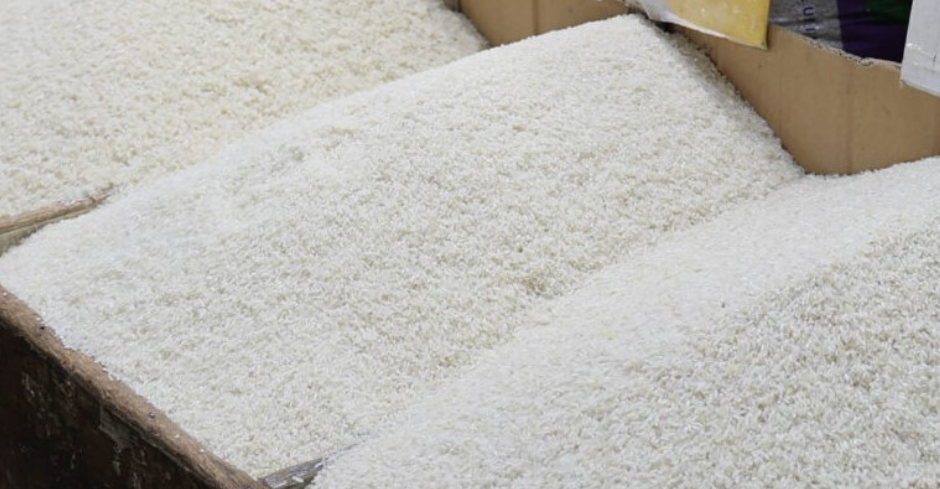
MANILA – Agriculture Secretary Francisco P. Tiu Laurel Jr. has ordered the creation of a technical working group (TWG) on rice importation as the Department of Agriculture moves toward a more data-driven and strategically managed approach to balancing supply, prices, and farmer protection.
The move comes as the DA finalizes import policies for May while preparing a more structured rice importation system later in the year.
Speaking at a recent meeting with industry players and DA officials, Tiu Laurel stressed the urgency of the task, directing the TWG to convene weekly and submit policy recommendations within weeks.
“We have to work fast. It’s already February,” he said.
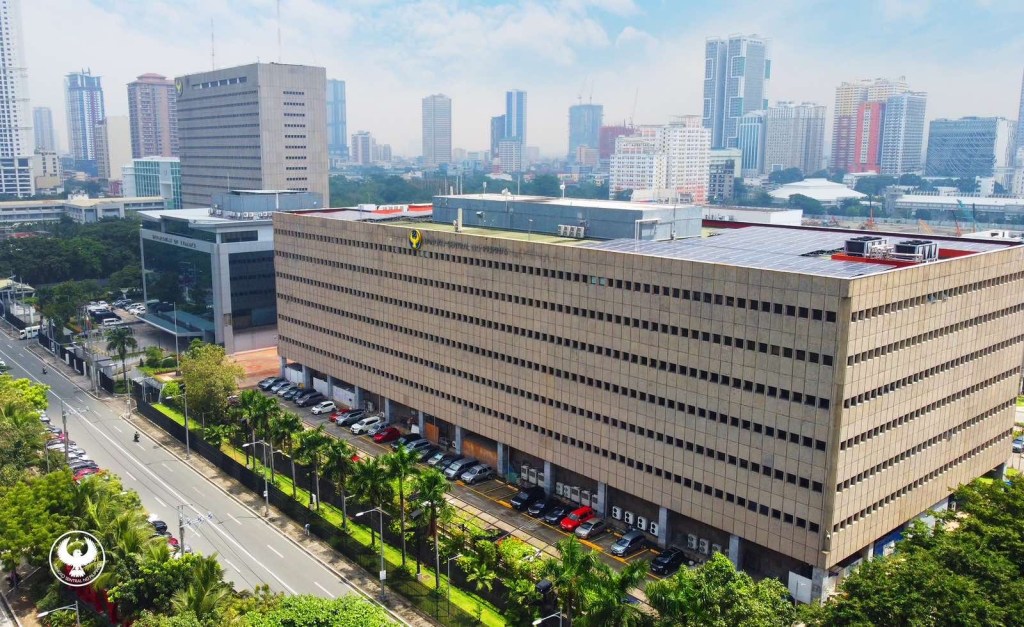
The TWG will be composed of representatives from the DA-Office of the Undersecretary for Rice Industry Development, Food Terminal Inc. (FTI), the Philippine Rice Industry Stakeholders Movement (PRISM), and the Philippine Rice Importers Association (PRIA), among others.
The group is tasked with strengthening strategic oversight of rice importation through transparent and evidence-based decision-making. Instead of ad hoc approvals, the TWG will focus on license-based access verified by performance and guided by data on regional deficits, buffer stocks, and real-time inventory levels.
The DA said the immediate objective is to ensure sufficient imported rice enters the market to help temper prices without displacing local harvests.
Tiu Laurel noted that initial import volumes for May will remain “simple,” but more complex mechanisms—such as linking import participation to purchases from local farmers—are being considered for later in the year, potentially after the wet season.
Under the planned system, the TWG is expected to refine a two-layer framework aimed at balancing equity and efficiency, determining not only import volumes but also timing and destination at the provincial and regional levels.
Future rice import volumes and schedules will be guided by data for Luzon, Visayas, and Mindanao, with the possibility of province-level pricing, Tiu Laurel said.
The DA also plans to tighten reporting requirements on rice stocks, warning that traders and warehouses that fail to submit data risk losing eligibility for import registration. Tiu Laurel said only a fraction of registered warehouses are currently complying with reporting requirements.
The DA said aligning import timing with verified market needs and enforcing compliance among traders and millers is intended to protect farmers by curbing speculative practices that affect farm-gate prices, while ensuring consumers benefit from a more stable rice supply.
The TWG initiative forms part of the DA’s broader effort to shift rice policy from crisis-driven measures toward a more structured system where importation supports both market stability and domestic production.



 Republika News
Leave a comment