
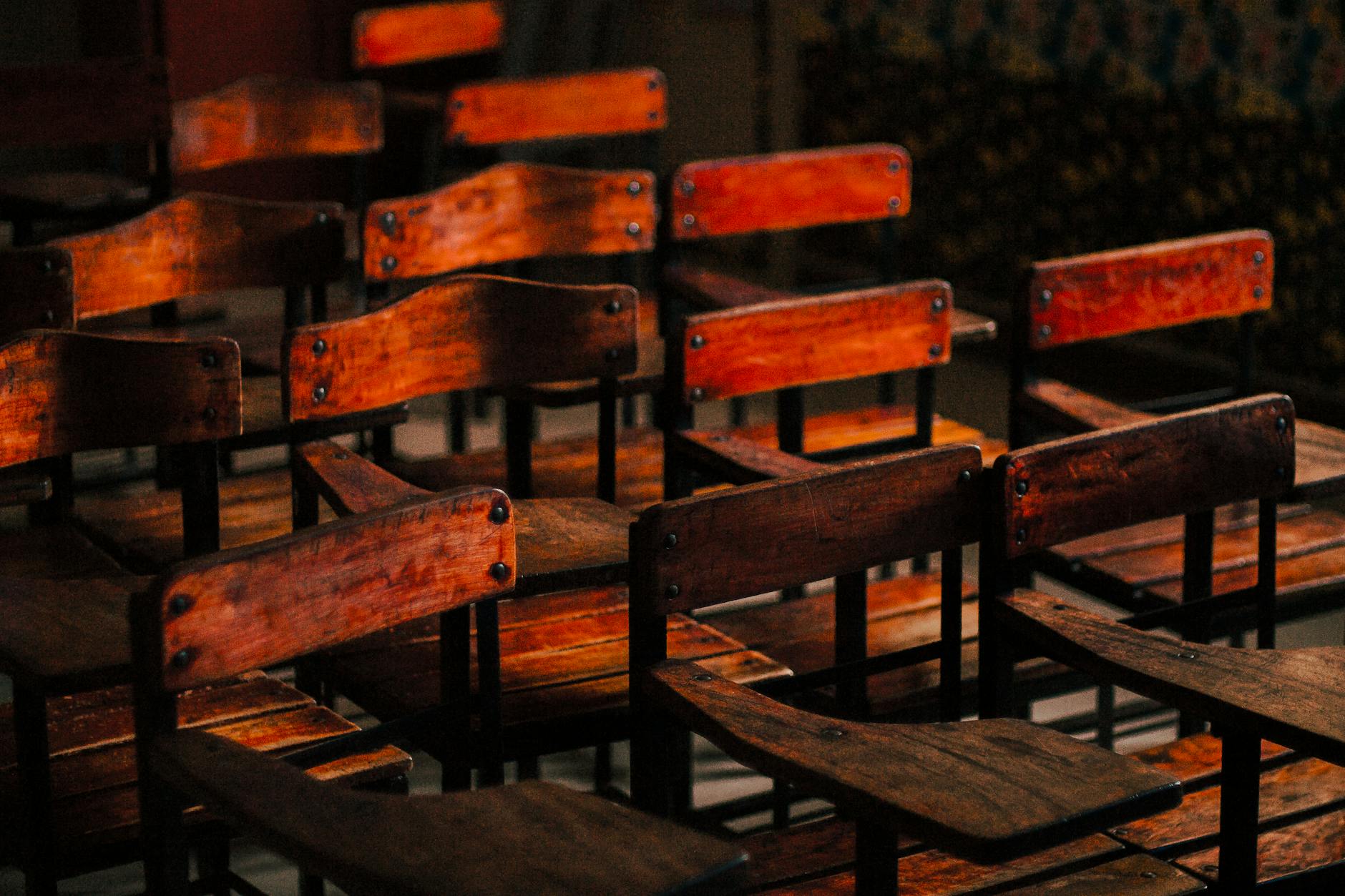
MANILA – The Philippines is facing a growing education crisis as the classroom shortage continues to escalate, with the Second Congressional Commission on Education (EDCOM II) warning that 51,222 classrooms could be condemned by 2028 due to aging facilities.
According to the Commission’s Final Report, Turning Point: A Decade of Necessary Reform (2026-2035), the country currently has a shortage of 165,443 classrooms, a figure compounded by the deteriorating condition of existing school buildings. Of roughly 329,716 school buildings nationwide, around 122,518 have already exceeded their 25-year design lifespan, and thousands more are projected to reach 50 years of age within the next few years.
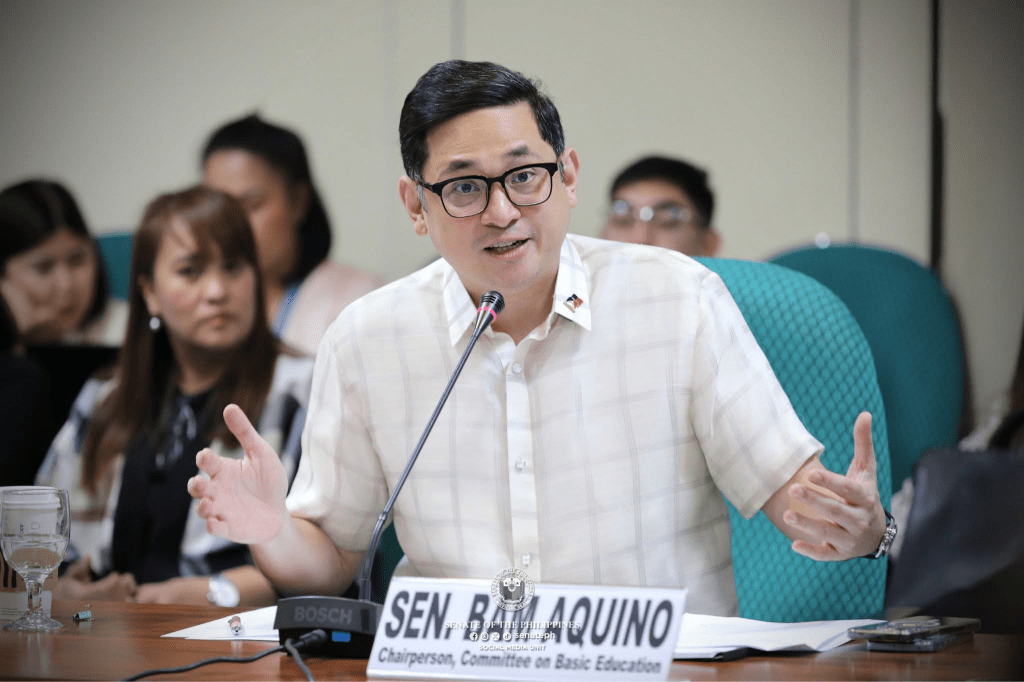
Senator Bam Aquino stressed the human cost of the shortage during a hearing, noting that many students are forced to shift schedules, crowd into classrooms, hold classes in hallways, or share covered courts back-to-back.
“Kailangan po nating magsama-sama para magtayo ng mga silid-aralan para sa estudyanteng Pilipino… na nagsisiksikan sa mga classroom, nagkaklase sa mga pasilyo sa labas ng eskwelahan, o nagshe-share ng mga covered courts,” Aquino said.
The senator also emphasized the long-term nature of the challenge, estimating that addressing the classroom gap will require 6 to 10 years of sustained high funding, and stressed the importance of transparency and efficiency to ensure classrooms are built at the right price, using the right processes, and delivered on time.
To meet the massive demand, the Department of Education (DepEd) is pursuing a diversified approach that goes beyond traditional Department of Public Works and Highways (DPWH) procurement. Strategies include partnerships with Local Government Units (LGUs), Public-Private Partnerships (PPPs), leasing private buildings, purchasing foreclosed properties, expanding voucher programs, and piloting blended learning modalities to decongest schools.
In 2026 alone, DepEd aims to construct 26,000 classrooms, including over 16,000 through the upcoming PPP School Infrastructure Project (PSIP) 3, which will use an “availability payment” model to ensure delivery before payment. The agency also launched Project Bukas, a portal designed to enhance transparency and monitor progress.
EDCOM II’s report, citing a Philippine Institute for Development Studies study, underlines the urgency of implementing a long-term, risk-informed School Infrastructure Plan to prevent a worsening of the crisis as thousands of classrooms face inevitable condemnation due to wear, tear, and natural disasters.
“Mahalaga na makita natin na nagagamit ang pondong ito na nagagawa ang mga classroom sa tamang presyo, sa tamang paraan, at sa tamang panahon,” Aquino said, emphasizing the need for pricing consistency and accountability across all construction modalities.
With these measures, the government hopes to gradually close the classroom gap, improve learning conditions, and prepare the education system for future generations of Filipino students.

 Republika News
Leave a comment