
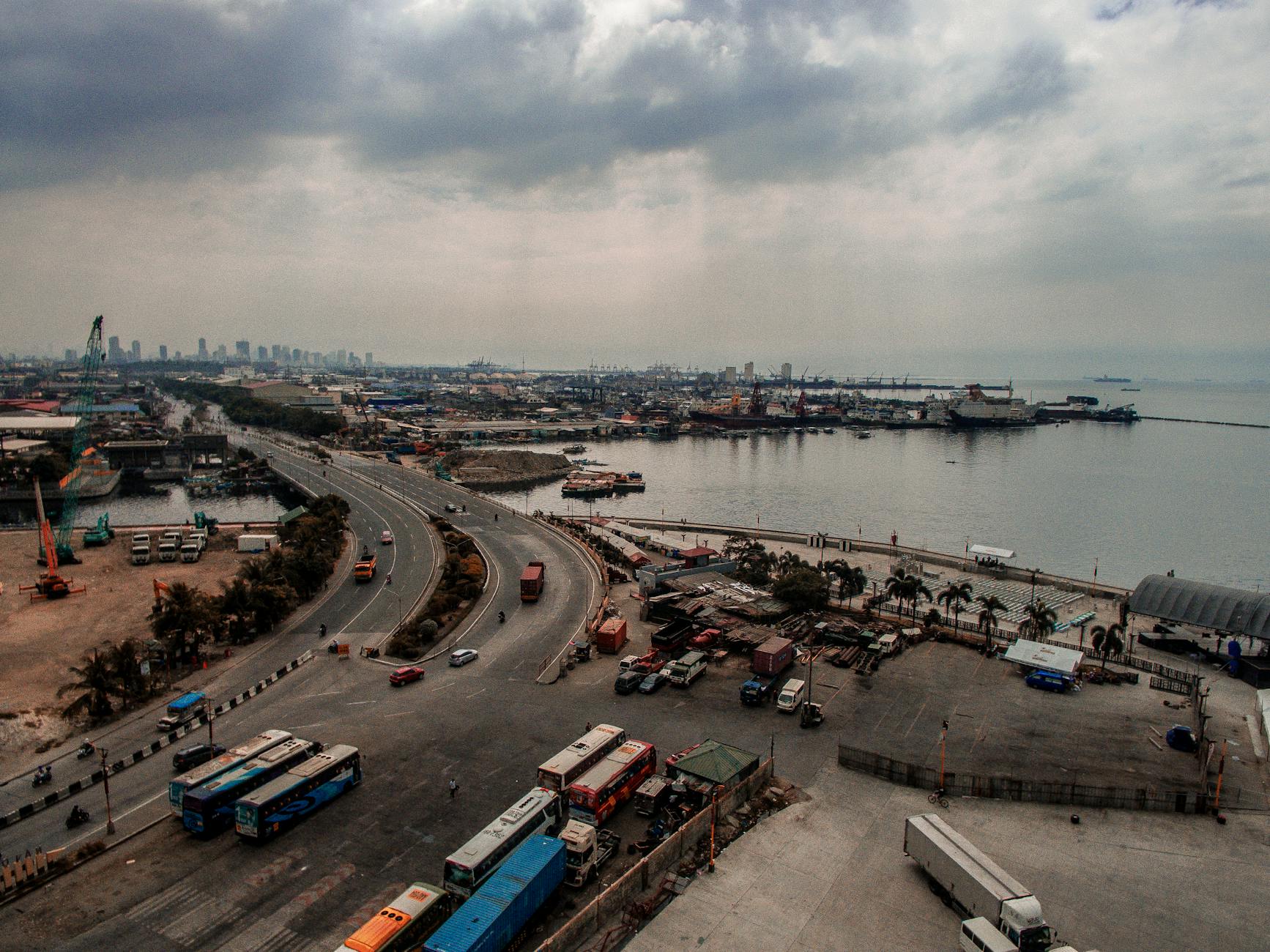
MANILA — The Philippine Ports Authority (PPA) on Thursday dismissed claims of port congestion in Manila, saying cargo operations remain “consistent and free-flowing” despite reports of truck delays.
PPA General Manager Jay Santiago stressed that higher yard utilization does not equal congestion. As of February 12, 2026, yard utilization at Manila South Harbor and Manila International Container Terminal stood at 72.97% and 84.16%, respectively, above the optimum of 70%.
“Firstly, there is no port congestion. Let’s not create a scenario which will create undue concern to the public that there will be a hike in prices resulting from port congestion,” Santiago said.
The statement came after the Philippine Chamber of Customs Brokers Inc. (PCCBI) said its members are facing a severe truck deadlock caused by limited empty container yard capacity. This bottleneck, the group said, delays the return of empty containers and the withdrawal of laden containers from terminals.
Santiago clarified that the issue is primarily between shipping lines and truckers or brokers concerning the handling and return of empty containers. “The main issue is the lack of yard facilities which should be provided by shipping lines for the return of empty containers,” he said.
To address the delays, PCCBI proposed reducing the current 90-day empty container storage allowance to a maximum of 60 days. They also urged strict enforcement of PPA Administrative Order No. 02-2019, which mandates the transfer of cleared import cargoes remaining in ports for more than 30 days to designated areas.
“We believe that strictly enforcing this 30-day dwell time limit will help break the current deadlock, provided the associated transfer costs are not unfairly passed on to customs brokers and importers when the delay is caused by shipping lines’ nominated depots,” PCCBI said.
The PPA emphasized that port charges remain constant and cannot be arbitrarily adjusted, underlining that the reported truck deadlocks do not reflect congestion at the terminals themselves.



 Republika News
Leave a comment