
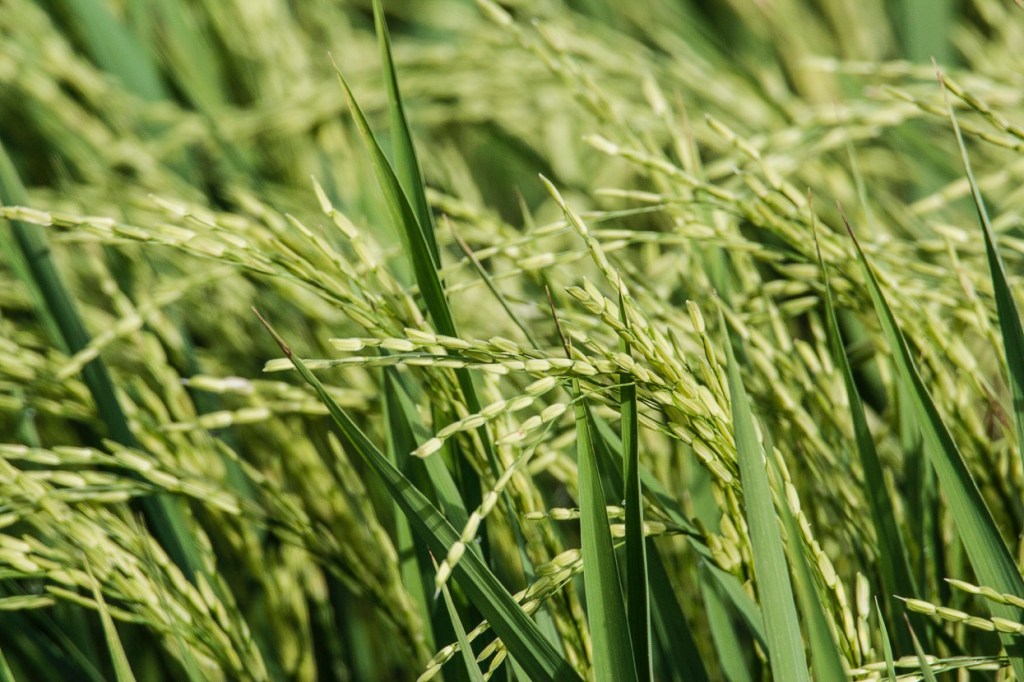
MANILA — Average farmgate prices of palay steadily rose following President Ferdinand Marcos Jr.’s decision to suspend rice importation from September to December 2025, reflecting tighter domestic supply conditions and improved bargaining power for farmers.
Data from the Philippine Statistics Authority (PSA) show that palay prices had remained strong in 2023 and early 2024, peaking above ₱25 per kilo during the 2023–2024 Dry Season. Prices declined in 2025 after rice tariffs were reduced from 35 percent to 15 percent, triggering increased imports and domestic oversupply. Farmgate prices fell to around ₱14 to ₱16 per kilo, hitting a low of ₱15.80 per kilo in September 2025.
According to monitoring by the National Food Authority (NFA), traders’ average buying prices for fresh palay opened September at ₱14.43 per kilo, softened to ₱13.38 by October 10 during peak harvest, and recovered to ₱14.02 by October 30. Prices then accelerated in November through January, reaching ₱18.42 per kilo by January 30—about 28 percent higher than early September levels.
Dry palay prices also improved, rising from ₱17.21 per kilo in early October to ₱21.52 by the end of January 2026, nearly 22 percent higher than September levels.
Agriculture Secretary Francisco P. Tiu Laurel Jr. said the rebound illustrates the effects of excessive rice importation in previous years.
“In 2024, total rice imports surged to 4.8 million metric tons, about 1 million to 1.2 million metric tons more than what the country actually needs,” he said. “Excess importation undermines the profitability of rice farming by depressing palay prices at harvest time and discouraging production.”
Tiu Laurel emphasized that the administration’s goal is calibration, not protectionism, aiming to balance gains across the rice value chain while safeguarding national food security.
NFA Administrator Larry Lacson welcomed the increase, saying it provides relief to producers despite higher procurement costs.
Analysts noted that even a temporary pause in imports can influence trader behavior, tighten competition for domestic stocks, and support farmgate prices. Whether the current upswing marks a long-term market correction or a short-term cyclical adjustment will depend on how future import volumes align with actual domestic demand.



 Republika News
Leave a comment