
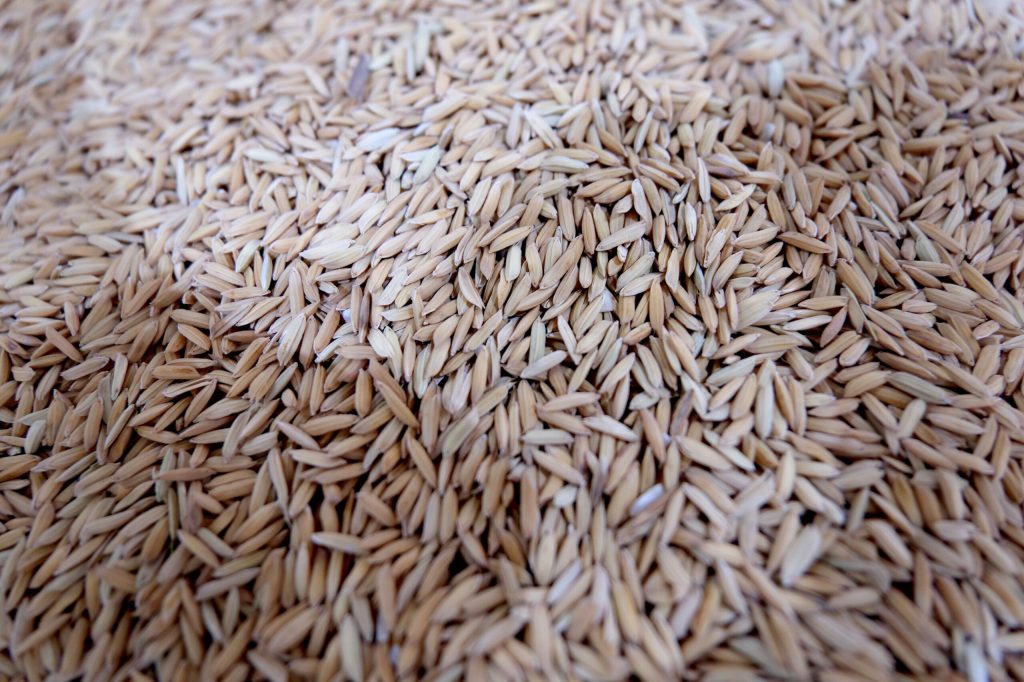
MANILA — The National Food Authority (NFA) has relaxed its palay procurement standards as the dry harvest season approaches its peak, aiming to expand market access for rice farmers and shield them from price drops caused by oversupply.
Earlier this week, the NFA gathered farmers, millers, retailers, and field officials at its central office in Quezon City to review and update its standard operating procedures in preparation for the harvest surge. The consultations resulted in more flexible buying standards shaped by stakeholder feedback.
At the center of the revisions is an expanded moisture content range for dry palay. From the previous 12 to 14 percent benchmark, the NFA will now accept palay with moisture levels ranging from 11 to 14 percent. The agency said the change addresses frequent delivery rejections that stemmed from technical disqualifications under the narrower standard.
The NFA retained its procurement prices at P17 per kilo for fresh or wet palay and P21 per kilo for dry palay. With the broader moisture allowance and a revised pest standard now defined as “visibly free from pests,” the agency expects fewer deliveries to be rejected for minor or non-material defects.
NFA Administrator Larry R. Lacson said the timing of the adjustment was deliberate.
“As harvest peaks, prices tend to soften because of oversupply,” Lacson said. “By widening our specifications now, we can absorb more volume and help farmers avoid distress selling. Every percentage point we adjust in moisture tolerance can mean more bags accepted and more income in farmers’ pockets.”
Farmers have long raised concerns that rigid procurement requirements pushed them toward private traders who offered lower farmgate prices but faster cash transactions. The revised rules are intended to make the NFA a more accessible and competitive buyer while maintaining grain quality and rebuilding buffer stocks.
Agriculture Secretary Francisco Tiu Laurel Jr., who chairs the NFA Council, said the changes align with the government’s broader policy direction under Ferdinand Marcos Jr..
“This is about aligning procurement policy with the realities faced by our farmers,” Tiu Laurel said. “President Ferdinand Marcos Jr. has been clear. We want farmers to be profitable, not perpetually vulnerable to price swings. A food-secure Philippines starts with farmers who earn fairly from their harvest.”
He added that more responsive procurement rules will help strengthen both farmer incomes and national food security by ensuring steady palay inflows into government buffer stocks.
With peak harvest weeks nearing, the NFA said its recalibrated buying standards are designed to reduce rejected deliveries, sustain demand from the government, and provide farmers with a more stable income stream during a traditionally volatile period.




 Republika News
Leave a comment