
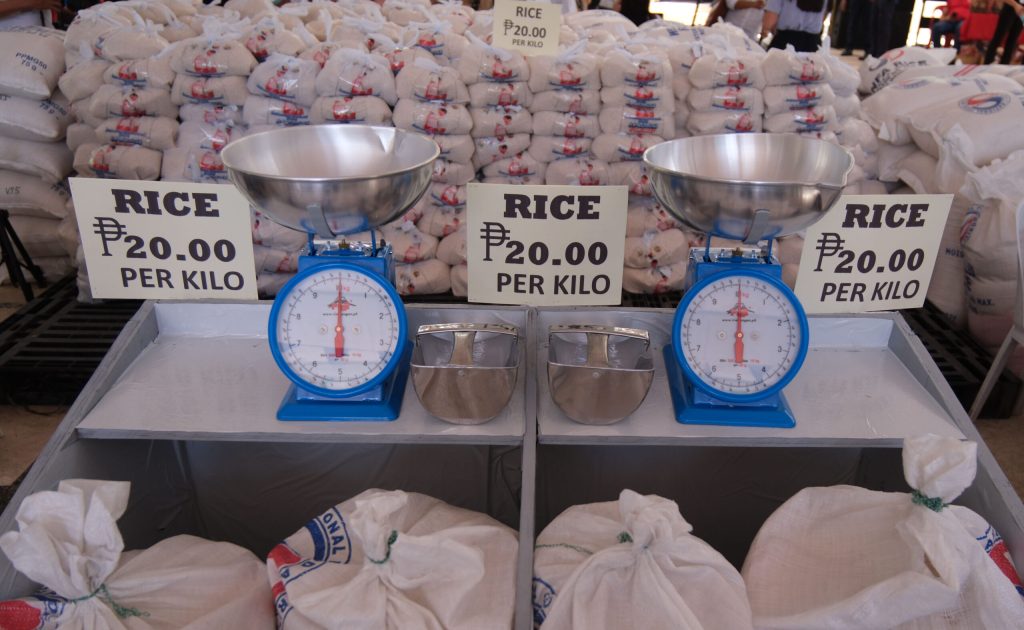
MANILA — The Department of Agriculture (DA) and state-run Food Terminal Inc. (FTI) on Friday appealed to Filipinos not to abuse the government’s subsidized rice initiative, saying large crowds at distribution sites have created the impression of a supply shortage.
Officials said the government’s flagship “Benteng Bigas, Meron Na!” program—commonly known as the P20-per-kilo rice initiative—still has adequate supply despite reports of long queues in some areas.
Agriculture Secretary Francisco P. Tiu Laurel Jr. assured beneficiaries that rice inventories remain sufficient, noting that the National Food Authority (NFA) continues to mill palay to replenish stocks distributed through government-run KADIWA Program outlets and other sites managed by local government units.
“We understand that the conflict in the Middle East is stoking anxiety among many Filipinos, especially those in vulnerable sectors,” Tiu Laurel said. “But acting out of panic will only worsen the situation. We have enough rice buffer, and a good harvest.”
The DA issued the statement following reports that some groups were allegedly attempting to overwhelm distribution points, raising speculation that supplies were running low.
FTI President Joseph Lo said surges in crowds—particularly outside the DA headquarters in Quezon City—have resulted in longer lines and increased concern among beneficiaries even though rice stocks remain available.
“The long lines create an illusion of shortage,” Lo said, adding that distribution hours have been extended by several hours to serve more buyers.
However, he acknowledged that logistical constraints and storage limitations affect the number of consumers that can be accommodated each day.
“P20 rice supply is limited by location and logistics. Stocks are delivered regularly and distributed fairly across our sites nationwide,” Lo said. “We understand the public’s urgent need and we are doing everything possible to serve as many beneficiaries as we can each day.”
Distribution continues daily, with registered beneficiaries able to access subsidized rice through the program’s registry system.
“Beneficiaries do not need to panic or rush,” Lo said. “Rice will be available as long as they are registered in the Benteng Bigas Registry System. Registered individuals are guaranteed eligibility to purchase rice.”
Under the guidelines, each beneficiary may buy up to 10 kilograms of rice per day but must stay within their monthly allocation.
The program prioritizes sectors including senior citizens, persons with disabilities, indigent families, solo parents, farmers, fishers, minimum wage earners and public transport workers.
Lo called on the public to practice responsible purchasing.
“We encourage responsible purchasing. Buy only what your family needs for daily consumption so others can also benefit,” he said. “Our goal is to make distribution safer, more orderly and equitable for everyone.”

 Republika News
Leave a comment