
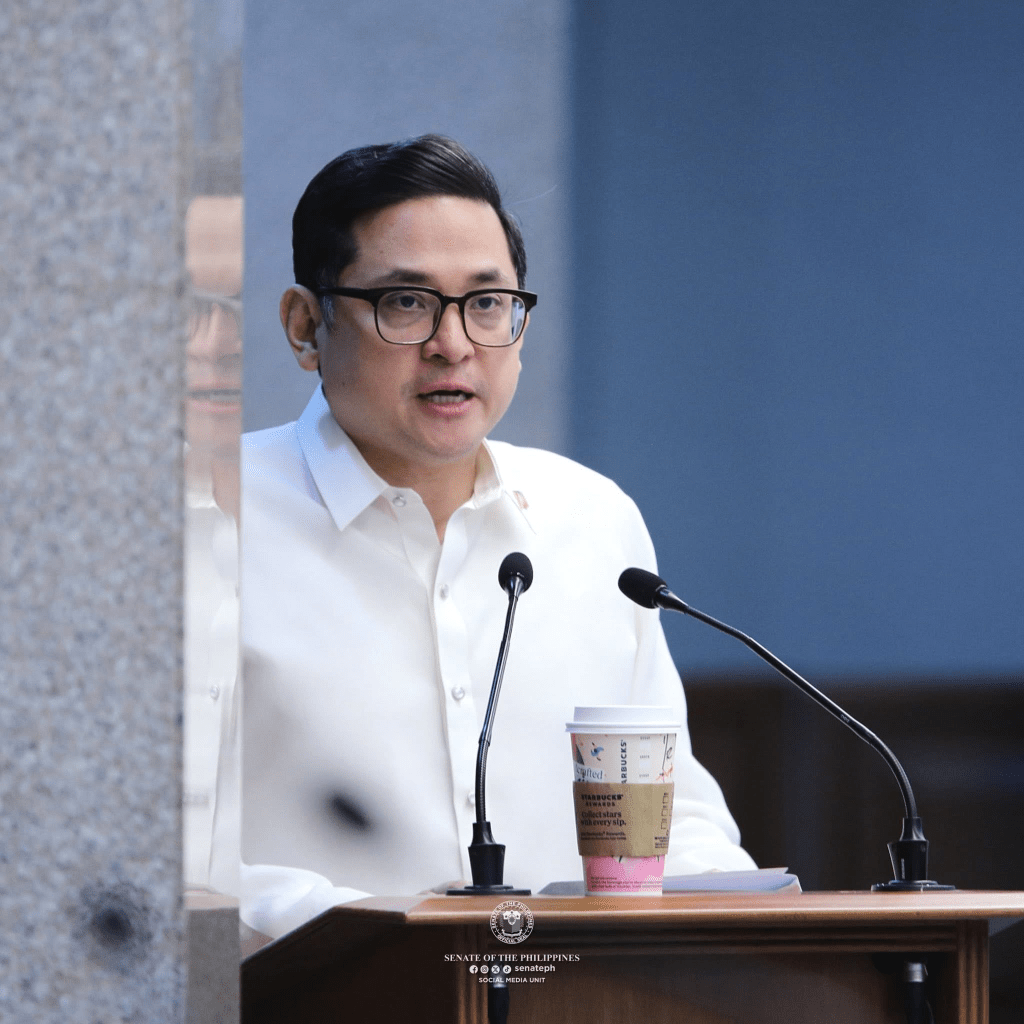
MANILA — Senator Bam Aquino called on the Department of Education (DepEd) to immediately release funds allocated for classroom construction to local government units (LGUs), warning that delays could mirror the poor performance of the Department of Public Works and Highways (DPWH) in delivering school facilities.
In a television interview, Aquino raised concern over the slow transfer of the P65-billion budget for classroom construction under the 2026 national budget, saying this may delay project implementation on the ground.
The senator cited findings from a flood control investigation, where he learned that the DPWH managed to complete only 99 classrooms in 2025, significantly below its target of 1,700 units.
Aquino emphasized that any delay in downloading funds to LGUs could disrupt construction timelines, particularly if projects begin during the rainy season.
“To be honest, medyo nababagalan ako ng konti. I was hoping by the end of March, naka-download na yung pera so that the LGUs can start building during the summertime,” said Aquino, chairperson of the Senate Committee on Basic Education.
“Kung male-late iyong pag-download ng pera at mag-build sila kapag umuulan na, mas magiging mabagal iyong progreso nila,” he added.
Despite the delays, Aquino expressed hope that DepEd would release the funds soon to allow LGUs to begin construction promptly and help address the country’s estimated 166,000-classroom shortage.
He also noted that efforts to speed up classroom construction could be supported by the proposed Classroom-Building Acceleration Program (CAP) Act, which was approved by the Senate on third and final reading with a 22-0 vote.
The proposed measure seeks to authorize LGUs and qualified non-government organizations to undertake classroom construction within their areas, subject to DepEd standards.
Aquino underscored that the bill would ensure consistent annual funding for classroom projects, which he said is crucial in gradually reducing the backlog.
He added that LGUs are capable of completing classrooms in about 200 days, significantly faster than the two- to three-year timeline typically seen under DPWH.
“Iyong tamang paraan is that we allow LGUs to build at the same time. Hindi siya naka-focus sa isang agency lang,” Aquino said, noting that parallel efforts among LGUs could accelerate the delivery of classrooms nationwide.


 Republika News
Leave a comment